












Beetroot has become a popular topic in endurance training, especially among runners, cyclists, and people who spend a lot of time doing long, steady workouts. The interest comes from how it might influence stamina and how the body handles oxygen during extended exercise sessions. Some athletes use it before training because they feel it helps them stay consistent for longer, while others are still unsure if the effect is real or just part of fitness trends.
What keeps the discussion going is that beetroot is simple, natural, and easy to include in everyday nutrition, which makes it attractive for people looking for small performance improvements without complicated supplements. In this article, you will learn how beetroot may affect endurance, what research actually shows in plain terms, how athletes use it in real training, and how it compares with other common performance boosters.
What Beetroot Does for Endurance Performance
Beetroot is mostly talked about in endurance sports because of how it influences the way the body uses oxygen during steady exercise. When you are doing long workouts, your performance is less about short bursts of energy and more about how efficiently your muscles keep getting oxygen over time. Beetroot seems to play a small role in that process.
It does not feel like a stimulant, so there is no sudden boost or energy rush. Instead, it works more quietly in the background by supporting how efficiently the body performs during sustained effort. Many athletes describe it as something that helps them maintain pace a little more comfortably rather than pushing them into a higher gear.
That is why it is more common in endurance-based activities like long-distance running, cycling, and triathlon training, where the goal is to hold effort for longer rather than explode with short power.
What Research Actually Shows About Beetroot and Endurance
Research on beetroot is where things become more interesting, because the effects are real but not exaggerated. According to a study published in the Journal of Applied Physiology, beetroot juice was shown to reduce oxygen cost during moderate exercise by about 3 to 5 percent. That means the body needed slightly less oxygen to perform the same workload, which can matter during long training sessions where efficiency builds up over time.
In another review, as stated by the National Institutes of Health, dietary nitrate from beetroot improved time to exhaustion by around 15 to 25 percent in certain controlled endurance tests. That result depends heavily on the setup, but it shows that under specific conditions, people were able to sustain exercise for longer than usual.
In cycling-focused research, as reported by the Journal of Applied Physiology and published on PubMed, performance in time trials improved by roughly 1 to 3 percent after beetroot intake. Even though that number sounds small, in endurance sports where athletes are closely matched, it can actually influence outcomes.
There is also broader support from a review published in Nutrients, which explains that dietary nitrates improve efficiency during aerobic exercise. On top of that, the International Society of Sports Nutrition, in its official confirms that nitrate supplementation shows the most consistent benefits in endurance and moderate-intensity exercise rather than explosive strength work.
When you put all of this together, the pattern is not about dramatic performance boosts. It is more about small improvements in efficiency that become noticeable during longer efforts.
Why Athletes Actually Use Beetroot
Most athletes do not expect beetroot to change everything. They use it because endurance training is built on consistency, pacing, and being able to hold effort over long periods. Even a small improvement in efficiency can make training feel more manageable.
It is especially common in running and cycling because those sports depend heavily on steady oxygen delivery. In long sessions, fatigue builds gradually, so anything that slightly delays that feeling can be useful.
Athletes also tend to use it during structured training blocks rather than randomly. It fits better when preparing for long-distance events or heavy endurance phases where the focus is on sustaining effort over time.
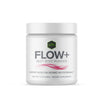
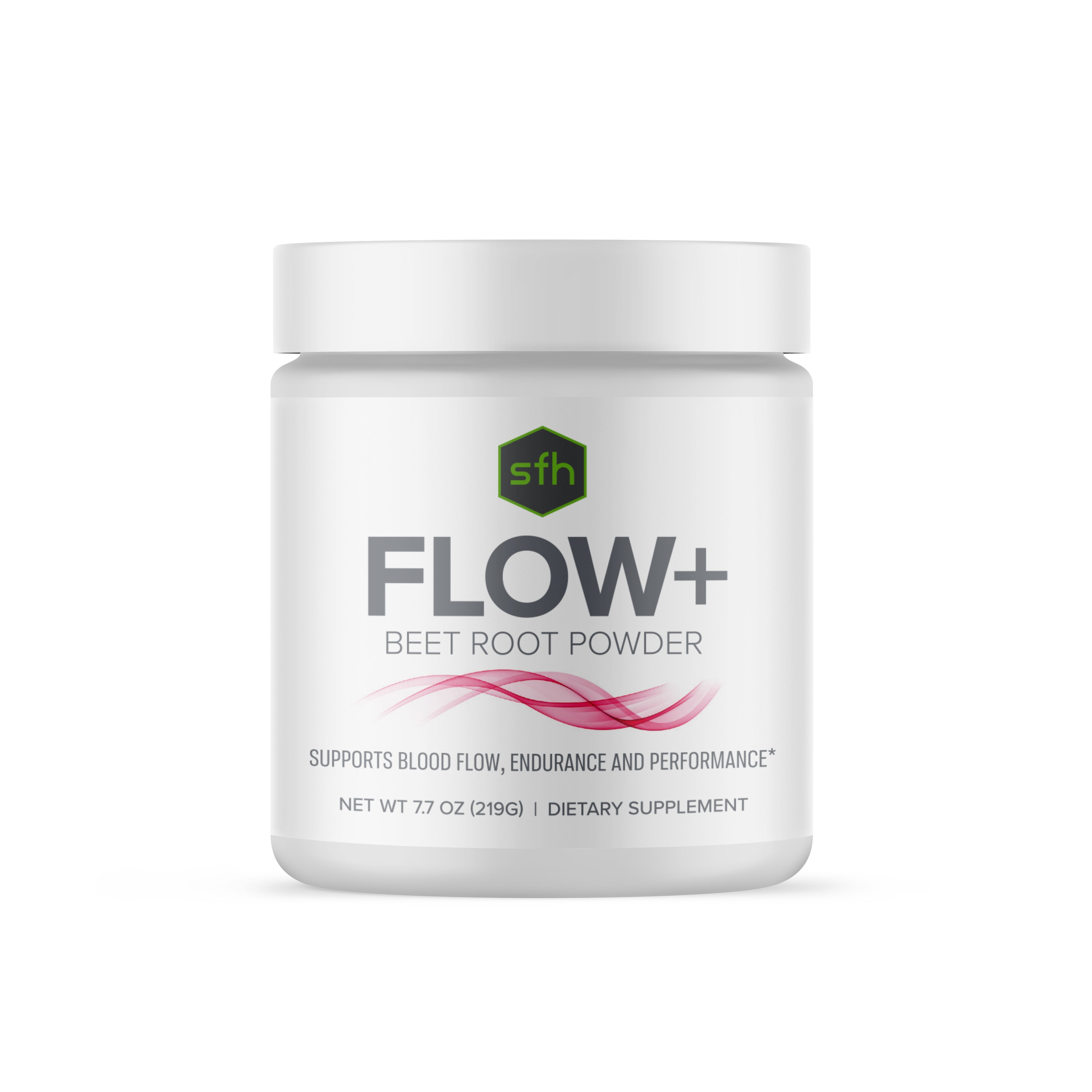
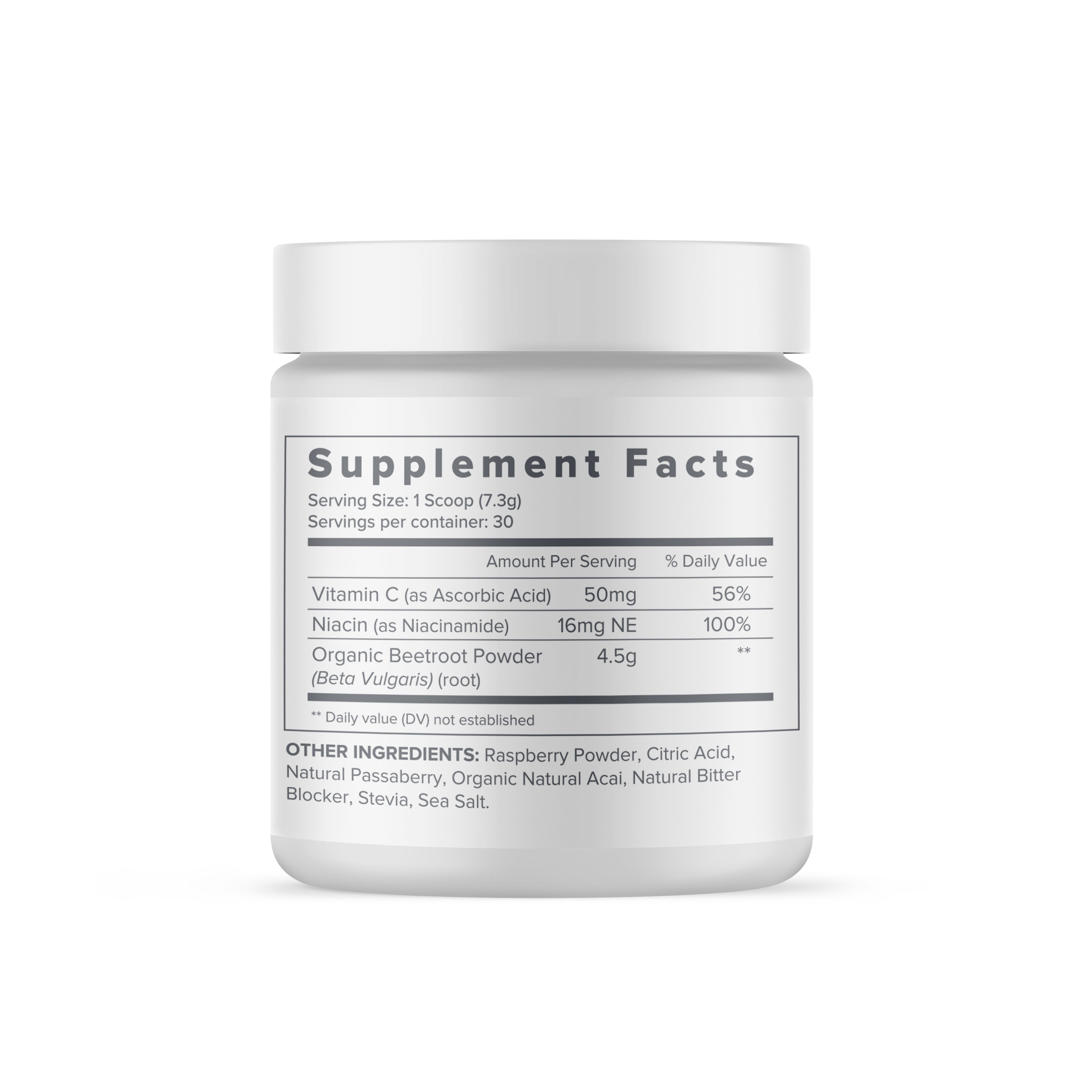
This is where a beetroot powder like SFH FLOW+ can make sense. Instead of preparing fresh beetroot every time, athletes can mix it into a drink, smoothie, or pre-training routine in a way that feels easier to repeat. It does not replace training, pacing, sleep, hydration, or recovery. It simply gives beetroot a more practical place in the routine.
What People Notice During Training
Most people do not describe beetroot as something dramatic. Instead, they say workouts feel a bit smoother at the same pace, especially during longer sessions where fatigue normally builds up.
Some notice they can hold a steady rhythm for longer before needing to slow down. Others say the same pace feels slightly easier, even if they are still working hard.
There is also a mental side to it. When long efforts feel slightly more controlled, it can improve confidence during endurance training, especially when preparing for races or long events. These effects are not extreme, but in endurance training, small differences can add up over time.
How Athletes Use Beetroot in Real Training
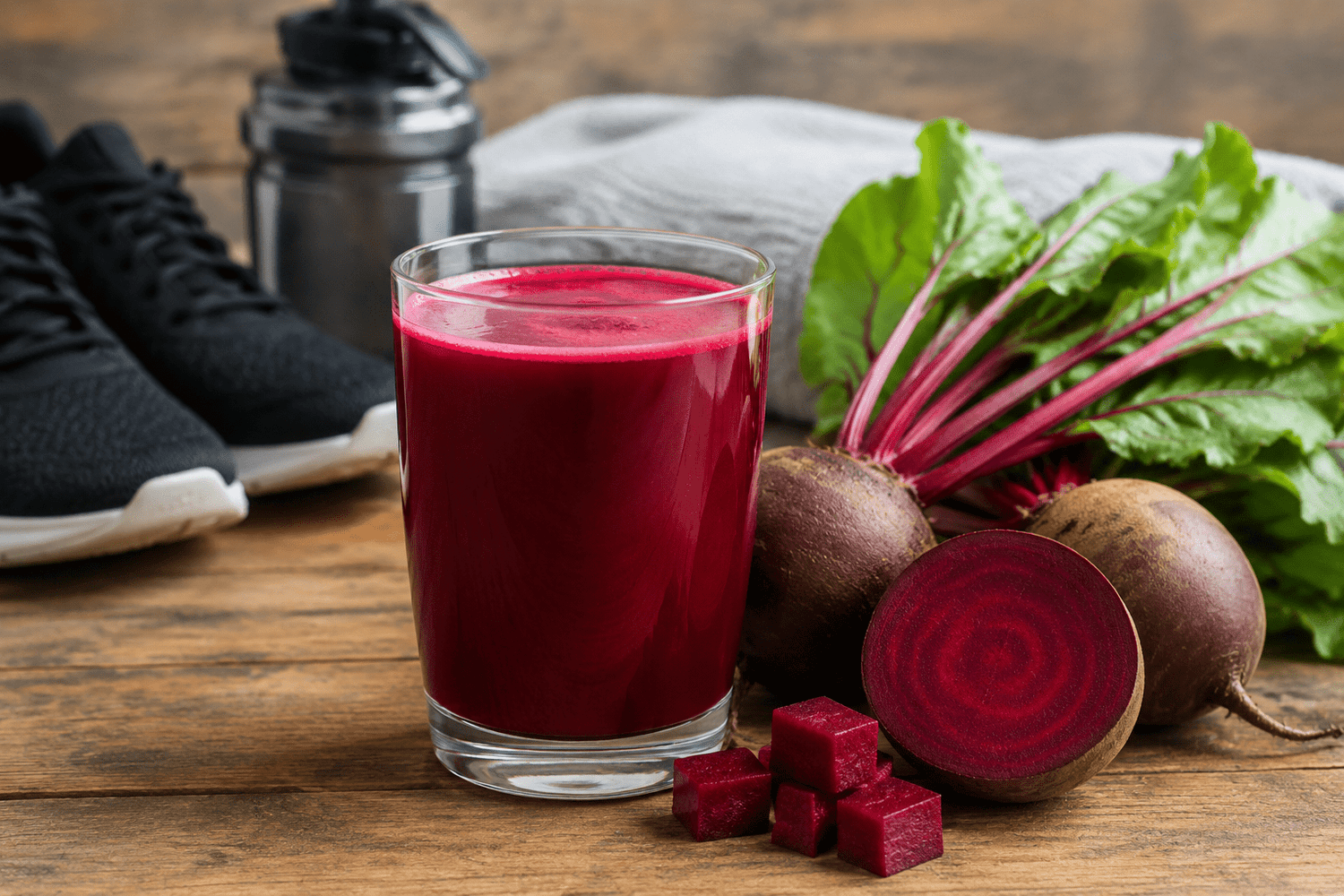
Most athletes keep it simple. Beetroot is usually taken in juice form before workouts because it is easy to measure and fits well into timing routines. Powder form is used for convenience, while whole beetroot is more common in everyday meals rather than performance timing.
Timing is important. It is usually taken a few hours before exercise so the body has enough time to process it before training starts. It is not something that works instantly like caffeine. In research settings, the typical intake range linked with performance benefits is around 300 to 600 milligrams of dietary nitrate. That range is commonly used in endurance studies to test performance outcomes.
Beetroot Compared to Other Performance Options
Beetroot is often compared to caffeine, but they do completely different things. Caffeine mainly affects alertness and perception of effort, while beetroot works more on physical efficiency during exercise.
Creatine is another comparison, but it is mainly used for short bursts of power and strength training rather than long endurance activity. Because of that, beetroot sits in a completely different category.
Most athletes do not replace other supplements with beetroot. Instead, they use it alongside other strategies depending on the type of training they are doing.
Where Beetroot Fits in Endurance Training
In real training environments, beetroot is not considered essential, but it is often included during endurance-focused phases.
Runners may use it during marathon preparation, cyclists during long ride blocks, and triathletes during high-volume training periods where oxygen demand stays high for long durations.
It fits best in situations where the goal is steady performance rather than short bursts of speed. That is why it continues to be used in sports nutrition even without being a core requirement.
Final Answer
Beetroot can support endurance performance, but the effect is subtle rather than dramatic. It does not suddenly change how strong or fast you are, and it is not a substitute for training or proper nutrition. Still, it may help the body use oxygen a little more efficiently during longer exercise sessions. That small difference can matter in endurance sports where performance depends on pacing and consistency. Many athletes use beetroot before long runs, cycling sessions, or training blocks where sustaining effort is more important than short bursts of power. SFH FLOW+ Beet Root Powder offers a practical way to include beetroot without preparing it fresh every time. It works best as part of a wider performance routine, not as the main performance booster.
FAQ
Does beetroot really improve endurance performance?
Yes, research shows it can improve oxygen efficiency and exercise performance in certain conditions. The effect is usually small but measurable in controlled studies.
How long before exercise should beet juice be taken?
It is usually taken about 2 to 3 hours before exercise so the body has enough time to process it. This timing helps the effects align with the workout.
Is beetroot better than caffeine for endurance?
Not really, they work differently. Caffeine affects alertness and mental effort, while beetroot focuses on physical efficiency during exercise.
How quickly does beetroot start working?
It typically takes a few hours before the effects become noticeable. The timing depends on the form and amount consumed.
Can beginners use beetroot for workouts?
Yes, beginners can use it safely as part of their nutrition routine. It is commonly used by both new and experienced athletes.
Disclaimer: These statements have not been evaluated by the Food and Drug Administration. Products are not intended to diagnose, treat, cure, or prevent any disease.



Leave a comment
This site is protected by hCaptcha and the hCaptcha Privacy Policy and Terms of Service apply.