

Plant protein can be part of a weight loss diet, but it is not a fat-burning ingredient. Its value comes from helping you meet protein needs, supporting fullness, and helping maintain lean tissue while you manage calorie intake. Plant protein powder can make it easier to add protein when meals are busy or when you prefer vegan or dairy-free nutrition.
The key distinction is that protein can support weight management, while an overall calorie deficit drives weight loss. Research supports higher protein intake for body weight and appetite, while research specifically on extracted plant proteins is more limited. This guide explains how plant protein fits into weight loss and how to choose a useful powder.
The Role Protein Plays in Weight Loss
Protein matters during weight loss because your body needs it to maintain and repair tissues, including muscle for most people. It can also make meals more satisfying, which may make a calorie-controlled eating pattern easier to follow.
A 2021 systematic review and meta-analysis published in Nutrition Reviews examined 37 randomized controlled trials and found that higher protein intake was associated with a moderate reduction in body weight compared with control diets. The estimated difference was about 1.6 kilograms.
That finding does not mean adding protein automatically causes weight loss. The studies used different diets and protein levels, and individual results varied. Still, evidence supports protein as a useful part of weight management.
For plant protein, the same principle applies. Whether protein comes from beans, tofu, peas, seeds, or a protein powder, it contributes to total daily intake. What matters is how it fits into the rest of your diet.
Why Protein Can Make Dieting Easier
One reason protein is useful during weight loss is its relationship with appetite. When a diet leaves you hungry throughout the day, maintaining a calorie deficit can become difficult. A satisfying source of protein may make that process more manageable.
A 2020 systematic review and meta-analysis included 49 publications examining acute effects and 19 examining longer-term effects. Researchers found that acute protein intake reduced hunger and increased fullness and satiety, although the long-term evidence was inconclusive.
That distinction matters. It would be too strong to say one protein shake will control appetite all day or guarantee weight loss. Instead, protein can contribute to meals and snacks that feel more satisfying.
This is why replacing a lower-protein snack with a balanced, protein-rich option can sometimes be more useful than simply adding a shake to everything you already eat. The goal is to make protein part of the overall eating pattern, not to keep increasing calories without purpose.
Can Plant Protein Help You Stay Full?
Plant protein can contribute to fullness, but it should not be described as uniquely superior to every animal protein.
A systematic review of extracted plant proteins examined 26 human intervention studies involving sources including pea, lupin, fava bean, rice, hemp, and lentil protein. Satiety and post-meal blood glucose were among the most frequently studied outcomes. The researchers concluded that evidence was not yet sufficient for specific dietary recommendations, and plant protein effects were generally comparable, rather than superior, to animal protein.
That is useful for anyone searching for plant protein for weight loss. Plant protein can support a high protein eating pattern, but its plant origin does not create a special fat loss effect.
Fullness also depends on the meal around the protein. A shake may feel different from a meal combining protein with fibre-rich vegetables, whole grains, fruit, and other foods.
Plant Protein and Lean Mass During Weight Loss
Losing weight and losing body tissue are not exactly the same thing. When calories are reduced, the goal is generally to reduce excess body fat while supporting lean mass.
Protein provides amino acids needed for maintaining and repairing muscle. Cleveland Clinic notes that protein can help preserve lean body mass during weight loss and that individual protein needs vary with factors such as age, lean muscle, health, and activity level.
Plant protein can contribute to this goal. However, protein is only one part of the equation. Resistance training, adequate energy intake, sleep, and overall diet quality also influence how well lean mass is maintained.
Is Pea Protein Useful for Weight Loss?
Pea protein is one of the more researched extracted plant proteins in human studies. In the systematic review mentioned earlier, pea protein appeared in 16 of the 26 included studies, more often than any other plant protein source examined.
That makes pea protein relevant when people search for pea protein for weight loss or pea protein powder for weight loss. Still, the evidence does not show that pea protein burns body fat directly.
Its practical role is to provide protein in a convenient form. If a pea protein powder helps you meet protein needs while keeping overall calorie intake appropriate, it can fit comfortably into a weight loss diet. The rest of the formula matters too, so check calories, protein, added sugars, fats, and other ingredients.
Plant Protein Powder and Calorie Control
Plant protein powder can be useful when food preparation is difficult, meals are low in protein, or you need a convenient option.
Cleveland Clinic describes protein powder as a convenient way to increase protein intake, while also noting that protein shakes generally do not provide the same range of nutrients as whole foods.
That balance matters. A protein shake can support your diet, but it does not need to replace vegetables, fruit, legumes, whole grains, nuts, seeds, or other nutritious foods.
Calories still matter. A large smoothie containing protein powder, nut butter, oils, and other calorie-dense ingredients can become much more substantial than expected. A useful protein powder for weight loss is one that helps you meet protein needs while fitting your overall calorie target.
What to Look for in Plant Protein Powder
If you are shopping for the best plant protein powder for weight loss, start with the nutrition facts rather than marketing claims.
Check protein per serving, then compare calories, carbohydrates, fat, fiber, and added sugar. Serving sizes can differ, so compare products on the same basis.
Next, read the ingredient list. If you want a vegan protein powder for weight loss, verify that it meets your dietary requirements. If you avoid dairy, make sure there are no milk-based ingredients.
Sweetener choice may matter as well. Some people prefer naturally sweetened protein powder, while others choose unsweetened products. Find a formula that gives useful protein, fits your calorie needs, and is enjoyable enough to use consistently.
Whole Plant Foods Still Matter
Protein powder is convenient, but whole plant foods bring much more to the table.
Beans, lentils, chickpeas, tofu, tempeh, peas, nuts, seeds, and whole grains can provide protein alongside fiber, vitamins, minerals, and other compounds. These foods can form the foundation of a plant-based diet while protein powder fills specific gaps when convenience or protein targets make it useful.
Evidence about plant-based diets should not automatically be applied to isolated plant protein powder. A whole dietary pattern includes many foods and nutrients that a protein supplement does not reproduce.
Meals built around minimally processed foods can provide volume and variety. A shake can be convenient, but it should complement a nutritious eating pattern.
How Plant Protein Fits Into a Calorie Deficit
A calorie deficit means your body receives less energy than it uses over time. Plant protein can fit into that approach when it helps you meet protein needs without making total calorie intake unnecessarily high.
Someone might use a protein shake after a workout, as a breakfast component, or as an afternoon snack when a meal is not practical. The best timing depends on the person's schedule and overall diet.
The key is not to treat protein powder as a weight loss shortcut. Use it where it solves a real nutritional or practical problem. Adding protein powder to an already adequate diet simply because more protein sounds better can add unnecessary calories.
Common Mistakes With Protein Powder for Weight Loss
One common mistake is assuming that a protein powder labelled 'plant-based' or 'vegan' is automatically suitable for weight loss. Plant-based does not mean calorie-free. Another is focusing on protein grams while ignoring serving size and total calories. A product can provide plenty of protein while adding substantial energy. Finally, avoid relying on shakes so heavily that whole foods disappear from the diet.
Where Plant Protein Fits Into a Sustainable Diet
Plant protein works best when it has a clear role in the bigger picture. For some people, that means using protein powder after exercise or during a busy day. Someone following a vegan or dairy-free diet may find it useful when whole food protein options are not convenient.
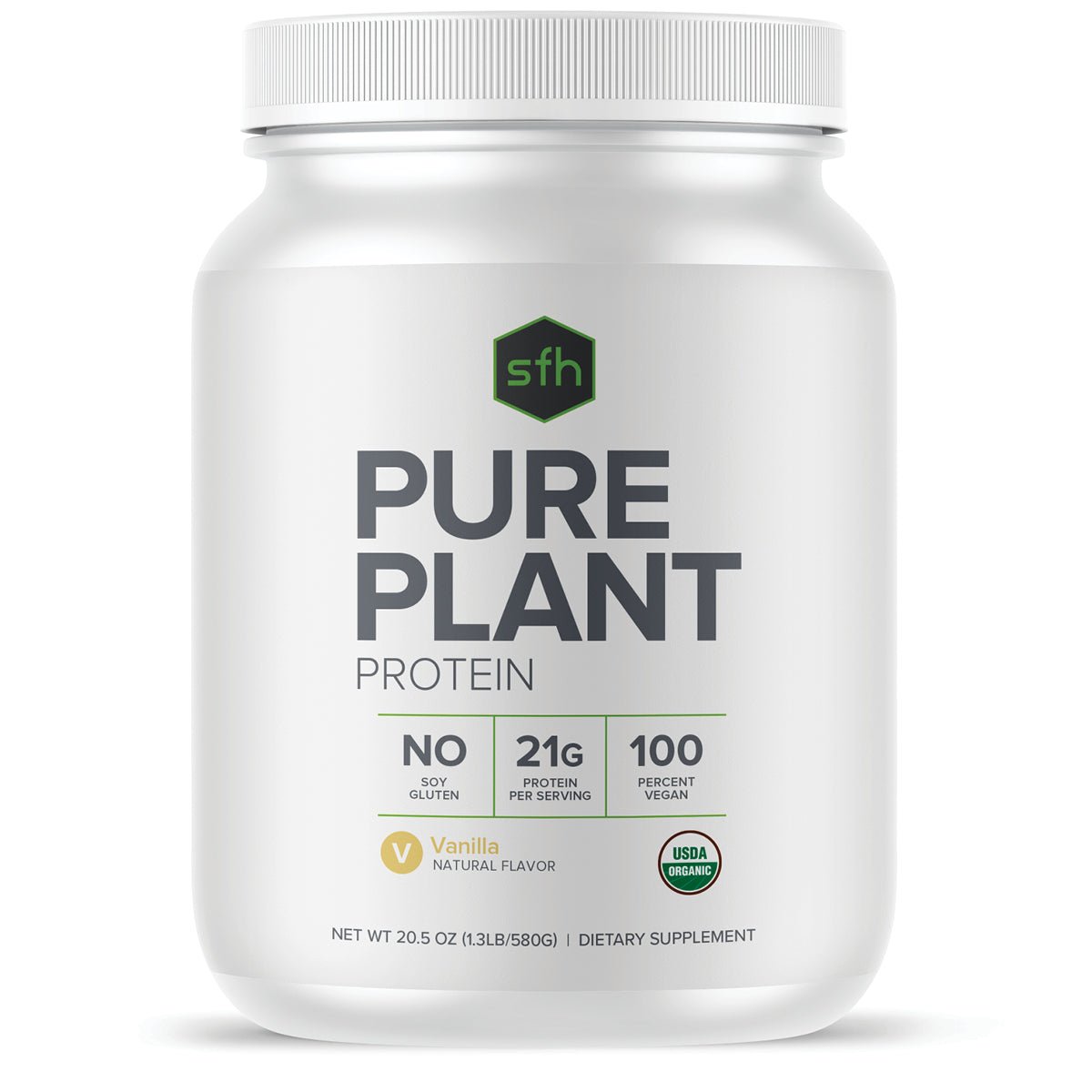
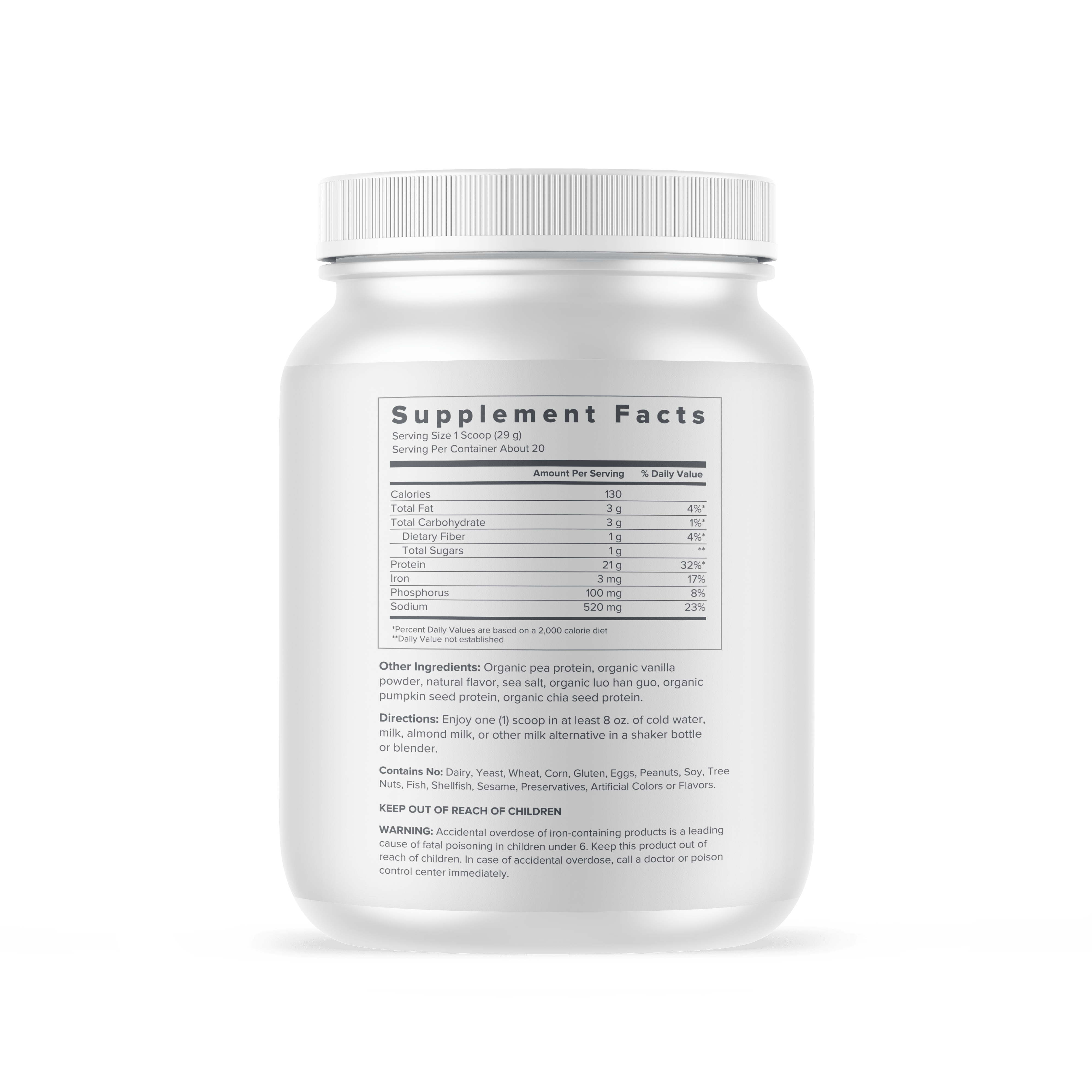
This is also where SFH Pure Plant can make sense. Its plant protein blend provides a convenient source of protein for people who want an organic, dairy-free option, while its organic monk fruit provides sweetness without making added sugar the focus.
The important point is that the powder supports the diet. It does not replace calorie awareness, food quality, activity, and consistency that determine the broader outcome.
Frequently Asked Questions About Plant Protein and Weight Loss
Is plant protein good for weight loss?
Plant protein can be useful because it helps provide protein within a calorie-controlled eating pattern. It does not directly burn fat.
Does plant protein help reduce appetite?
Protein can increase fullness and reduce hunger. Evidence on extracted plant proteins suggests effects can be comparable with animal protein.
Is pea protein good for weight loss?
Pea protein can be a convenient protein source for a weight loss diet. Its value depends on protein content and calorie intake.
Does protein powder make you gain weight?
Protein powder contains calories. It can contribute to weight gain if it adds more energy than your body needs, but it can also fit a calorie-controlled diet.
Can you lose weight with plant protein without working out?
Yes, weight loss can occur without structured exercise when energy intake is below energy expenditure over time. Exercise can provide additional health and muscle-preserving benefits.
Can Plant Protein Help With Weight Loss?
Yes, plant protein can be part of an effective weight loss diet, but it should be viewed as a nutritional tool rather than a fat-burning ingredient. Its main advantages are practical: it can help you meet protein needs, contribute to fullness, and support lean tissue while you manage calorie intake. Research supports higher protein intake as part of weight management, while studies specifically examining extracted plant proteins suggest their effects can be comparable with animal protein. The key factor is whether it provides useful protein and fits your overall diet. Choose an appropriate calorie level, read the ingredient list, and keep whole plant foods at the center of your eating pattern. Used thoughtfully, plant protein powder can make weight loss easier to follow without becoming the focus.


Leave a comment
This site is protected by hCaptcha and the hCaptcha Privacy Policy and Terms of Service apply.