
Starting creatine should be straightforward, yet the advice can feel surprisingly contradictory. One guide tells you to take 20 grams daily for a week. Another recommends just five grams every day, without any special first step. Both approaches appear in legitimate sports nutrition research, which leaves beginners wondering whether skipping a creatine loading phase means missing better results. The practical difference is mainly speed. Loading raises muscle creatine stores sooner, while smaller daily doses build those stores more gradually.
Neither approach replaces consistent training, and faster saturation does not automatically translate into greater long-term muscle growth. Your schedule, tolerance, and goals can help determine which method feels sensible. This guide compares creatine loading vs no loading, explains what happens inside your muscles, reviews research on strength and body composition, and shows how to choose a routine without complicating an otherwise simple supplement habit for your everyday fitness goals and ambitions.
What Happens Inside Your Muscles When You Start Taking Creatine?
Creatine is a compound your body produces naturally and obtains from foods such as meat and fish. Much of it is stored in skeletal muscle, where some becomes phosphocreatine. This stored form helps regenerate adenosine triphosphate, or ATP, the immediate energy currency your muscles use during demanding activity.
Imagine a series of short sprints or heavy sets of squats. Your muscles need to replenish ATP quickly between intense efforts. Higher muscle creatine stores can support that rapid energy recycling, which may help you maintain performance across repeated bouts. Creatine is not a stimulant, however. Taking a scoop does not instantly create a noticeable rush of energy like caffeine might.
Supplementation works by gradually increasing the creatine available in muscle. The speed depends partly on how much you take, your starting stores, muscle mass, diet, and individual response. People who eat little animal protein may begin with different stores from those who regularly eat meat or fish.
This is where loading enters the conversation. A higher initial dose raises tissue concentrations relatively quickly. A smaller dose taken consistently also accumulates, just over more days. Once stores are elevated, a maintenance intake can help sustain them.
Muscle saturation is therefore a genuinely useful concept, but it is not something you can confirm from how pumped your arms feel after a workout. Performance changes and bodyweight fluctuations are imperfect indicators. The larger goal is to support training over time, not to chase an immediate sensation after taking powder. That helps you evaluate progress without expecting dramatic changes from each scoop.
Creatine Loading vs No Loading: What Actually Changes?
The traditional creatine loading phase involves taking approximately 20 grams daily for five to seven days, commonly split into four servings of five grams. Afterward, the dose usually drops to three to five grams each day for maintenance. Some protocols calculate loading from body weight instead, using about 0.3 grams per kilogram daily.
Without loading, you simply begin at around three to five grams per day and continue consistently. Muscle stores increase more slowly, often approaching comparable levels after roughly three to four weeks. The key advantage is convenience: fewer daily servings and less powder during the first week.
According to a 1996 study involving 31 men found that 20 grams daily for six days increased muscle total creatine by approximately 20%. Taking three grams daily for 28 days produced a similar increase, only more gradually. The study measured creatine accumulation, not proof that every athlete will achieve identical strength gains from both schedules.
That is the central answer to whether creatine loading is necessary. If you want stores elevated sooner, loading is an established option. If you are happy to build them gradually, a creatine without loading phase approach is also supported by evidence.
For a simple comparison, consider the first seven days. A person following a 20-gram protocol would take around 140 grams in total. Someone taking five grams daily would use 35 grams during the same period. Neither number describes a recommended amount of creatine to take indefinitely; the loading regimen transitions to maintenance.
According to the NIH Office of Dietary Supplements, common studies use a five-to-seven-day loading period followed by three to five grams daily, while lower daily intakes without loading can raise muscle creatine over several weeks.
Choosing between the schedules does not require special laboratory testing for most healthy adults. It requires understanding what you gain from faster saturation and whether that advantage matters to your training calendar. There is no single ideal schedule for everyone.
Does Loading Lead to Better Strength or Muscle Gains?
The word faster can sound like better, especially when supplement advertisements promise rapid progress. But quicker saturation and greater long-term muscle growth are different outcomes. Creatine works alongside resistance training, nutrition, and recovery rather than independently manufacturing muscle tissue.
When muscle stores are elevated, creatine can improve performance during repeated high-intensity efforts for some people. Over weeks and months, that may help support training volume or quality. Whether loading adds an advantage after both groups have reached similar stores is much less clear.
According to a 2024 systematic review and dose-response meta-analysis covering 143 trials, creatine supplementation was associated with average increases of approximately 0.86 kilograms in body mass and 0.82 kilograms in fat-free mass. The analysis assessed different supplementation protocols and training conditions, not a definitive trial proving loading superior to no loading.
Another 2024 meta-analysis of 12 studies among adults younger than 50 found that combining creatine with resistance training produced an average 1.14-kilogram greater increase in lean body mass than resistance training alone. That result supports creatine's potential usefulness, but lean mass includes water, so it should not be interpreted as 1.14 kilograms of newly built muscle.
Newer evidence also challenges the assumption that loading must improve final results. According to a 2026 meta-analysis examining resistance training with creatine supplementation, loading status did not significantly moderate strength outcomes across the included studies. Because this was a comparison across research protocols, it cannot prove that two dosing schedules produce identical outcomes for every individual.
The practical interpretation is simple: loading may bring potential performance benefits forward, but it has not established an independent long-term advantage for everyone. Tracking gradual improvements in strength, repetitions, and workout consistency is more useful than assuming the largest first-week dose delivers the best physique.
The Trade-Offs Nobody Should Ignore
Loading involves more servings and potentially more digestive discomfort. Taking a large amount at once may cause stomach upset or diarrhea in susceptible people. Dividing the loading dose into smaller portions is a common strategy, although it does not guarantee everyone will tolerate the routine comfortably.
Bodyweight changes can also cause confusion. Creatine may increase water held within muscle, particularly when stores rise quickly. Seeing the scale move upward after starting supplementation does not automatically mean fat gain. Still, changes in hydration, food intake, and training can influence weight too, so avoid assigning every fluctuation to creatine.
Loading also uses more powder upfront. If you have no approaching event or urgent reason to saturate your muscles quickly, you may prefer saving yourself the extra servings. The simpler routine can be easier to remember, especially when you already have several daily commitments.
Creatine monohydrate is widely studied in healthy adults, but that does not make every protocol appropriate for every person. Anyone with kidney disease, relevant medical concerns, or uncertainty about supplement interactions should discuss use with a qualified clinician. Pregnant or breastfeeding people should also seek medical guidance because evidence for routine use is more limited.
Finally, consider expectations. Some people notice small weight changes early; others notice little at all. Neither reaction establishes whether creatine is working. Patience, appropriate dosing, and sensible training matter more than dramatic first-week feedback.
Which Creatine Approach Fits Your Training Goals?
If you have an event coming up and want muscle stores elevated quickly, a conventional loading phase may make sense. This is especially relevant when your timeline is measured in days rather than months. You still need to account for possible digestive discomfort and short-term scale changes.
If you are beginning a long-term lifting program, daily three-to-five-gram supplementation without loading offers a straightforward alternative. You can focus on learning technique, following your program, and building a habit without managing four separate doses each day.
Experienced lifters do not automatically need loading, either. If you prefer a simple routine and are not racing against a deadline, gradual saturation remains reasonable. Conversely, a person returning to creatine after a long break might choose loading because they value quicker accumulation, provided the approach is appropriate for them.
Your diet can influence baseline creatine stores, but it does not dictate a universal loading requirement. Vegetarians and vegans may respond differently to supplementation because typical dietary creatine intake is lower, yet the best protocol still depends on individual goals and tolerance.
One practical decision test is whether faster saturation will change something meaningful during your next month of training. If the answer is no, skipping the loading phase is often the simpler choice. If the answer is yes, discuss the standard protocol and any health considerations before starting.
A Simple Way to Make Creatine Part of Your Routine
A good creatine routine is one you can follow. Pick a consistent time, check the serving information, and mix your powder into a drink you already enjoy. You do not have to organize your entire day around a supplement window.
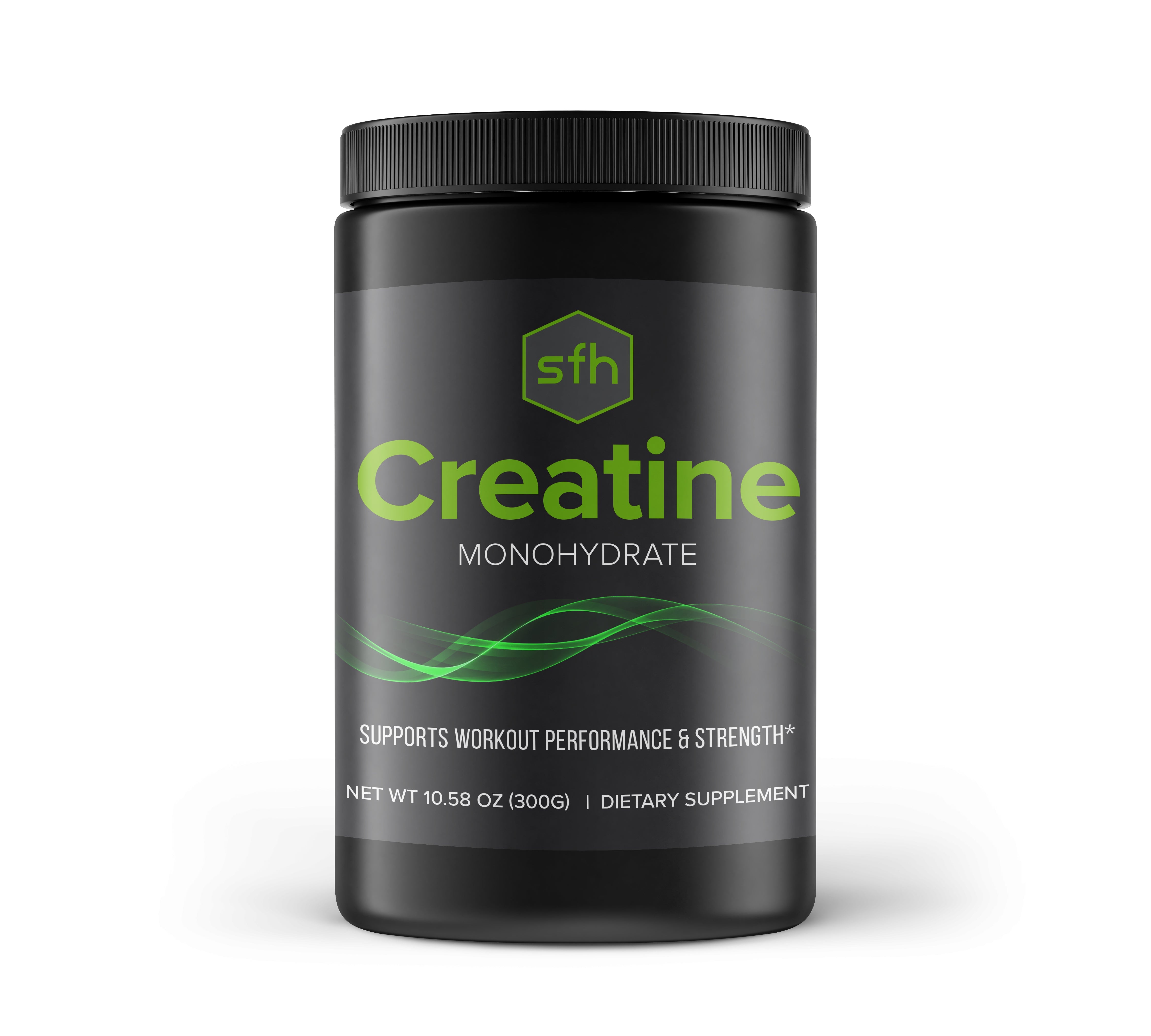
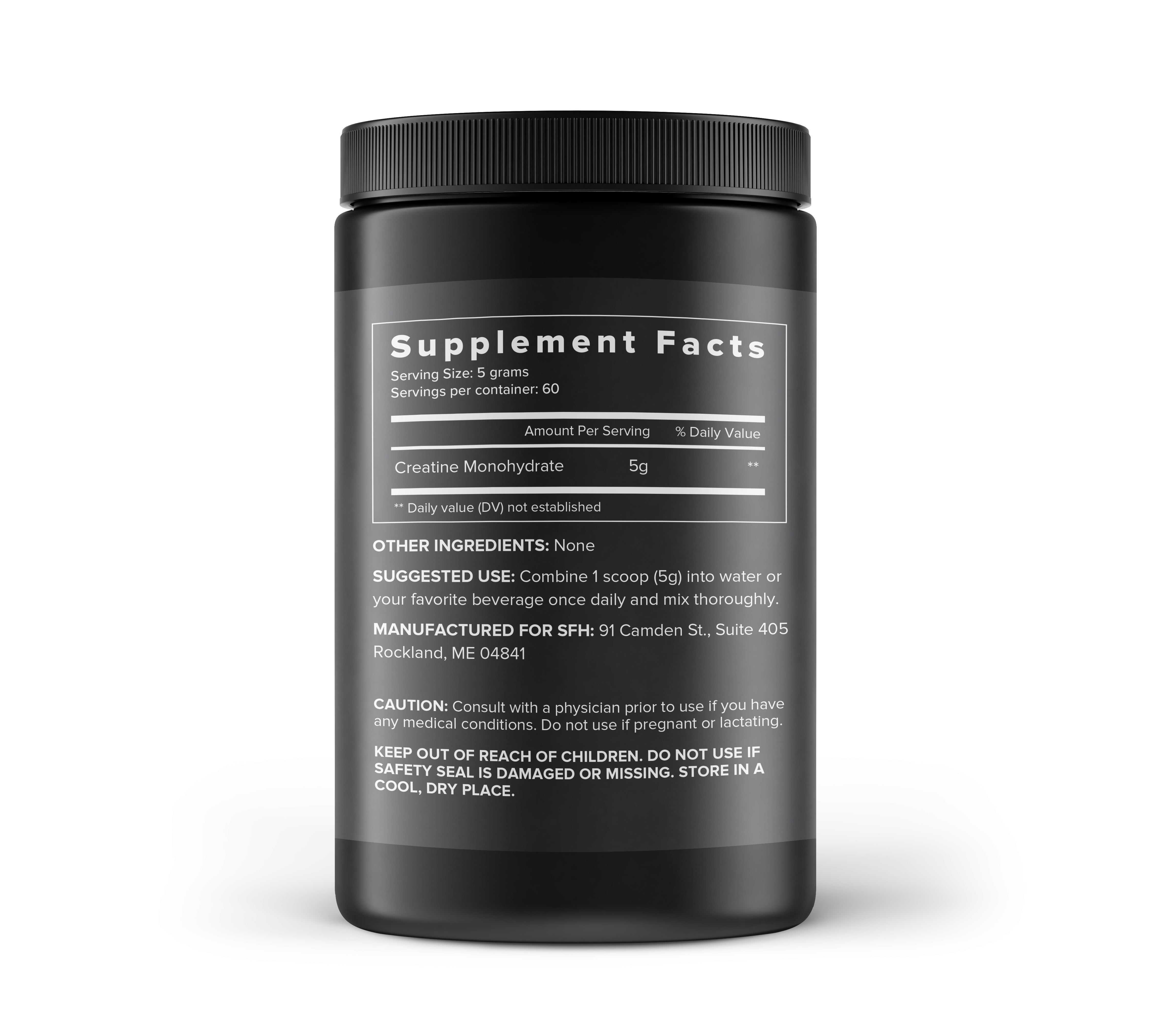
SFH Creatine Monohydrate is an unflavored, micronized creatine powder designed to mix into water, juice, or shakes. It offers a straightforward option for people who want to supplement with creatine monohydrate rather than a complicated blend. Follow the current product label and your chosen dosing approach; no brand-specific evidence establishes that this powder saturates muscles faster than comparable creatine monohydrate products.
Consistency matters after the first week, regardless of which method you select. The supplement is most useful as part of a training routine you actually maintain.
Frequently Asked Questions
What happens if you skip the creatine loading phase?
Your muscles can still accumulate creatine through smaller daily servings. The main difference is slower saturation, not an automatic loss of potential long-term benefits.
Is taking five grams of creatine daily enough without loading?
For many healthy adults, five grams daily fits commonly studied maintenance protocols. Individual factors and medical circumstances can affect appropriate supplementation choices.
How long does creatine take to work without loading?
Muscle stores typically rise over about three to four weeks with consistent lower daily doses. Noticeable training changes vary and may take longer.
Does creatine loading cause bloating or weight gain?
Loading may cause digestive discomfort and quicker water-related weight changes in some people. Those changes are not automatically body fat gain.
Do you need to keep taking creatine after loading?
A maintenance dose helps keep muscle creatine stores elevated. Without continued supplementation, stores gradually return toward earlier levels over time.
Conclusion
Creatine loading vs no loading is primarily a choice about timing, convenience, and tolerance. Loading can increase muscle creatine stores within roughly a week, while taking three to five grams daily raises stores more gradually. Both approaches have scientific support, and choosing the faster one does not guarantee greater long-term strength or muscle growth.
If you have a near-term performance goal, a loading phase may be worth considering. If you prefer fewer servings and a steady routine, skipping loading is reasonable. What matters most is following an appropriate dose consistently and pairing supplementation with productive training, adequate food, and recovery.
Do not judge the plan by a sudden scale change or one impressive workout. Pay attention to how your performance develops over time, and seek medical advice when health conditions make supplementation less straightforward. The best approach is the one that suits your needs and stays sustainable beyond week one.


Leave a comment
This site is protected by hCaptcha and the hCaptcha Privacy Policy and Terms of Service apply.