



Creatine has spent decades in the weight room. Now it is turning up in many conversations about memory, concentration, and the kind of mental fatigue that makes an afternoon feel demanding. The connection is not surprising. Muscles need energy to perform repeated efforts, and the brain needs a reliable energy supply to think, learn, and respond. Creatine plays a role in both systems. But a plausible explanation is not the same as proof that taking a supplement sharpens the mind.
Some experiments report encouraging changes in memory or performance under stress, while several others find little meaningful difference from placebo. So, does creatine help memory, and can it improve focus? To answer that, it helps to separate different thinking skills, look at how the research was conducted, and better understand why results from sleep-deprived volunteers may not apply to someone simply hoping to concentrate better at work each day.
How Does Creatine Affect the Brain?
The brain is demanding an organ that weighs relatively little. Even while sitting still, it uses energy to maintain electrical signals, process information, and communicate between nerve cells. That work depends on adenosine triphosphate, usually called ATP. Because ATP must be replenished, the brain relies on several energy systems.
Creatine is part of one of them. In tissues, creatine can be converted into phosphocreatine, which helps restore ATP when energy demand changes. This explains why scientists became interested in creatine beyond sports performance. If the compound helps muscles manage demanding bursts of activity, could it also help the brain during difficult mental tasks?
The possibility is reasonable, but there is an important complication. Most creatine in the body is stored in muscle. Getting extra creatine into the brain is harder than increasing muscle stores, partly because the brain regulates what enters through the blood-brain barrier. A dose that works well for exercise therefore cannot automatically be assumed to improve concentration.
Brain performance is also more complex than fuel availability. Attention depends on sleep, motivation, mental health, medications, and the task itself. Remembering a list of words is not the same as staying engaged through a meeting. Creatine might influence some kinds of cognitive performance without making every aspect of thinking better. That distinction matters when interpreting the studies.
Does Creatine Improve Memory?
Memory is one of the more promising areas of creatine research, although the results still need context. Scientists test memory in several ways, including recalling words, holding numbers in mind, or remembering information after a delay. An improvement on one task does not necessarily mean someone will remember appointments, names, or study notes more easily.
According to Xu and colleagues, a 2024 systematic review and meta-analysis examined 16 randomized controlled trials involving 492 participants. Across the studies, creatine was associated with an improvement in memory. The analysis also found improvements in measures of attention time and processing speed, but not in overall cognitive function or executive function. The authors considered the evidence for memory moderately certain, with weaker certainty for some other outcomes.
Encouraging. Yet combining trials cannot erase differences between them. Participants varied in age and health, doses differed, and researchers used different tests. Some studies recruited people under unusual cognitive strain; others studied healthy adults going about ordinary routines. Those details influence how widely the findings can be applied.
Consider a larger trial. According to Sandkühler and colleagues, 123 participants completed a randomized crossover study that compared five grams of creatine daily with placebo during six-week periods. The main tests examined reasoning and working memory. Conventional analyses did not identify significant improvement in the two primary outcomes, although a Bayesian analysis offered some support for a small benefit. The researchers did not find a clear advantage among vegetarians compared with omnivores.
Taken together, these findings suggest possible modest memory benefits, not a dependable shortcut to remembering everything. The evidence is interesting enough to study further, but it is not strong enough to promise better exam results or sharper everyday recall.
Can Creatine Improve Focus and Concentration?
Focus is an appealing word in supplement marketing because almost everyone wishes they had more of it. In research, though, concentration is not one single measurement. Scientists may examine how quickly someone reacts to a signal, how long they sustain attention, whether they resist distractions, or how accurately they switch between tasks.
These abilities overlap, but they are not interchangeable. Faster response times in a laboratory test do not necessarily translate into several hours of productive writing. Neither does a stronger memory score mean a person will feel alert after lunch.
The meta-analysis by Xu and colleagues found favorable results for certain attention-time and processing-speed measures. Importantly, it did not find a significant benefit for executive function or overall cognition. That makes it difficult to justify broad claims that creatine improves concentration across daily life.
A useful way to think about the evidence is to separate measured performance from subjective experience. A person may complete a computerized task slightly faster without noticing any change in mental clarity. Someone else may feel more focused for reasons unrelated to a supplement, such as sleeping better or expecting it to work. Placebo comparisons help researchers distinguish these possibilities.
An independent assessment reached a cautious conclusion. In 2024, the European Food Safety Authority reviewed intervention research on creatine and cognition and found that a cause-and-effect relationship between supplementation and improved cognitive function had not been established. Its assessment noted inconsistent findings across different doses and tests.
This does not cancel every promising result. It does mean that claims about sharper focus should remain narrower than claims about creatine's established exercise uses. For someone who struggles to concentrate regularly, sleep quality, stress, workload, and health concerns deserve attention before assuming creatine is the solution.
Does Creatine Help With Mental Fatigue and Sleep Deprivation?
The most intriguing findings may come from situations in which the brain is working under difficult conditions. Sleep deprivation makes many thinking tasks harder, so researchers have tested whether creatine can reduce some of that decline.
According to Gordji-Nejad and colleagues, a 2024 randomized crossover experiment gave participants a single high dose of creatine, 0.35 grams per kilogram of body weight, during approximately 21 hours of sleep deprivation. Researchers observed changes in brain energy-related measurements alongside improvements in several cognitive tasks and processing speed compared with placebo.
Another randomized trial published in 2026 examined 29 healthy participants under a similar period of sleep deprivation. According to the researchers, a single dose of 0.2 grams per kilogram was associated with less deterioration in certain logical, numerical, language-processing, and vigilance measures, with improvements reaching up to 12 percent in some outcomes.
Those results are worth exploring, but the doses were higher than the three-to-five-gram amounts commonly used for everyday exercise supplementation. They were administered under research conditions, not advice for an exhausting workday. High-dose experimental findings should not be turned into instructions for routine self-dosing.
And not every experiment has found benefits. According to Shaw and colleagues, a 2026 pilot study involving eight adults tested 20 grams of creatine daily for seven days before a night restricted to three hours in bed. The researchers found no significant creatine effect on the cognitive measures assessed. Because the study was small, it could not confidently rule out smaller effects.
Sleep-loss findings are therefore promising but inconsistent. Creatine is not a replacement for sleep. Feeling less impaired on a particular test is very different from reversing the wider health and safety consequences of sleep deprivation.
Who Might Benefit Most From Creatine for Brain Health?
Researchers have considered whether some people are more likely to respond because their baseline creatine stores, age, diet, or energy demands differ. The idea makes sense scientifically, but the evidence does not yet identify a reliable group that should take creatine specifically for memory or concentration.
Older adults are mentioned because memory performance can change with age. Some studies have included older participants, but differences in test methods and sample sizes make conclusions uncertain. It would be premature to promise protection against age-related decline or suggest creatine prevents dementia.
Vegetarians and vegans are another group of interest because dietary creatine is largely found in animal products. However, lower dietary intake does not automatically establish greater cognitive benefit. The 123-participant trial discussed earlier did not find evidence that vegetarians responded better than omnivores on its main cognitive outcomes.
People experiencing sleep deprivation may represent a more promising research setting, but the positive experiments used unusual doses and short observation periods. Those conditions differ from daily life, and larger trials are needed before making practical recommendations.
For healthy, well-rested adults, the picture is especially uncertain. A supplement may influence a laboratory measurement without noticeably changing work performance, studying, or decision-making. Personal circumstances still matter, but the available data do not support dividing people into definite responders and nonresponders.
How Much Creatine Should You Take for Memory and Focus?
There is currently no established creatine dose specifically proven to improve memory or focus in healthy adults. Some trials have used five grams daily for several weeks; others have tested much higher doses for brief periods. Their different outcomes should not be treated as interchangeable.
For its established role in exercise supplementation, creatine monohydrate is commonly taken in maintenance amounts of about three to five grams daily. That familiar range is not a confirmed prescription for cognitive enhancement. Increasing the amount simply because a sleep-deprivation experiment used more would be an unjustified leap.
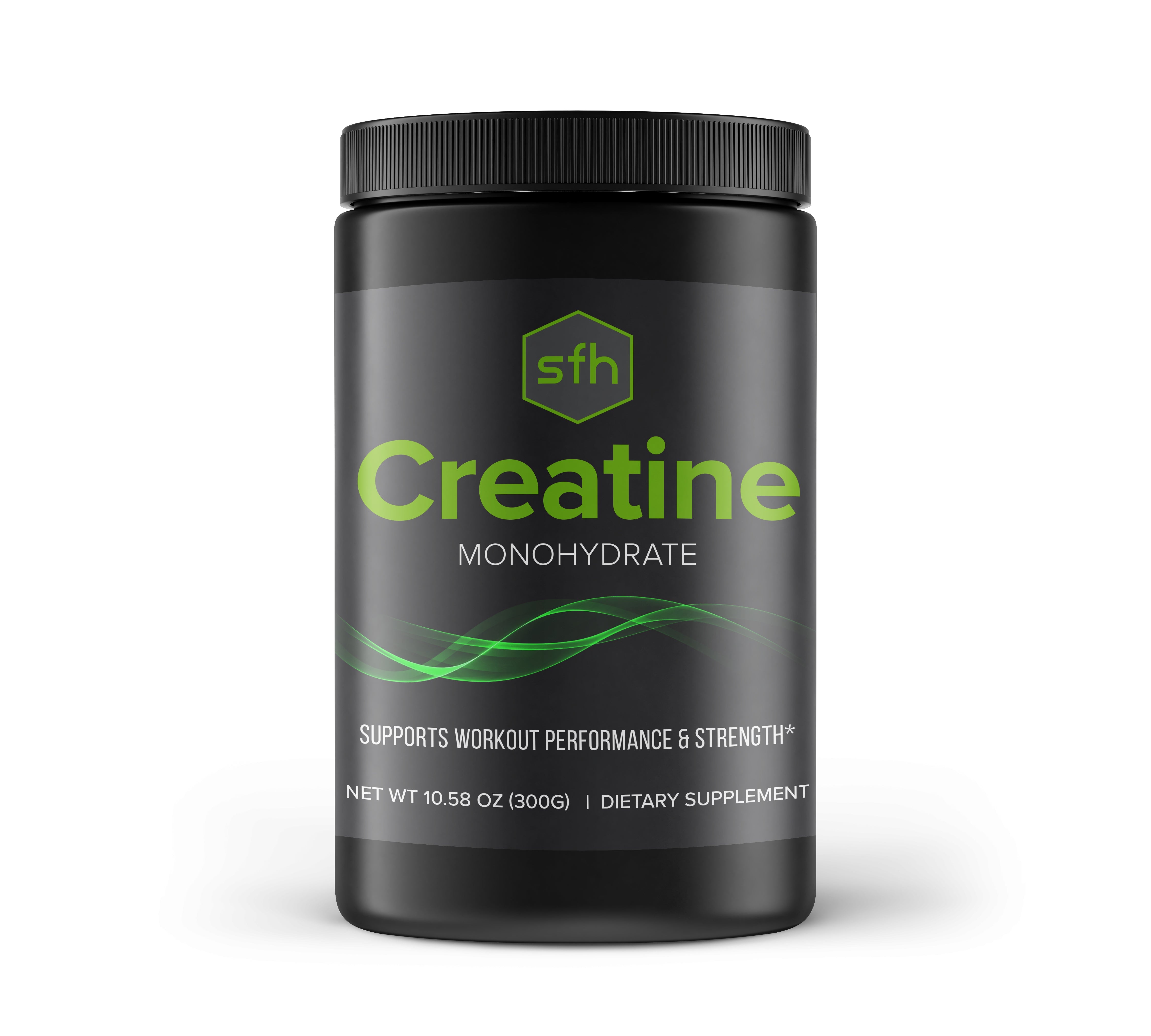
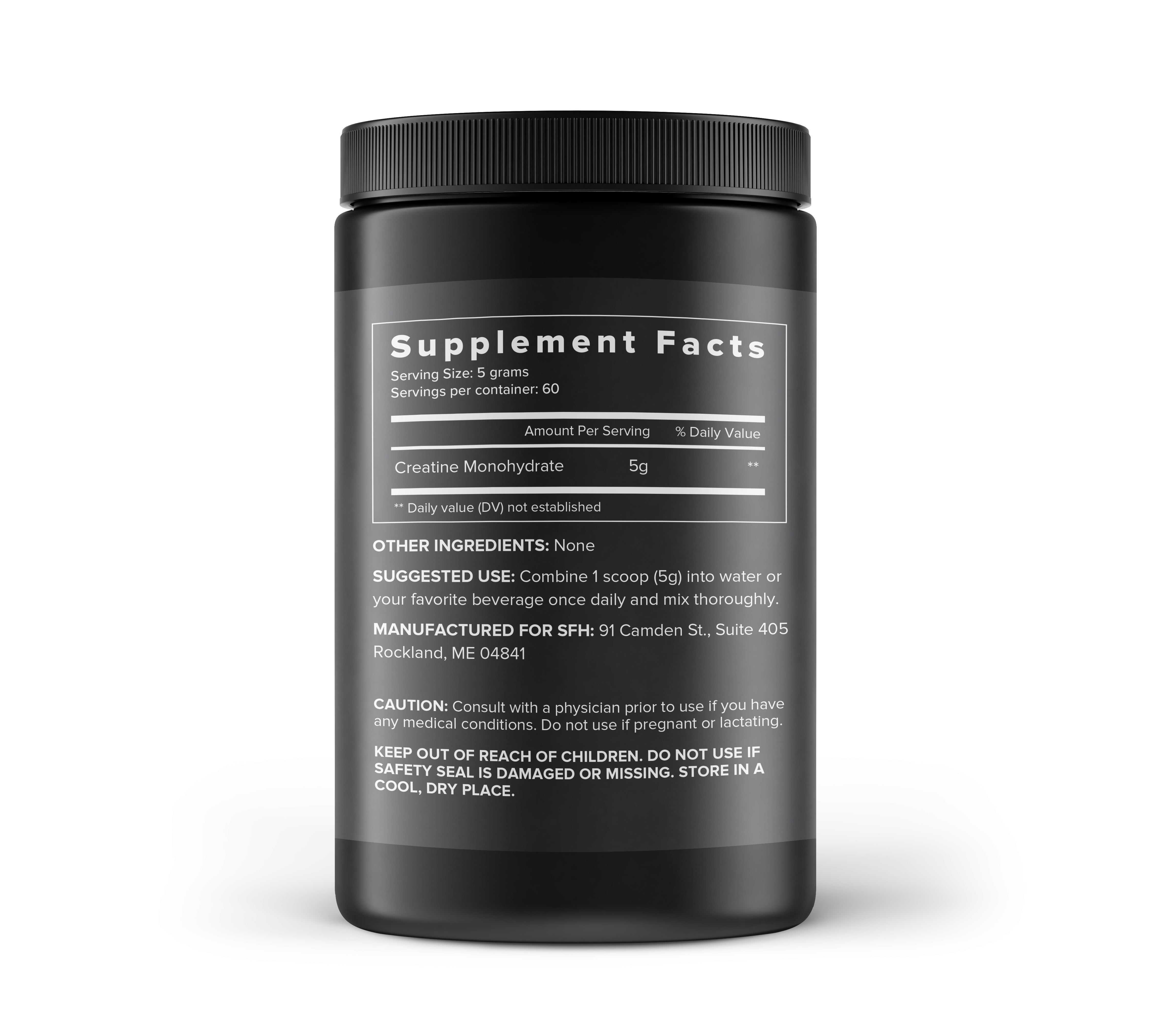
SFH Creatine Monohydrate is an unflavored, micronized powder that can be mixed into water, juice, or a shake. It is a straightforward option for people choosing creatine for their fitness routine, but there is no product-specific evidence proving that SFH improves memory or concentration.
Anyone with kidney disease, other relevant medical concerns, or questions about medications should speak with a qualified healthcare professional before supplementing. Persistent memory or concentration problems deserve proper evaluation rather than self-treatment with sports nutrition products.
Frequently Asked Questions
Does creatine help with brain fog?
Brain fog can describe several problems, including fatigue and difficulty concentrating. Creatine has not been established as a treatment, and persistent symptoms warrant medical assessment.
Can creatine help you study or learn better?
Some laboratory memory findings are promising, but research has not shown that creatine reliably improves grades, learning speed, or everyday study performance.
Does creatine improve memory in older adults?
Older adults have been included in cognitive research, but findings remain too mixed to promise meaningful improvement or protection from cognitive decline.
How long does creatine take to improve focus?
No reliable timeline has been established. Studies use different doses, durations, and cognitive tests, and many do not find clear benefits.
Does creatine work like caffeine for alertness?
No. Caffeine acts as a stimulant, while creatine participates in cellular energy metabolism. Creatine is not an established substitute for caffeine or sleep.
Does Creatine Help Memory and Focus? The Bottom Line
Creatine's possible effects on the brain deserve attention, but the story is more interesting than a simple promise of sharper thinking. Some studies suggest modest improvements in memory or performance under sleep deprivation. Others find little difference from placebo, particularly when researchers examine everyday doses and broader measures of cognition. The available evidence for everyday focus is less consistent than headlines sometimes suggest.
The distinction is between what seems biologically possible and what has been demonstrated in people. Creatine helps the body manage energy, including in brain tissue, yet that does not mean every supplement dose improves concentration. Researchers still need larger, carefully controlled studies using comparable cognitive tests.
For now, creatine monohydrate remains better established for certain exercise outcomes than for everyday mental performance. Anyone considering it specifically for memory should keep expectations realistic. Good sleep, appropriate nutrition, and attention to underlying health concerns remain foundations for thinking clearly.


Leave a comment
This site is protected by hCaptcha and the hCaptcha Privacy Policy and Terms of Service apply.