






How Much Plant Protein Do You Need Per Day?
If you are eating more plant-based foods, avoiding dairy, or simply trying to increase your protein intake, you may wonder: How much plant protein do you need per day?
There is no single plant protein target that works for everyone. Your needs depend on your body weight, age, activity level, health, and fitness goals. It is also important to look at your total daily protein intake rather than treating plant protein as an entirely separate requirement.
For most healthy adults, the starting point is determining how much total protein the body needs. From there, you can consider where that protein comes from and whether your diet provides enough essential amino acids.
How Much Protein Do You Actually Need Each Day?
A commonly used baseline for healthy adults is 0.8 grams of protein per kilogram of body weight per day. This is a starting reference, not necessarily the ideal amount for every individual.
According to Cleveland Clinic, protein needs can vary according to factors such as age, body size, activity level, and health. People who exercise regularly or have specific fitness goals may require more than the basic recommendation.
For example, a person weighing 70 kilograms, or about 154 pounds, would reach the basic 0.8 g/kg reference at approximately 56 grams of protein per day.
That does not mean everyone weighing 70 kilograms should aim for exactly 56 grams. Someone who spends most of the day sitting has different demands from someone who strength trains several times each week.
The key point is simple: your daily protein requirement should be personalized before you decide how much plant protein you need.
How to Calculate Your Daily Protein Needs
You can get a useful starting estimate by converting your weight into kilograms and multiplying it by the appropriate protein target.
If you weigh yourself in pounds, divide your weight by 2.2 to estimate kilograms.
For example:
165 pounds ÷ 2.2 = approximately 75 kilograms.
At the basic 0.8 g/kg reference, that would equal approximately 60 grams of protein per day.
Exercise changes the picture.
The International Society of Sports Nutrition states that an overall daily protein intake of approximately 1.4 to 2.0 grams per kilogram per day is sufficient for most exercising individuals who want to build or maintain muscle.
For a 75-kilogram active adult, that range would equal roughly 105 to 150 grams per day.
This illustrates why searching for one universal answer to “how much protein should I eat a day?” can be misleading. Your lifestyle matters.
Do You Need More Protein on a Plant-Based Diet?
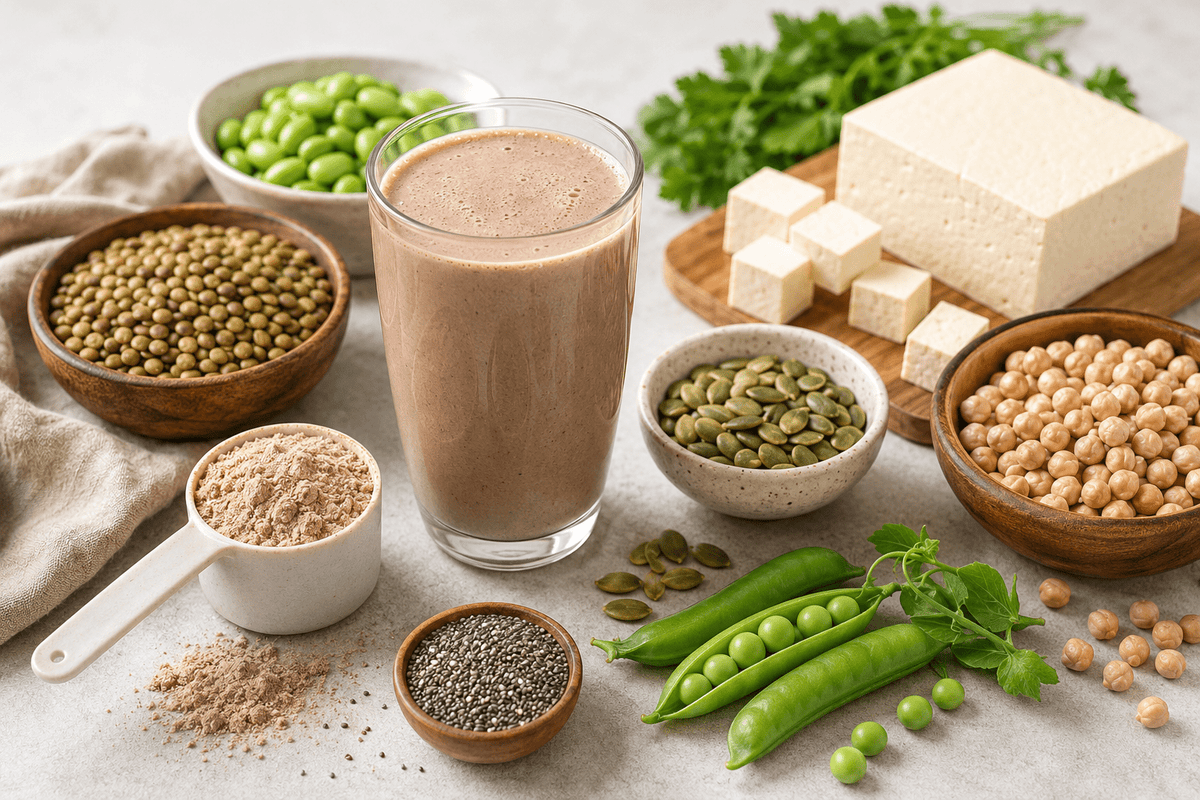
Plant proteins absolutely count toward your daily protein intake. Beans, lentils, peas, soy foods, nuts, seeds, grains, and plant protein powders can all contribute.
However, protein quality deserves attention.
Proteins are made from amino acids. Nine amino acids are considered essential because the body cannot produce enough of them on its own. Different foods provide these amino acids in different amounts.
A scientific review in pubmed examining plant-based dietary patterns notes that factors including amino acid composition, digestibility, bioavailability, and the amount of protein consumed can influence the ability of dietary protein to support muscle protein synthesis.
This does not mean a plant-based diet cannot provide enough high-quality protein. It means variety and total intake matter.
Eating different protein-rich plant foods throughout the day can help create a more varied amino acid intake.
This is also one reason blended plant protein powders can be useful. Instead of relying on one plant source, a blend combines multiple sources in one serving.
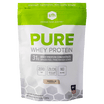
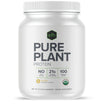
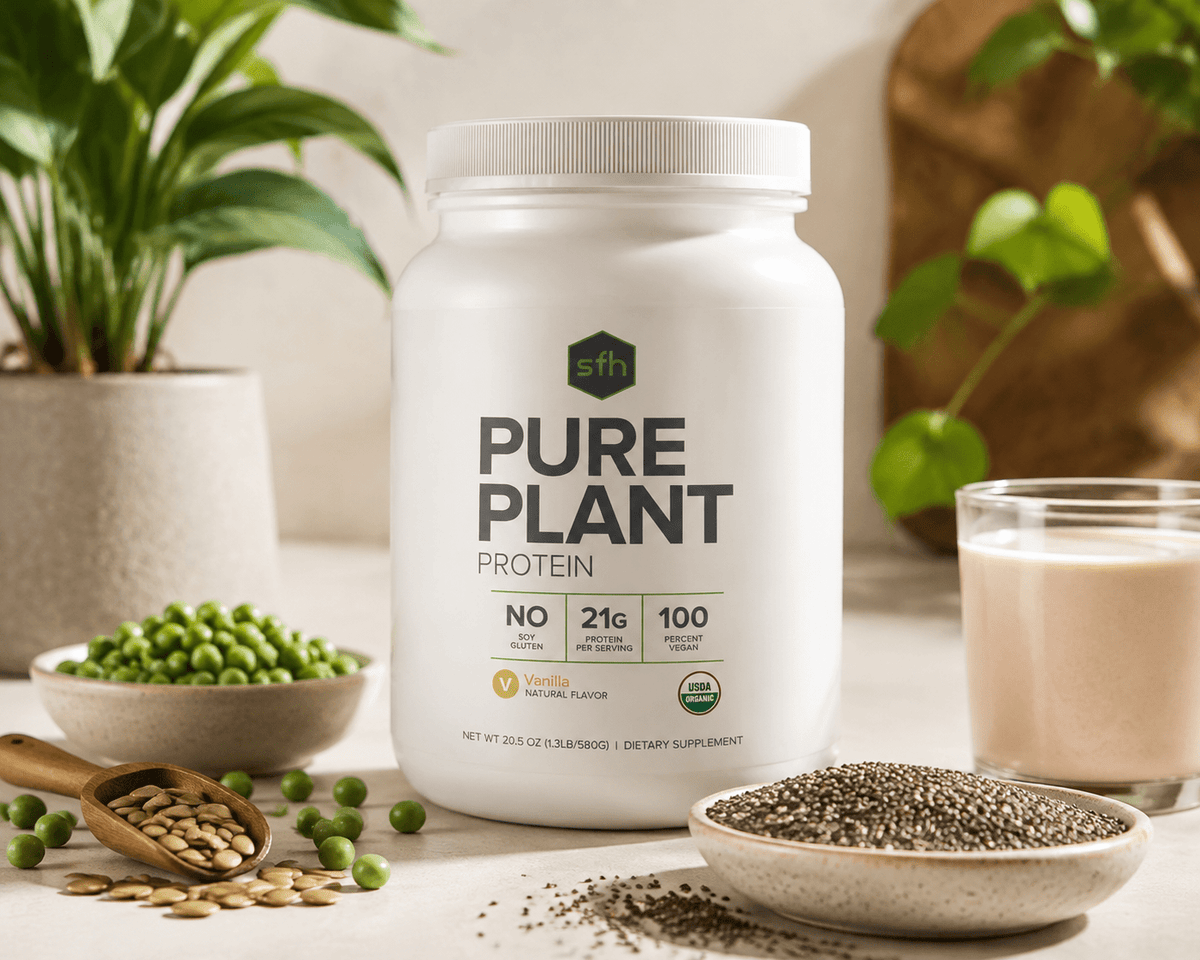
For example, SFH PURE PLANT Protein provides 21 grams of organic plant-based protein per serving from organic pea, pumpkin seed, and chia seed proteins. For someone trying to increase daily protein without dairy, a serving can be one convenient part of a broader diet that includes whole-food protein sources.
Your Activity Level Changes Your Protein Needs
If you exercise regularly, protein becomes particularly relevant because physical activity creates additional demands for muscle repair, remodeling, and adaptation.
That does not mean you need a protein shake after every workout. Your total protein intake across the entire day remains important.
A 2023 systematic review and meta-analysis of randomized controlled trials examined plant protein supplementation and exercise-related outcomes. The findings support the idea that plant proteins can contribute to muscle-related adaptations, although outcomes vary according to factors such as protein source, training, dose, and study population.
This is useful context for anyone wondering whether plant protein is good for muscle recovery.
Plant protein does not suddenly become useful only when consumed after exercise. Instead, think about protein as part of your overall nutrition strategy.
If you train in the morning, protein might be included at breakfast and lunch. If you train after work, dinner and an afternoon snack might help distribute your intake.
The goal is to consistently give your body the protein and essential amino acids it needs throughout the day.
For active adults, that makes the question more useful than simply asking whether plant protein “works.” The better question is whether your total intake, protein quality, and eating pattern match your individual needs and activity level.
Does Plant Protein Quality Matter?
Yes, but protein quality is more nuanced than labeling foods simply “good” or “bad.”
Plant proteins differ in their essential amino acid profiles and digestibility. Some naturally contain lower amounts of particular essential amino acids than common animal-derived proteins.
This is where dietary variety becomes valuable.
A review on plant proteins and muscle protein synthesis discusses strategies such as increasing the amount consumed, fortifying specific amino acids, and blending different plant protein sources to improve the overall amino acid profile of a meal or product.
That helps explain why combinations such as pea, pumpkin seed, and chia can make sense in a plant protein formula. It is not about claiming that one blend magically transforms your diet. It is about using complementary plant sources as part of a varied approach to protein intake.
This is the thinking behind SFH PURE PLANT Protein, which combines organic pea, pumpkin seed, and chia seed proteins rather than relying on only one source. It is also dairy-free and naturally sweetened with organic monk fruit, making it an option for people who want plant protein without some of the unnecessary extras they may be trying to avoid.
How to Get Enough Plant Protein Throughout the Day
Meeting your daily protein needs becomes much easier when you stop trying to consume most of it in one meal.
Start by identifying foods you already enjoy.
Breakfast could include oatmeal with seeds, soy foods, or another protein-rich option. Lunch might include lentils, chickpeas, beans, tofu, or a grain-and-legume bowl. Nuts and seeds can contribute additional protein through snacks, while dinner offers another opportunity for beans, legumes, soy foods, or other plant protein sources.
Protein powder can fill gaps when convenience matters.
For example, if breakfast is typically low in protein, adding a plant protein shake may make reaching your daily target easier. The same approach can work after training or during a busy afternoon.
This is where SFH PURE PLANT Protein can fit naturally into an active lifestyle. Each serving provides 21 grams of plant-based protein, so you can count those 21 grams toward your overall daily target rather than treating a shake as a separate nutrition category.
Whole foods should still provide variety, fiber, micronutrients, and other valuable dietary components.
Can You Drink Plant Protein Every Day?
For many healthy adults, protein powder can be used as a convenient food supplement, but it should complement rather than replace a varied diet.
Think about what the powder helps you accomplish.
If your meals already provide enough protein, you may not need another shake simply because you exercised. If you routinely fall short of your target, a protein powder may provide a convenient way to close that gap.
People with kidney disease, other medical conditions affecting protein requirements, allergies, or specialized dietary needs should discuss appropriate protein intake with a qualified healthcare professional.
Common Mistakes When Calculating Protein Intake
One common mistake is assuming everyone needs the same number of grams.
Another is focusing entirely on a single meal. Daily intake matters, and spreading protein-containing foods across meals can make a higher target easier to reach.
Do not forget to count protein already present in your meals. Grains, beans, lentils, nuts, seeds, tofu, vegetables, and other foods can collectively make a substantial contribution.
Finally, do not assume “plant-based” automatically means high protein. A plant-based meal can still contain very little protein if it consists mainly of low-protein foods. Food selection matters.
Frequently Asked Questions
How much plant protein do I need per day?
There is no separate universal requirement for plant protein. Determine your overall daily protein needs based on factors such as body weight, age, activity level, health, and goals, then consider how plant protein sources can contribute to that total.
Can you get enough protein from plants?
Yes. A well-planned diet can provide protein from foods such as beans, lentils, soy, peas, nuts, seeds, grains, and plant protein powders. Eating a varied diet also helps provide a broader range of essential amino acids.
Do I need more protein if I exercise?
Often, yes. Exercising individuals may benefit from higher protein intake than the basic recommendation for sedentary adults. The appropriate amount depends on training type, intensity, goals, body size, and individual circumstances.
Is plant protein good after a workout?
Plant protein can contribute to the protein and essential amino acids needed for muscle recovery and adaptation. Your total daily protein intake remains important, so post-workout protein should be viewed as part of your overall diet rather than a single magic recovery window.
Can I take plant protein powder without working out?
Yes. Protein is an essential nutrient, not an exercise-only supplement. Someone may use plant protein powder to help meet daily protein needs because they are plant-based, avoiding dairy, have a busy schedule, or simply find a shake convenient.
The Bottom Line
So, how much plant protein do you need per day?
Start with your total daily protein requirement rather than searching for one universal plant-protein number. A basic reference for healthy adults is 0.8 grams per kilogram of body weight per day, while people who exercise regularly may have higher needs.
Then consider protein quality, food variety, essential amino acids, and how your intake is distributed throughout the day.
Plant foods can make meaningful contributions to your daily protein target, and a thoughtfully formulated plant protein powder can provide additional convenience when food alone does not fit your schedule.
The most useful strategy is not chasing the largest possible protein number. It is consistently consuming an appropriate amount for your body, lifestyle, and goals while building that intake around a varied, balanced diet.


Leave a comment
This site is protected by hCaptcha and the hCaptcha Privacy Policy and Terms of Service apply.