

You finish a protein-packed dinner, then wonder whether your body can use everything you ate. Maybe you have heard that anything above 30 grams of protein in one sitting goes to waste. It sounds convincing. But the science tells a more interesting story. This matters whether you lift weights or want balanced meals. Your digestive system can absorb protein from larger meals, while the amount that immediately stimulates muscle growth depends on factors such as body size, activity, age, and the protein source.
Understanding this difference makes planning meals easier. Instead of chasing an arbitrary limit, you can focus on getting enough protein across the day. So, how much protein per meal should you aim for, and does eating more actually help? Here is what research shows about protein absorption per meal, muscle protein synthesis, and practical protein distribution.
How Much Protein Can Your Body Use in One Meal?
There is no established universal limit at which your body suddenly stops absorbing dietary protein. When you eat chicken, yogurt, beans, or a protein shake, digestion releases amino acids that your intestine can absorb over time. Those amino acids support many functions, including rebuilding body proteins, producing enzymes, and maintaining tissues. Muscle growth is only one possible destination.
The more useful question is how much protein per meal supports your particular goal. Someone recovering from strength training may benefit from a different serving than a smaller, less active adult. A large mixed meal also digests differently from a shake consumed alone.
For practical meal planning, portions around 25 to 40 grams of high-quality protein can be a reasonable starting point for many adults.
Protein Digestion, Absorption, and Muscle Protein Synthesis Explained
Digestion Breaks Protein Into Smaller Pieces
Protein digestion begins in your stomach, where acid and enzymes start breaking food proteins apart. Digestion continues in the small intestine as additional enzymes create smaller peptides and individual amino acids. Meals containing fat, fiber, and other nutrients can change how quickly food moves through the digestive tract.
That is why eating steak with potatoes and vegetables is not metabolically identical to drinking whey mixed with water. Both supply usable protein, but the amino acids may become available over different periods.
Absorption Moves Amino Acids Into the Body
After digestion, the small intestine transports amino acids and small peptides into intestinal cells. From there, amino acids enter circulation and can be used by organs and tissues. This process is what protein absorption per meal actually describes.
Absorbing amino acids does not mean every gram immediately becomes muscle. Your body constantly replaces proteins in the gut, liver, skin, blood, and elsewhere. Asking whether a meal's protein was absorbed is therefore different from asking how much contributed to muscle growth.
Muscle Protein Synthesis Builds and Repairs Muscle
Muscle protein synthesis describes the process of assembling amino acids into new muscle proteins. Exercise, especially resistance training, creates a strong reason for your muscles to adapt. Eating protein supplies the building blocks and helps stimulate this process.
However, muscle protein synthesis is not a simple switch that turns off after precisely 30 grams. Its response depends on the protein dose, essential amino acid content, exercise history, and time measured.
Can Your Body Absorb More Than 30 Grams of Protein at Once?
The popular 30-gram rule often confuses findings about short-term muscle responses with limits on digestion and absorption. Early experiments sometimes used isolated, rapidly digested protein and measured muscle protein synthesis over relatively short windows. Those conditions cannot represent every meal or every person.
According to Trommelen and colleagues, a 2023 study involving 36 healthy young men compared zero, 25, and 100 grams of protein after exercise. The 100-gram dose produced a greater, more prolonged anabolic response, extending beyond 12 hours. This challenges the assumption that protein above a small serving is automatically wasted.
Still, that finding does not establish 100 grams as the ideal serving. It examined physiological responses under controlled conditions rather than long-term results from eating enormous meals every day. The sensible takeaway is that the body can handle protein doses above traditional recommendations, while the optimal amount depends on context. Longer studies examining muscle growth and performance would help clarify how these short-term findings translate into everyday diets.
How Much Protein per Meal Is Best for Muscle Growth?
A useful approach starts with body weight instead of one number for everyone. According to Schoenfeld and Aragon's 2018 review, approximately 0.4 grams of protein per kilogram of body weight per meal, across at least four meals, is a proposed strategy for supporting muscle-building goals. That provides about 1.6 grams per kilogram daily.
For someone weighing 150 pounds, or roughly 68 kilograms, that calculation gives approximately 27 grams per meal. At 180 pounds, or about 82 kilograms, it suggests roughly 33 grams. At 220 pounds, around 100 kilograms, it suggests about 40 grams.
Age, appetite, dietary preferences, and physical activity can affect the most practical target. Older adults may need particular attention to protein quality and adequate portions, while athletes with demanding schedules may prefer larger meals. People managing kidney disease or other conditions requiring tailored protein advice should discuss changes with their clinician or registered dietitian.
How Much Protein Do You Need Each Day?
Before dividing protein between meals, consider your daily goal. According to the US Dietary Guidelines for Americans, 2025–2030, the recommended daily protein target is 1.2 to 1.6 grams per kilogram of body weight, adjusted for individual needs. For a 150-pound adult, that translates to approximately 82 to 109 grams daily.
According to Morton and colleagues, a 2018 meta-analysis of 49 trials involving 1,863 participants found that protein supplementation improved gains in fat-free mass, with benefits plateauing around 1.6 grams per kilogram daily. Different health conditions may require personalized advice.
If you aim for 120 grams daily, three meals containing 35 grams and a snack supplying 15 grams would meet that goal. Equally, four meals with 30 grams each could work. There is no need to force a rigid timetable when a more flexible pattern helps you eat consistently.
Does Protein Distribution Throughout the Day Matter?
Protein distribution means deciding how much of your daily intake appears at breakfast, lunch, dinner, and snacks. Many people eat little protein early in the day, then consume most of it at dinner. Spreading intake can make daily targets easier to achieve, especially if breakfast usually consists only of toast or coffee.
According to a 2014 crossover study of eight healthy adults found that 24-hour muscle protein synthesis was 25% higher when protein was distributed evenly across three meals compared with a pattern heavily weighted toward dinner.
That result supports considering more balanced meals, but the small study did not establish that every person must eat identical portions. Other investigations have found mixed results, especially when looking at longer-term outcomes. Consuming enough protein throughout the day is more important than making each meal mathematically perfect. For many people, a routine is easier to sustain than constantly recalculating portions.
A practical adjustment is to add eggs or yogurt at breakfast, include a meaningful protein source at lunch, and keep dinner balanced rather than oversized. Protein distribution should support your lifestyle, not dominate it.
What Happens If You Eat 50 or 100 Grams in One Meal?
Imagine enjoying a large steak dinner that provides 55 grams of protein. Your body does not simply discard everything above 30 grams. Digestion continues, absorbed amino acids circulate, and tissues use what they need over time. Some amino acids may also be broken down, with nitrogen eventually excreted through normal metabolic processes.
Eating 100 grams at once is therefore different from wasting 100 grams. But being able to use a large serving does not make it necessary. If enormous meals leave you uncomfortable or make it harder to enjoy balanced nutrition, dividing protein across meals is a sensible alternative.
Likewise, eating extra protein cannot replace progressive resistance training, sufficient energy, sleep, and recovery. For muscle growth, the repeated combination of training and adequate nutrition matters more than winning a contest for the biggest dinner.
Practical High Protein Meal Examples
Breakfast Ideas With 25 to 35 Grams of Protein
A bowl of plain Greek yogurt topped with nuts and oats can deliver a substantial breakfast protein serving, depending on the brands and amounts used. Another option is two eggs alongside cottage cheese and whole-grain toast. Both approaches provide protein with other nutrients that make breakfast satisfying.
If mornings are rushed, preparing yogurt cups overnight or keeping hard-boiled eggs available reduces the temptation to skip breakfast.
Lunch and Dinner Ideas With 30 to 45 Grams of Protein
Lunch might be a chicken and avocado sandwich with a side of edamame, while dinner could feature salmon, brown rice, and roasted vegetables. A tofu and lentil bowl is another useful option for people who prefer plant-based meals. Adjust portions according to your actual protein target instead of assuming every plate needs the same amount.
Try including vegetables, whole grains, and healthy fats alongside protein. These foods contribute fiber, energy, and micronutrients that a protein number alone cannot capture.
Simple Protein Snacks and Shakes
Snacks can fill smaller gaps between meals. Cottage cheese with fruit, a glass of milk, roasted edamame, or a yogurt cup may be enough. A shake is convenient when time or appetite makes a regular meal difficult.
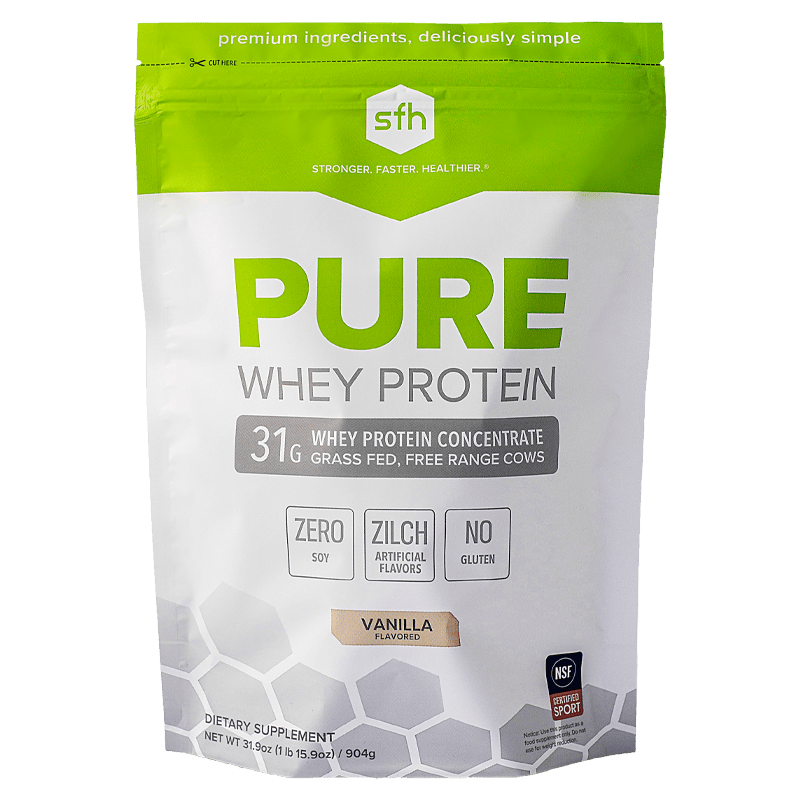
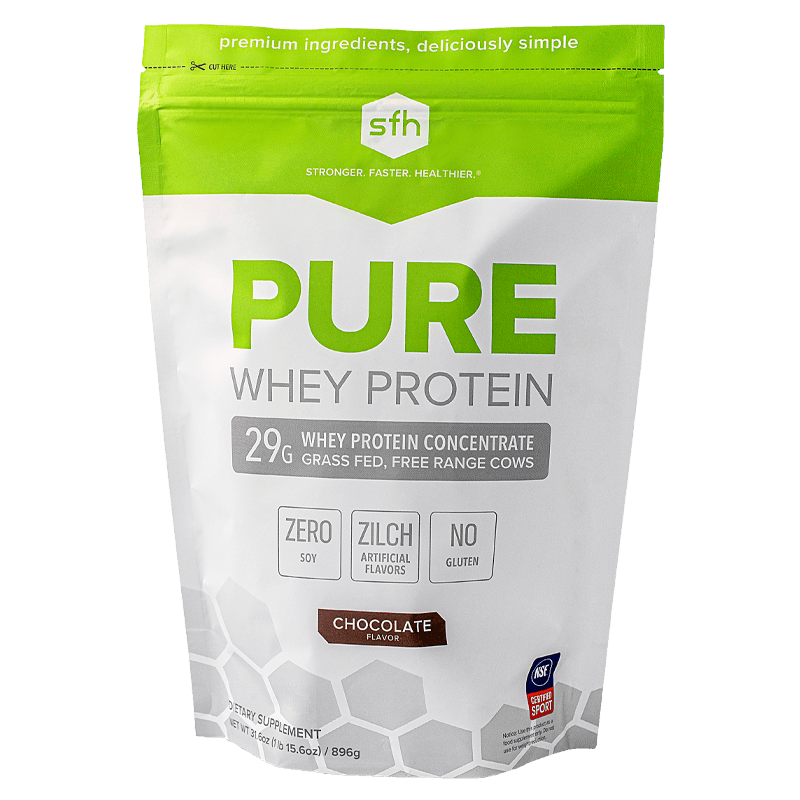
For that purpose, SFH Grass Fed Pure Whey Protein Powder offers a whey protein concentrate sourced from grass-fed New Zealand cows, without artificial sweeteners. You can mix it with water or milk, or add it to a smoothie. Check your chosen flavor's nutrition label to count the actual protein per serving; the powder supplements a balanced diet rather than replacing one.
Frequently Asked Questions
Can Your Body Absorb 50 Grams of Protein in One Meal?
Yes. The digestive system can absorb amino acids from a meal containing 50 grams of protein. How much immediately contributes to muscle protein synthesis is a separate question influenced by your circumstances.
Is 100 Grams of Protein in One Meal Wasted?
No. Research shows a prolonged anabolic response after a 100-gram dose, although that does not make such a large portion necessary or optimal for everyone.
How Much Protein Should I Eat After a Workout?
A meal or snack containing roughly 20 to 40 grams of quality protein is practical for many adults. Body size, workout demands, and daily intake should guide your choice.
Does Whey Protein Absorb Faster Than Food Protein?
Whey generally digests relatively quickly compared with some whole-food protein sources. Faster digestion does not automatically make it superior for every meal or long-term result.
Is Three Meals or Four Better for Protein Distribution?
Either pattern can work if your daily protein needs are met. Choose meal frequency based on your appetite, schedule, and preferred serving sizes rather than following strict rules.
The Bottom Line
So, how much protein per meal can your body use? More than the familiar 30-gram myth suggests. Your digestive system can absorb amino acids from larger servings, but absorption and muscle-building response are not interchangeable. Protein supports many tissues, and its effects unfold over time rather than stopping at a fixed numerical threshold.
For most healthy adults, a reasonable strategy is to establish a suitable daily protein goal, include meaningful protein sources at each meal, and adjust portions around body size, activity, and appetite. If building muscle is your priority, combine adequate protein with consistent strength training and recovery instead of relying on oversized servings.
There is room for flexibility, too. A protein-rich dinner is not automatically wasted, and breakfast does not have to look identical every morning. Choose foods you enjoy, use supplements only when helpful, and prioritize sustainable daily habits.



Leave a comment
This site is protected by hCaptcha and the hCaptcha Privacy Policy and Terms of Service apply.