






Finding the best plant-based protein powder for daily use can feel overwhelming with so many options available. From pea and soy to hemp and blended formulas, each product claims to deliver better nutrition, cleaner ingredients, and superior results. The right choice depends on more than just protein content. You should also consider ingredient quality, amino acid profile, digestibility, and whether the product fits your health goals and dietary preferences.
Understanding these factors can help you avoid products with unnecessary additives while ensuring you get consistent nutritional support every day. Whether you want to build muscle, manage your weight, support an active lifestyle, or simply increase your daily protein intake, this guide will help you make an informed decision and choose a plant-based protein powder that meets your needs.
What Is Plant-Based Protein Powder and Is It Good for Daily Use?
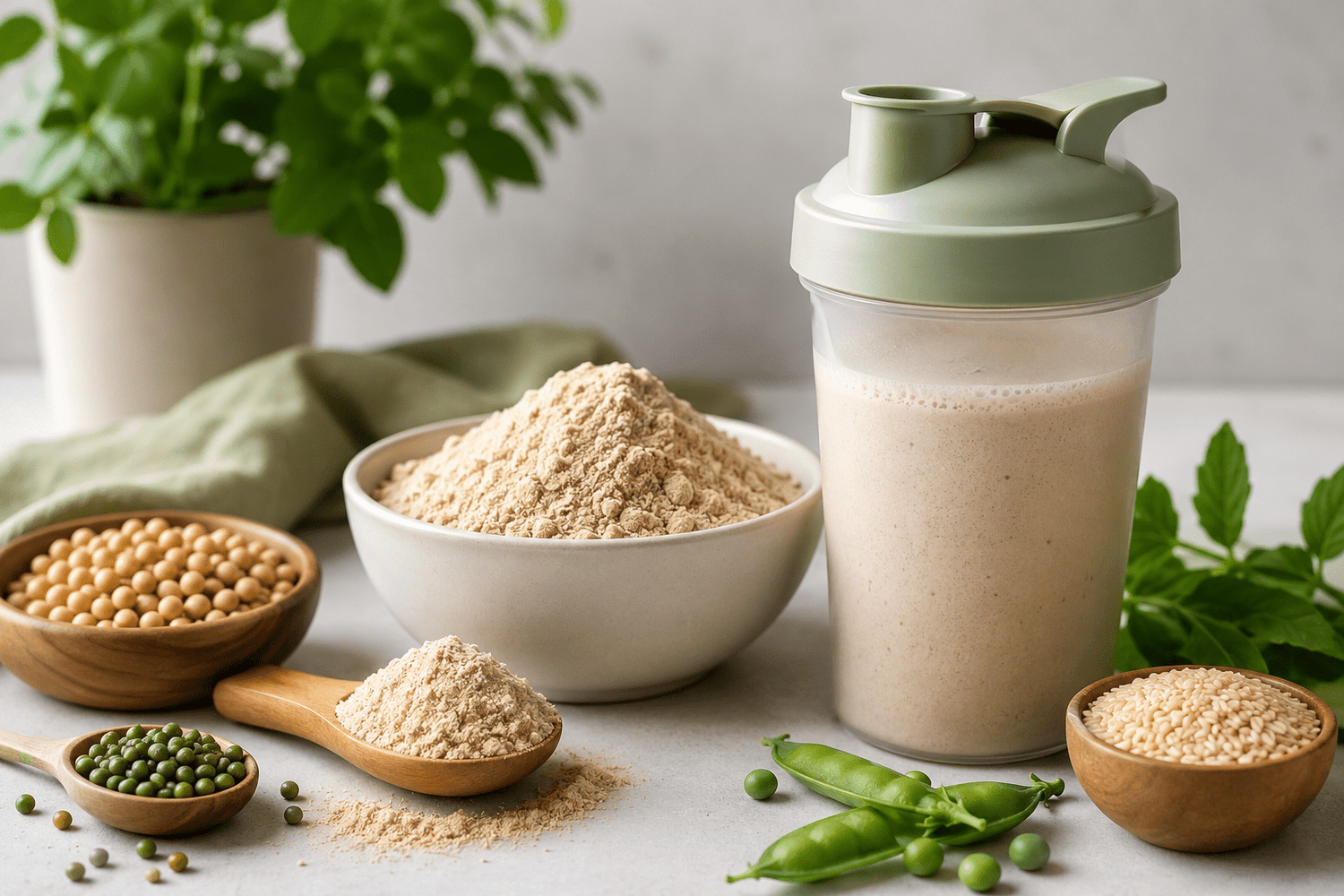
Plant-based protein powder is a dietary supplement made from protein-rich plants such as peas, soybeans, brown rice, hemp seeds, or pumpkin seeds. Many products combine two or more plant sources to provide a more balanced amino acid profile, making them a practical option for people following vegan, vegetarian, or dairy-free diets.
For most healthy adults, plant-based protein powder can be part of a balanced daily eating plan when used alongside whole foods. It offers a convenient way to increase protein intake after exercise, between meals, or during busy days when preparing protein-rich meals is difficult.
According to the Recommended Dietary Allowance established by the U.S. National Academies, the average healthy adult should consume 0.8 grams of protein per kilogram of body weight each day to meet basic nutritional needs.
While protein powders should not replace nutritious meals, they can help fill dietary gaps, especially for people with higher protein requirements or limited food choices.
How to Choose the Best Plant-Based Protein Powder for Daily Use
Choosing the best plant-based protein powder for daily use starts with understanding what separates a high-quality product from one that simply has attractive marketing.
Choose a High-Quality Protein Source
Different protein sources offer different nutritional benefits. Pea protein is popular because it contains a high amount of branched-chain amino acids that support muscle recovery. Soy protein is considered a complete protein because it naturally provides all nine essential amino acids. Brown rice protein is often blended with pea protein to improve overall protein quality, while hemp protein provides additional fiber and healthy fats.
According to the International Society of Sports Nutrition, consuming adequate high-quality protein throughout the day supports muscle protein synthesis and recovery when combined with regular exercise.
Rather than focusing on one ingredient alone, look for products that clearly identify their protein sources and explain why they are included. A transparent ingredient list often reflects a higher-quality product.
Check the Protein Content and Amino Acid Profile
A good plant-based protein powder should provide enough protein per serving to support your daily goals while also supplying essential amino acids. Many quality products offer between 20 and 30 grams of protein per scoop, although your ideal amount depends on your age, activity level, and overall diet.
Blended formulas that combine pea and rice proteins are often recommended because they complement each other's amino acid profiles, helping create a more complete protein source. This combination can be especially useful for people who rely heavily on plant foods for their daily nutrition.
Read the Ingredient List Carefully
The ingredient label can reveal whether a protein powder supports your health goals or simply contains unnecessary fillers. Look for products with a short ingredient list that focuses on protein sources and natural flavors instead of artificial colors, preservatives, or excessive sweeteners. If you prefer a cleaner formula, choose options without added sugars and check whether the product contains ingredients that may trigger allergies or digestive discomfort.
According to the American Heart Association, women should limit added sugar to no more than 25 grams per day, while men should stay below 36 grams. Choosing a protein powder with little or no added sugar can help you stay within these recommendations.
It is also worth checking whether the product is non-GMO, organic, or free from common allergens if those features are important to your dietary needs. While these labels do not automatically make a protein powder healthier, they can provide additional confidence depending on your preferences.
Look for Third-Party Testing
Third-party testing is one of the most important signs of a trustworthy supplement. Independent organizations evaluate products for purity, label accuracy, and potential contaminants. Certifications from respected testing programs show that a manufacturer is willing to verify its quality claims rather than relying solely on marketing.
According to the U.S. Food and Drug Administration, dietary supplements are not approved by the agency before they are sold, making independent quality testing especially valuable for consumers.
Another factor to consider is heavy metal testing. Because plants absorb minerals from the soil, some plant-based protein powders may contain trace amounts of heavy metals. Choosing brands that publish testing results or carry reputable third-party certifications can help reduce this concern.
Plant-Based Protein Powder vs. Whey: Which Is Better?
Many shoppers compare plant-based protein powder with whey before making a purchase. Both can support muscle recovery and help increase daily protein intake, but the better choice depends on your nutritional needs and lifestyle.
Whey protein is derived from milk and naturally contains all essential amino acids. It is often absorbed quickly, making it a popular option after exercise. However, it is not suitable for people with dairy allergies, lactose intolerance, or those following vegan diets.
Plant-based protein powder offers a dairy-free alternative that can still provide complete nutrition when formulated correctly. Blended plant proteins often deliver a balanced amino acid profile while adding fiber and other beneficial plant compounds that whey does not naturally provide.
According to a systematic review published in the journal Nutrients, plant protein can support improvements in muscle strength and body composition when total daily protein intake is sufficient.
For most people, the best plant-based protein powder for daily use is one that matches their dietary preferences, contains high-quality ingredients, and helps them consistently meet their protein requirements without unnecessary additives.
Common Mistakes to Avoid When Buying Plant-Based Protein Powder
One of the biggest mistakes is choosing a product based only on the protein content listed on the label. While a high protein amount is important, it should not come at the expense of ingredient quality. Products loaded with added sugars, artificial flavors, or unnecessary fillers may not be the best option for daily use.
Another common mistake is overlooking serving size. Two products may appear similar, but one may require a much larger scoop to deliver the same amount of protein. Always compare nutrition facts based on the serving size provided.
It is also easy to assume that every plant protein is complete. Some single-source proteins are lower in certain essential amino acids, which is why blended formulas are often a better choice for everyday nutrition.
Finally, avoid buying solely because of marketing claims. Instead, read the ingredient list, check for third-party testing, and compare products based on quality, transparency, and how well they fit your dietary needs.
Tips for Using Plant-Based Protein Powder Every Day
Plant-based protein powder works best as part of a balanced eating pattern rather than as a replacement for nutritious meals. You can blend it into smoothies, stir it into oatmeal, mix it with yogurt alternatives, or add it to homemade pancakes and energy bites. Pairing protein with fruits, vegetables, healthy fats, and whole grains creates more satisfying meals and provides a wider range of nutrients.
According to the Harvard T.H. Chan School of Public Health, obtaining protein from a variety of plant foods can provide additional fiber, vitamins, minerals, and beneficial plant compounds that support overall health.
Frequently Asked Questions
Is plant-based protein powder safe to use every day?
Yes. Most healthy adults can include plant-based protein powder in their daily routine when it complements a balanced diet and helps meet overall protein needs. Choosing products with clean ingredients and third-party testing provides additional confidence.
What is the healthiest plant-based protein powder?
The healthiest option depends on your goals, but products with high-quality protein sources, minimal added sugar, simple ingredient lists, and independent quality testing are generally the best choices for daily use.
Can plant-based protein powder help build muscle?
Yes. When combined with regular strength training and adequate total protein intake, plant-based protein powder can support muscle growth and recovery. Blended proteins or complete protein sources are particularly beneficial.
What ingredients should I avoid in plant-based protein powder?
Limit products that contain excessive added sugar, unnecessary fillers, artificial colors, or ingredients that trigger allergies or digestive discomfort. Reading the label carefully can help you make a better choice.
Conclusion
Choosing the best plant-based protein powder for daily use involves more than selecting the product with the highest protein content. A quality supplement should provide a reliable protein source, a balanced amino acid profile, clean ingredients, and independent testing for purity and safety. By comparing labels carefully and matching the product to your personal health goals, you can confidently choose a protein powder that supports your daily nutrition and fits your lifestyle for the long term.

Leave a comment
This site is protected by hCaptcha and the hCaptcha Privacy Policy and Terms of Service apply.