



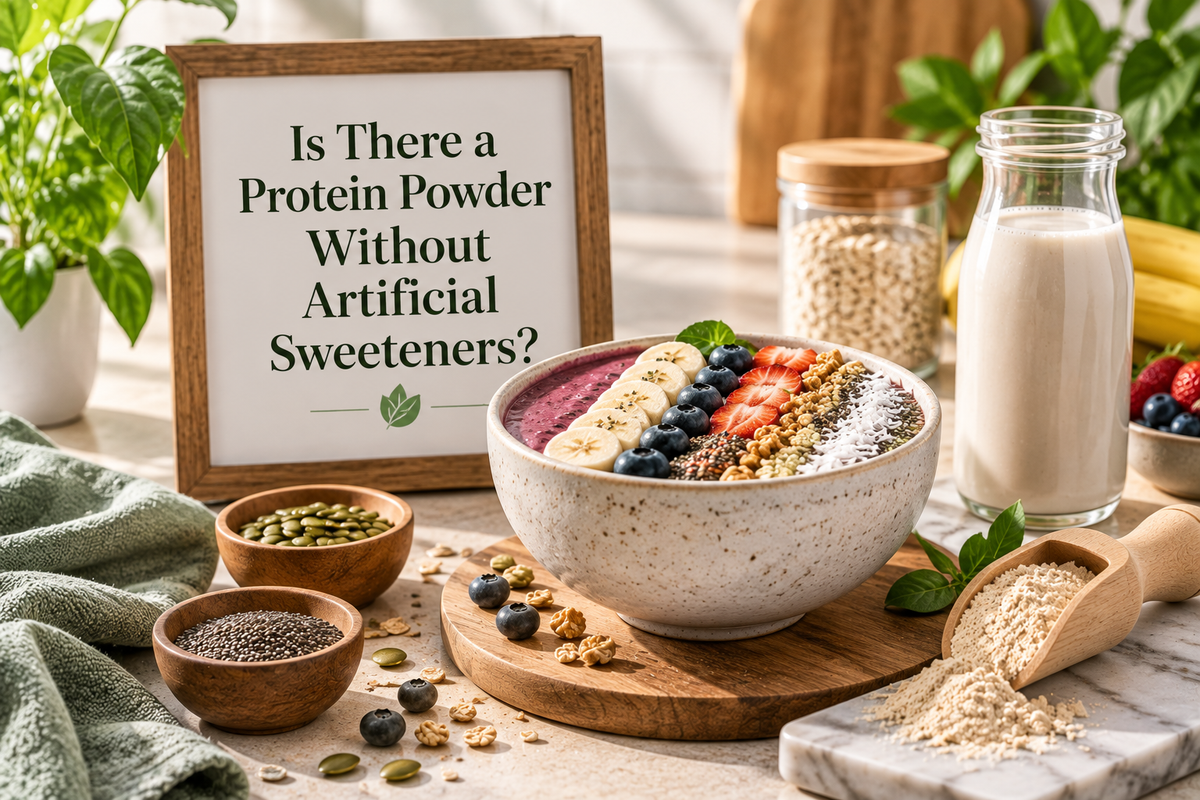
If you are looking for a protein powder without artificial sweeteners, the answer is yes. Protein powders can be formulated without sucralose, aspartame, and acesulfame potassium while still offering sweetness or no sweetness at all. The important part is learning how to read the ingredient list and understanding the difference between artificial sweeteners, plant-derived sweeteners, sugar alcohols, and added sugars. This guide explains what to look for and how to choose an everyday protein supplement.
Protein Powder Without Artificial Sweeteners
Protein powder does not need an artificial sweetener to provide protein. Sweeteners are generally added for flavor, while the protein itself is the nutritional purpose of the product.
According to the U.S. Food and Drug Administration, six high-intensity sweeteners are approved as food additives in the United States: saccharin, aspartame, acesulfame potassium, sucralose, neotame, and advantame. The FDA also notes that certain steviol glycosides and monk fruit extracts have received GRAS determinations for intended uses.
That list gives shoppers a starting point. If you want protein powder no artificial sweeteners, check the ingredient list rather than relying on words such as natural, clean, or sugar-free on the front of the package.
Avoiding artificial sweeteners is different from avoiding all sweeteners. An unflavored protein powder suits someone who wants no sweetening ingredient, while a naturally sweetened powder suits someone who still wants flavor.
Why Protein Powder Contains Artificial Sweeteners
Protein powders are often flavored because concentrated protein ingredients can have noticeable flavors. Sweeteners can make a shake more enjoyable without adding much sugar.
That is why shoppers may find sucralose, stevia, monk fruit, or other sweeteners in similar-looking products.
The presence of a sweetener does not automatically mean a product is unhealthy. The FDA considers approved high-intensity sweeteners safe for the general population under specified conditions of use. Choosing to avoid them can still be a personal preference.
Artificial Sweeteners in Protein Powder
If you want to avoid artificial sweeteners, learn the names that appear on labels. Sucralose, aspartame, and acesulfame potassium are common examples, along with saccharin, neotame, and advantame.
When comparing protein powders, check the ingredients. A sugar-free product is not automatically free from sucralose, and natural does not necessarily mean unsweetened.
Which Protein Powder Has No Sucralose?
If you want protein powder without sucralose, choose a product whose ingredient list does not contain sucralose. You may find naturally sweetened, unsweetened, and unflavored options.
Monk fruit can provide sweetness without sucralose. If you want no sweetener, choose an unflavored protein powder.
Protein Powder Without Aspartame
The same label-reading method works when searching for protein powder without aspartame. If aspartame is not listed, the product does not use it as an ingredient.
The question is whether aspartame matches your preferences. If you want to avoid it, identify it on the label and choose another formulation.
The same principle applies when looking for protein powder without acesulfame potassium, often called Ace-K.
How to Read Protein Powder Ingredients
A protein powder label can tell you much more than whether it contains artificial sweeteners. It can reveal the protein source, added sugars, non-caloric sweeteners, flavors, thickeners, and other ingredients.
Harvard T.H. Chan School of Public Health explains that protein powders can come from milk, eggs, or plants and may contain added sugars, non-caloric sweeteners, thickeners, vitamins, minerals, and artificial flavoring. Harvard recommends reading nutrition and ingredient labels before choosing a product.
That advice makes the decision much clearer. If you want a clean protein powder without artificial sweeteners, evaluate the complete formula rather than focusing on one ingredient.
Sugar-Free Protein Powder vs. Naturally Sweetened Protein Powder
Sugar-free and naturally sweetened do not mean the same thing. A sugar-free protein powder can contain a non-sugar sweetener, while a naturally sweetened protein powder may use monk fruit or stevia instead of added sugar.
For that reason, reading the full label matters more than a single front-of-package claim. The terms sugar-free, naturally sweetened, unsweetened, and artificial-sweetener-free describe different choices for different personal preferences.
Sweetener choice should not distract from the product's primary purpose. First consider whether the protein powder helps you meet your protein needs, then decide whether its sweetener and ingredient list match your preferences.
The World Health Organization recommends against using non-sugar sweeteners as a strategy for controlling body weight or reducing disease risk. The recommendation is conditional and concerns long-term outcomes, not a claim that approved sweeteners are unsafe.
This is useful context because choosing protein powder without artificial sweeteners does not require claiming those ingredients are inherently dangerous. People can make ingredient choices based on taste, preference, dietary goals, or a desire for a simpler formula.
Is Monk Fruit an Artificial Sweetener?
Monk fruit is not generally classified as an artificial sweetener. It comes from Siraitia grosvenorii, also known as Luo Han Guo. Health Canada lists monk fruit extract as a permitted sweetener for specified uses.
This makes monk fruit relevant for people seeking sweetness without sucralose or aspartame.
However, natural does not automatically mean better for every person. The more useful question is whether the ingredient fits your preferences and whether the complete product has the protein amount and formulation you want.
Protein Powder With Monk Fruit
Monk fruit can be useful in plant protein because it provides sweetness without requiring traditional added sugar.
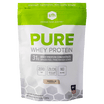
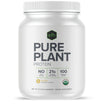
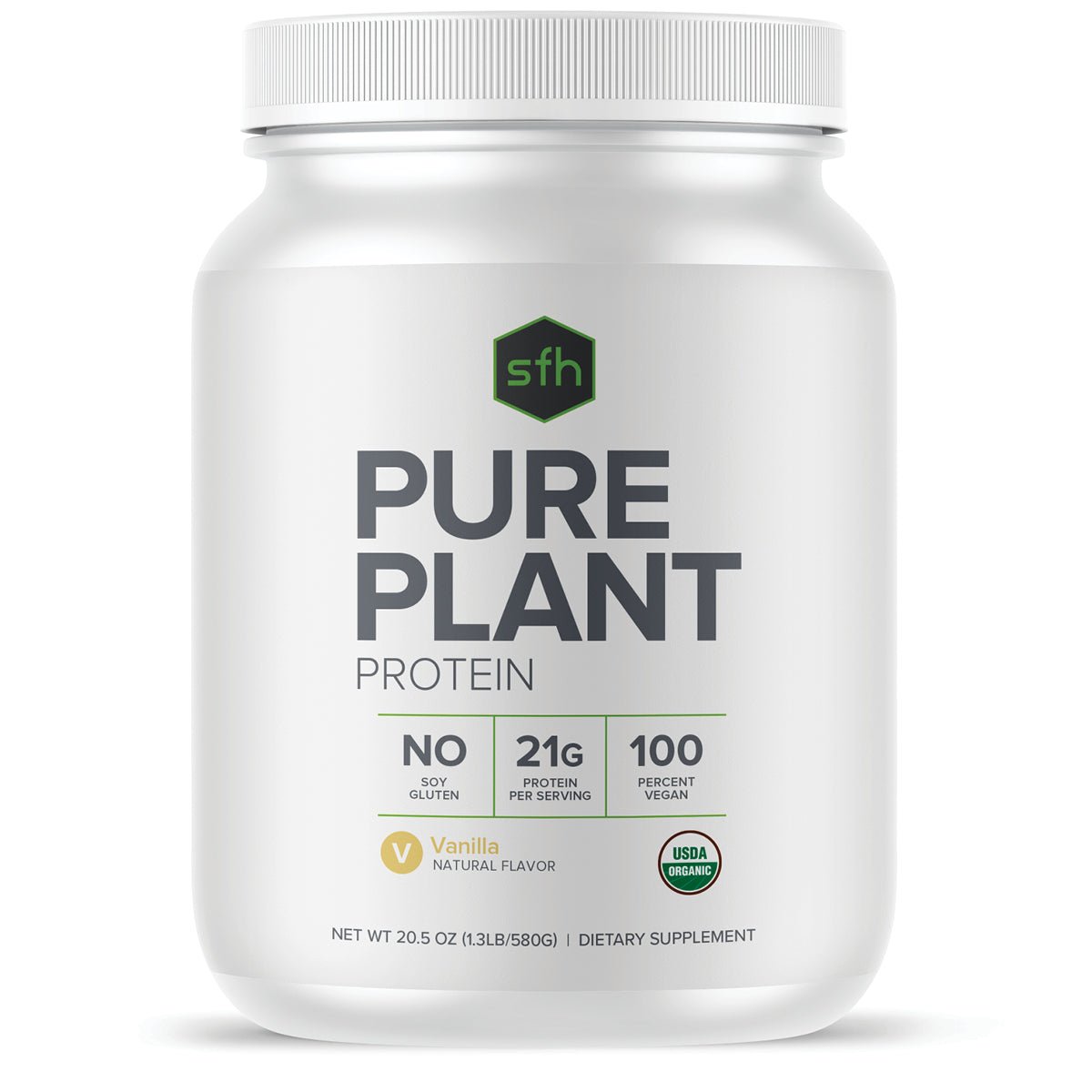
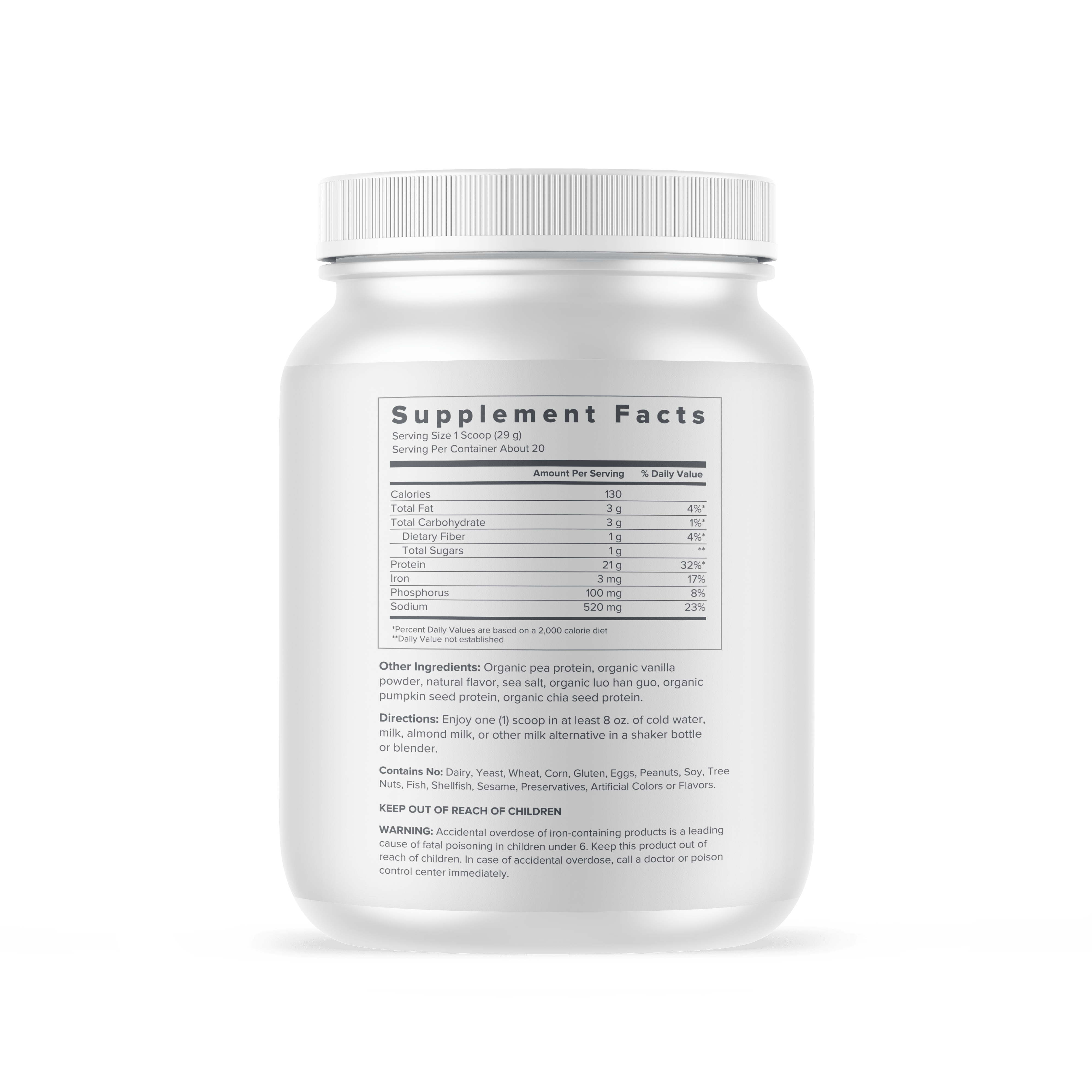
SFH PURE PLANT provides 21 grams of organic plant-based protein per serving from pea, pumpkin seed, and chia seed proteins and is naturally sweetened with organic monk fruit. That makes it relevant to people searching for plant protein without artificial sweeteners who want a flavored option rather than an entirely unflavored powder.
You do not have to choose between an artificial sweetener and a flavorless shake. Different formulations use different approaches to sweetness.
Protein Powder Without Stevia
Some shoppers want protein powder without stevia as well as without artificial sweeteners. Stevia is plant-derived, but it is still a high-intensity sweetener.
If you want to avoid stevia, check the ingredient list for steviol glycosides or stevia-derived ingredients. Then look for an alternative such as monk fruit or choose an unsweetened protein powder.
Is Stevia an Artificial Sweetener?
Stevia is not an artificial sweetener in the conventional sense. The FDA describes certain purified steviol glycosides as high-intensity sweeteners obtained from the stevia plant.
The distinction matters because some people avoid artificial sweeteners while still choosing stevia, while others avoid all high-intensity sweeteners.
Unsweetened Protein Powder and Unflavored Protein Powder
If your goal is to avoid every type of sweetener, look for an unsweetened protein powder or an unflavored plant protein.
These options work well in smoothies, oatmeal, or recipes where you control the taste. They also suit people searching for protein powder without sweeteners, protein powder without sugar alcohols, or protein powder without erythritol.
An unflavored formula can make ingredient checking straightforward, but it may not be as convenient for someone who wants a ready-to-mix shake with a pleasant flavor.
Plant Protein Without Artificial Sweeteners
Plant protein is a strong option for people searching for protein powder without artificial sweeteners. It is also relevant to searches for dairy free protein powder without artificial sweeteners and vegan protein without artificial sweeteners. Pea, pumpkin seed, chia, rice, soy, and hemp proteins can all be used in plant-based formulas.
According to the International Society of Sports Nutrition, exercising individuals generally benefit from about 1.4 to 2.0 grams of protein per kilogram of body weight per day, with needs depending on goals and training.
That context keeps the focus where it belongs. A protein powder should first provide meaningful protein. Sweetener choice is one part of deciding whether the formula suits you.
Clean Protein Powder Without Artificial Sweeteners
Clean protein powder is a popular search term, but clean is not a regulated nutritional category. Look instead for qualities you can verify, such as a transparent ingredient list, a preferred protein source, no artificial sweeteners, or a naturally sweetened formula.
This gives you specific criteria for comparing products. The same approach works when evaluating a protein powder without artificial sweeteners for daily use.
Protein Powder Without Artificial Sweeteners for Daily Use
If you plan to use protein powder regularly, consider protein amount, flavor, ingredients, dietary needs, and convenience.
SFH PURE PLANT offers 21 grams of organic plant protein per serving from pea, pumpkin seed, and chia seed proteins, with organic monk fruit for sweetness. It provides a practical option for people who want plant protein without artificial sweeteners while still choosing a flavored formula.
Frequently Asked Questions
Is there a protein powder without artificial sweeteners?
Yes. Many protein powders are made without artificial sweeteners. Look for products using monk fruit, stevia, another preferred sweetener, or no sweetener.
What protein powder has no sucralose?
Look for a product whose ingredient list does not contain sucralose. Naturally sweetened and unflavored protein powders can be alternatives.
Is monk fruit an artificial sweetener?
No. Monk fruit is fruit-derived. Health Canada permits monk fruit extract as a sweetener for specified uses.
Is stevia an artificial sweetener?
No. Stevia-derived steviol glycosides are plant-derived high-intensity sweeteners, distinct from artificial sweeteners such as sucralose and aspartame.
Does sugar-free protein powder contain artificial sweeteners?
It can. 'Sugar-free' describes the sugar content, not necessarily the sweetener. Always check the ingredient list.
The Bottom Line
There are many ways to choose a protein powder without artificial sweeteners. The key is to look beyond the front label.
If you want sweetness, a naturally sweetened protein powder with monk fruit may suit you. If you want to avoid all sweeteners, an unsweetened or unflavored protein powder may be a better fit. If you choose plant protein, consider its source and protein amount.
For people seeking an organic plant-based option, SFH PURE PLANT provides 21 grams of protein per serving from pea, pumpkin seed, and chia seed proteins, with organic monk fruit for sweetness. The best overall choice is the formula that meets your protein needs and fits your ingredient preferences.


Leave a comment
This site is protected by hCaptcha and the hCaptcha Privacy Policy and Terms of Service apply.