








What Science Says About NAD+ Supplements and Healthy Aging: Evidence-Based Benefits

Aging is inevitable, but how we age is increasingly understood to be influenced by cellular processes. One of the key molecules drawing attention in the longevity world is NAD+, a coenzyme essential for metabolic function, DNA repair, and cellular health. As we age, NAD+ levels decline, a phenomenon now linked to many age-associated declines in health.
This article reviews what current scientific studies on NAD+ supplements reveal about their effectiveness, safety, and role in healthy aging. It highlights current findings, promising leads, and existing gaps in our understanding, all backed by clinical research on NAD+ supplements. For a detailed overview of what NAD+ is and how it functions, see our article on What Is NAD⁺?.
The Science Behind NAD+ and Aging
NAD+ (nicotinamide adenine dinucleotide) is a molecule found in every cell, essential for producing energy and maintaining normal cellular functions. It plays a pivotal role in cellular metabolism, DNA repair, and mitochondrial aging, which are all tightly linked to the biology of aging.
According to Nature, levels of NAD+ decline significantly with age in tissues critical to energy metabolism, such as muscle, liver, and brain. This drop is thought to be a contributing factor to metabolic aging, mitochondrial dysfunction, and increased oxidative stress, all of which are hallmarks of the aging process.
Additionally, NAD+ is required for the activity of sirtuins, a class of proteins involved in longevity pathways and stress resistance. These findings form the basis of the science of NAD+ and aging, suggesting that restoring NAD+ levels might support healthier aging. NAD+ plays a central role in the activation of enzymes that control gene expression and cellular stress responses. This means that higher NAD+ levels might improve the cell's ability to recover from damage and maintain proper function over time.
Furthermore, studies also show that reduced NAD+ contributes to neurodegenerative conditions, including Alzheimer’s and Parkinson’s disease. These links make NAD+ not just a molecule of interest for general aging, but also for age-related disease prevention and cognitive health support.
What Research Says About NAD+ Supplementation
Increased NAD+ Levels in Human Studies
A growing body of clinical research on NAD+ supplements shows that precursors like nicotinamide riboside (NR) and nicotinamide mononucleotide (NMN) can significantly increase NAD+ levels in the body.
A study published on PMC found that supplementation with NR led to sustained increases in blood NAD+ metabolites in healthy middle-aged and older adults. Other human trials of NAD+ benefits have confirmed safety and tolerability, with doses up to 1,000 mg/day showing no serious adverse effects (sciexplor.com).
What Evidence Suggests About Functional Benefits
While NAD+ boosters clearly increase levels in the body, what about actual benefits?
Some studies indicate potential improvements in insulin sensitivity, cholesterol levels, and other metabolic markers, especially in individuals with metabolic disorders.
However, results are inconsistent. For example, this ScienceDirect review notes that while some early trials report improved markers of metabolic function, others show no measurable changes in healthy individuals.
Emerging data also suggest possible cognitive benefits, improved energy metabolism, and reduced inflammatory responses, although much of this evidence still comes from animal models or small-scale human trials.
In mice, NAD+ precursors have been shown to enhance DNA repair, improve mitochondrial function, and even extend lifespan. Translating this into proven human benefits, however, remains a major challenge in NAD+ anti-aging research.
Some pilot studies have explored how NMN supplementation affects vascular health and muscle performance in aging adults. For example, a small clinical trial published in Endocrine Journal found that older men who received NMN had improved muscle insulin sensitivity after 10 weeks.
These preliminary findings support further investigation into how NAD+ affects age-related metabolic decline.
There is also early evidence that NAD+ and metabolic aging may be closely linked.
A study published in Cell Reports showed that increasing NAD+ levels can reverse age-associated mitochondrial dysfunction in mice. While this is not direct human evidence, it adds to the body of work supporting the potential of NAD+ supplements in maintaining energy homeostasis and slowing cellular deterioration.
Limitations and Scientific Uncertainties
While the evidence-based NAD anti-aging narrative is compelling, it is critical to understand the current scientific limitations. There are still no large, long-term NAD+ clinical trials on aging that conclusively prove these supplements can slow or reverse aging in humans.
Some trials show promising results on energy and metabolism, while others find no significant improvement in physical function or muscle strength (Examine.com).
According to PMC, much of the excitement stems from animal studies and small human trials with short durations. Larger, more robust trials are needed to determine efficacy, optimal dosing, and which populations benefit most.
Experts have expressed caution.
A Guardian article highlighted skepticism in the scientific community, urging consumers to recognize the complexity of aging biology.
Another important limitation is variability between individual responses. Genetic factors, baseline NAD+ levels, lifestyle, and age can all influence how someone might respond to supplementation. This makes it difficult to offer universal guidance or expectations on benefits.
How NAD+ Supplements Compare With Lifestyle Interventions
No supplement exists in a vacuum. While research on NAD and longevity is advancing, proven longevity strategies like regular exercise, a whole-foods diet, stress reduction, and quality sleep remain the cornerstones of healthy aging.
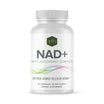
That said, NAD+ supplements like SFH’s NAD+ product may complement these efforts, especially for individuals seeking a proactive approach to biological aging and cellular health.
As Medical News Today notes in their overview of NAD+, “Supplementation should be seen as part of a holistic strategy,” not a standalone solution.
In fact, several studies suggest that lifestyle interventions such as intermittent fasting, caloric restriction, and exercise naturally raise NAD+ levels. Pairing these with supplementation could potentially enhance outcomes, although this synergistic effect still requires scientific validation.
Safety and Considerations Based on Science
So far, scientific studies on NAD+ supplements have shown favorable safety profiles. NR and NMN have been studied in doses ranging from 100 mg to 1,200 mg per day, with human trials on NAD+ benefits confirming they are generally well tolerated.
According to sciexplor.com, mild side effects like nausea or flushing are rare and typically dose-dependent.
Nonetheless, individuals should always consult healthcare professionals before starting any supplement regimen, especially those with pre-existing conditions.
And while animal studies are useful, their direct relevance to humans is often limited, as emphasized in this MDPI review.
There are also quality control issues to consider. Not all NAD+ supplements on the market are created equal.
Products may vary in terms of bioavailability, formulation, and purity. Choosing a reputable brand that do third-party testing, like SFH’s NAD+ supplement, is essential to ensure efficacy and safety.
Conclusion
The science of NAD+ and aging is both exciting and evolving. Clinical research on NAD+ supplements shows clear evidence that precursors like NMN and NR can raise NAD+ levels in humans, and they are safe for use in studied doses.
However, definitive proof that these supplements can slow aging, improve longevity, or reverse age-related decline in humans is still lacking. That said, the existing data suggest they could play a valuable role when combined with healthy lifestyle habits.
Products like SFH’s NAD+ supplement offer a science-aligned option for individuals interested in supporting their cellular metabolism, DNA repair, and mitochondrial function.
FAQs
What does science say about NAD+ supplements and aging?
Science shows NAD+ precursors can increase NAD+ levels, but human benefits beyond that remain under study.
Do NAD+ boosters slow down aging?
Animal studies suggest they might, but human evidence is still inconclusive.
Are NAD+ supplements proven by research?
They are proven to boost NAD+ levels safely. Broader anti-aging effects need more research.
Are NAD+ supplements safe based on studies?
Yes, most human trials report they are well tolerated up to studied doses.