
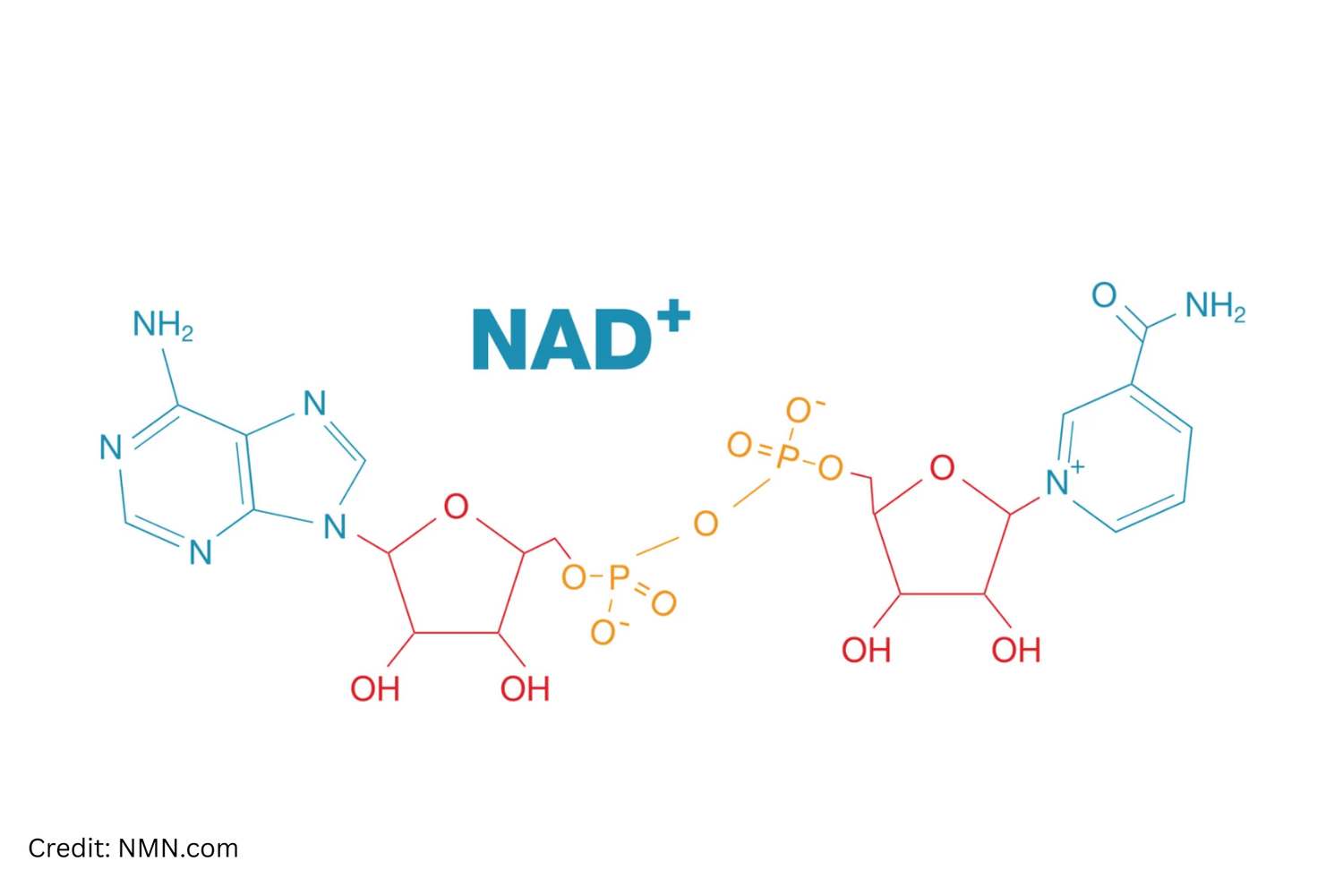
Nicotinamide adenine dinucleotide (NAD+) is a coenzyme found in every living cell. It plays a crucial role in cellular energy production, metabolism, and DNA repair. Without sufficient NAD+, cells cannot efficiently convert nutrients into usable energy.
Scientists have discovered that NAD levels decline naturally with age. Research published in Cell Metabolism shows that decreasing NAD availability is associated with changes in mitochondrial function and cellular metabolism over time.
Because NAD participates in hundreds of metabolic reactions, declining levels may influence how the body feels and performs. Many people searching online about low NAD symptoms or NAD deficiency symptoms are trying to understand whether their energy levels, cognitive function, or recovery capacity could be linked to NAD metabolism.
Below are seven common signs of low NAD levels that may suggest your body’s cellular energy systems need support.
Sign #1: Persistent Fatigue and Low Energy
One of the most commonly reported sisgns of low NAD is persistent fatigue or low energy levels. NAD plays a central role in mitochondrial metabolism, which is responsible for producing ATP, the primary energy currency used by cells.
When NAD availability declines, mitochondria may become less efficient at producing energy. This can lead to feelings of tiredness that are not always resolved by rest or sleep.
Research published in Nature Reviews Molecular Cell Biology describes NAD+ as a key metabolic regulator that supports mitochondrial function and energy production.
When cellular energy production becomes less efficient, individuals may experience:
- persistent tiredness
- lower motivation
- reduced daily productivity
- decreased physical endurance
People searching for low NAD fatigue often report feeling exhausted even after getting adequate sleep or following a healthy lifestyle.
Over time, persistent fatigue may affect work performance, exercise routines, and overall well-being. Because NAD supports mitochondrial energy pathways, maintaining healthy NAD levels may help support consistent cellular energy production throughout the day.
Sign #2: Brain Fog and Difficulty Concentrating
Another potential sign of low NAD levels is brain fog or reduced mental clarity.
The brain is one of the most energy-demanding organs in the body. It requires a continuous supply of ATP to maintain normal neurological function, including memory, attention, and decision-making.
A study published in Nature Communications found that NAD metabolism influences neuronal repair and cellular stress responses in the brain.
When NAD levels decline, some individuals may experience:
- difficulty concentrating
- slower thinking
- mental fatigue
- reduced focus
Many people researching NAD brain fog are trying to understand why their mental clarity declines during periods of fatigue or metabolic stress.
Because the brain relies heavily on mitochondrial energy metabolism, maintaining healthy NAD availability may help support normal cognitive performance and neurological resilience.
Sign #3: Reduced Physical Stamina
Another potential low NAD sign is reduced physical stamina or endurance.
During exercise, muscles rely on metabolic pathways such as glycolysis and oxidative phosphorylation to generate ATP. NAD molecules play a crucial role in transferring electrons during these reactions.
Research published in Science demonstrated that increasing NAD availability improved mitochondrial function and muscle performance in experimental models.
When NAD levels decline, people may notice:
- quicker muscle fatigue
- lower endurance during exercise
- decreased ability to sustain workouts
- reduced physical performance
This is why athletes and fitness enthusiasts often research NAD stamina and NAD energy metabolism when exploring ways to support performance and recovery.
Maintaining healthy cellular energy pathways may help support physical activity and overall vitality.
Sign #4: Slower Recovery After Exercise
Recovery is another process that depends heavily on cellular energy and repair mechanisms.
After intense exercise, muscles must repair tissue damage, clear metabolic waste, and restore cellular balance. NAD participates in biochemical pathways involved in DNA repair and oxidative stress regulation.
A review published in Trends in Cell Biology explains that NAD acts as a critical cofactor for enzymes responsible for cellular repair and stress response systems.
When NAD availability decreases, some people may experience:
- prolonged muscle soreness
- slower recovery after workouts
- increased fatigue between training sessions
Individuals searching NAD muscle recovery are often investigating how cellular metabolism influences the body’s ability to repair and adapt after exercise.
Supporting metabolic pathways that rely on NAD may help maintain efficient recovery processes.
Sign #5: Sleep Disturbances
NAD metabolism is closely connected to circadian rhythms, the biological systems that regulate the sleep-wake cycle.
NAD interacts with proteins called sirtuins that help regulate circadian metabolic processes and cellular timing systems.
A study published in Science found that NAD levels fluctuate throughout the day and play a role in regulating circadian rhythms.
When NAD regulation becomes disrupted, some individuals may experience:
- difficulty falling asleep
- irregular sleep cycles
- waking up feeling unrested
People researching NAD sleep quality often explore how cellular energy metabolism influences circadian biology.
Maintaining consistent sleep habits and metabolic health may support stable circadian rhythms.
Sign #6: Mood Changes and Irritability
Mood and emotional stability depend on many biological processes, including neurotransmitter production and cellular energy metabolism.
Because NAD supports mitochondrial energy production in neurons, changes in NAD availability may influence neurological processes that regulate mood.
A review published in Frontiers in Aging Neuroscience highlights the role of NAD metabolism in maintaining neuronal resilience and brain health.
Some individuals experiencing low NAD symptoms report:
- irritability
- reduced motivation
- emotional fatigue
Maintaining balanced cellular metabolism may help support healthy neurological function and emotional well-being.
Sign #7: Reduced Metabolic Efficiency
NAD is essential for metabolic pathways that convert nutrients into usable cellular energy.
It participates in enzymatic reactions responsible for metabolizing carbohydrates, fats, and proteins.
When NAD availability declines, metabolic efficiency may decrease, which can affect how the body processes nutrients and produces energy.
People researching how to know if NAD is low sometimes report symptoms such as:
- reduced vitality
- sluggish metabolism
- lower physical resilience
Supporting metabolic health may help maintain the enzymatic pathways that rely on NAD for efficient energy production.
How to Support Healthy NAD Levels
If you recognize several signs of low NAD levels, certain lifestyle strategies may help support NAD metabolism.
Regular Exercise
Physical activity stimulates mitochondrial function and activates metabolic pathways that depend on NAD. Both aerobic exercise and resistance training have been associated with improved cellular energy metabolism.
Quality Sleep
Maintaining consistent sleep schedules helps regulate circadian rhythms that influence metabolic processes related to NAD.
Balanced Nutrition
Vitamin B3 nutrients, such as niacin play an important role in the biochemical pathways that produce NAD. Consuming a balanced diet helps support these metabolic systems.
NAD Supplementation
Some individuals choose supplementation as part of their strategy to support NAD metabolism and mitochondrial energy production.
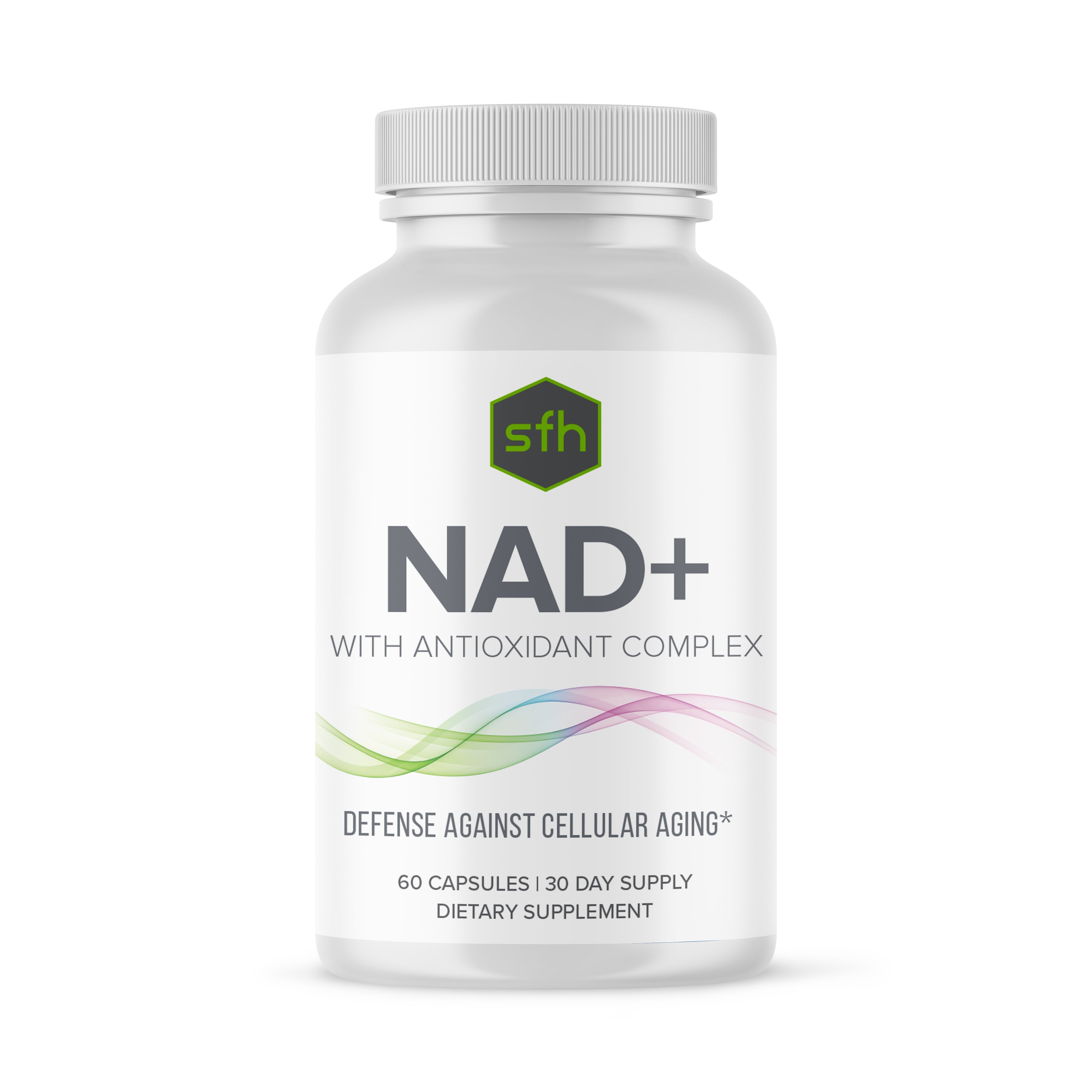
One option is the SFH NAD supplement. Combining supplementation with healthy lifestyle habits may help support cellular energy systems and metabolic balance.
FAQ
What are the signs of low NAD levels?
Potential signs of low NAD levels may include fatigue, brain fog, reduced stamina, slower recovery after exercise, sleep disturbances, mood changes, and reduced metabolic efficiency.
Can low NAD cause fatigue?
Yes. NAD plays an essential role in mitochondrial energy production. When NAD availability declines, cellular energy production may decrease, which can contribute to fatigue.
How do you increase NAD levels?
Lifestyle habits such as regular exercise, healthy sleep patterns, balanced nutrition, and supplementation may help support NAD levels naturally.
Do NAD supplements increase NAD levels?
Some research suggests NAD-related compounds can increase NAD availability in the body, although individual responses may vary.
Conclusion
Understanding the signs of low NAD levels can provide valuable insight into how cellular energy metabolism influences overall health and performance. Because NAD+ supports mitochondrial function, DNA repair, metabolism, and brain activity, declining levels may affect multiple systems throughout the body.
Signs such as fatigue, brain fog, reduced stamina, slower recovery, sleep disturbances, mood changes, and metabolic sluggishness may sometimes reflect changes in cellular energy production. While these signs can arise from many factors, maintaining healthy NAD metabolism is an important aspect of supporting long-term vitality.
Lifestyle habits such as regular physical activity, consistent sleep schedules, balanced nutrition, and metabolic health can all contribute to maintaining NAD availability. For individuals looking for additional support, supplementation may also play a role in supporting the cellular pathways that rely on NAD for energy production.
Disclaimer: These statements have not been evaluated by the Food and Drug Administration. Products are not intended to diagnose, treat, cure, or prevent any disease.



Leave a comment
This site is protected by hCaptcha and the hCaptcha Privacy Policy and Terms of Service apply.