

If you have been asking when to take creatine, you are not alone. This is one of the most searched questions in fitness because people want a simple rule that will help them build muscle faster. The problem is that the internet usually turns a useful supplement into a dramatic timing debate. One side says pre-workout creatine is best. Another says post-workout creatine is the only smart choice. Others claim morning or night matters more. In reality, the best answer is more practical than that. This article explains what creatine timing really means for muscle growth, how daily use fits into a training plan, and what current evidence suggests about workout timing, rest days, and dosage. You will also see why consistency matters, where timing may still help, and how to build a routine that supports strength, recovery, and long-term progress without making your supplement plan complicated.
When Is the Best Time to Take Creatine for Maximum Muscle Growth?
The best time to take creatine for maximum muscle growth is the time you can repeat consistently. That sounds less exciting than a “perfect anabolic window,” but it matches how creatine actually works. Creatine is not a stimulant that depends on a quick hit right before a lift. It works by gradually saturating muscle stores, which is why good routines beat dramatic timing hacks.
For that reason, creatine timing should be viewed as a practical question, not a magic trick. If taking creatine after training helps you remember it, that is a strong option. If breakfast is the only time you never miss, that may be even better. The real goal is to make taking creatine daily easy enough that you do it on training days and on rest days without overthinking it.
A recent review on supplements for hypertrophy made an important point that fits this topic well: creatine appears to contribute to hypertrophy mainly indirectly, by helping training quality and volume, and the benefits show up over adequately long, progressive training, not because of one perfectly timed serving. That is exactly why the ideal time to take creatine is the time that supports long-term compliance.
Is It Better to Take Creatine Before or After Workout?
This is the question that drives most of the search traffic: creatine before or after a workout. People want a winner. The honest answer is that both pre-workout creatine and post-workout creatine can work, but post-workout use is often easier to stick with because it naturally pairs with a meal, shake, or cooldown routine.
That matters because the evidence on muscle growth keeps pointing back to consistent exposure over time. A 2025 systematic review and dose-response meta-analysis pooling 61 trials found that creatine supplementation increased fat-free mass by 1.39 kg and body mass by 0.89 kg overall. That is useful because it shows creatine can support body-composition changes during resistance training, but those gains come from ongoing use across weeks, not from perfectly choosing one side of the workout. In other words, the bigger question is not just taking creatine before or after workout, but whether you are taking it often enough to stay saturated while training hard.
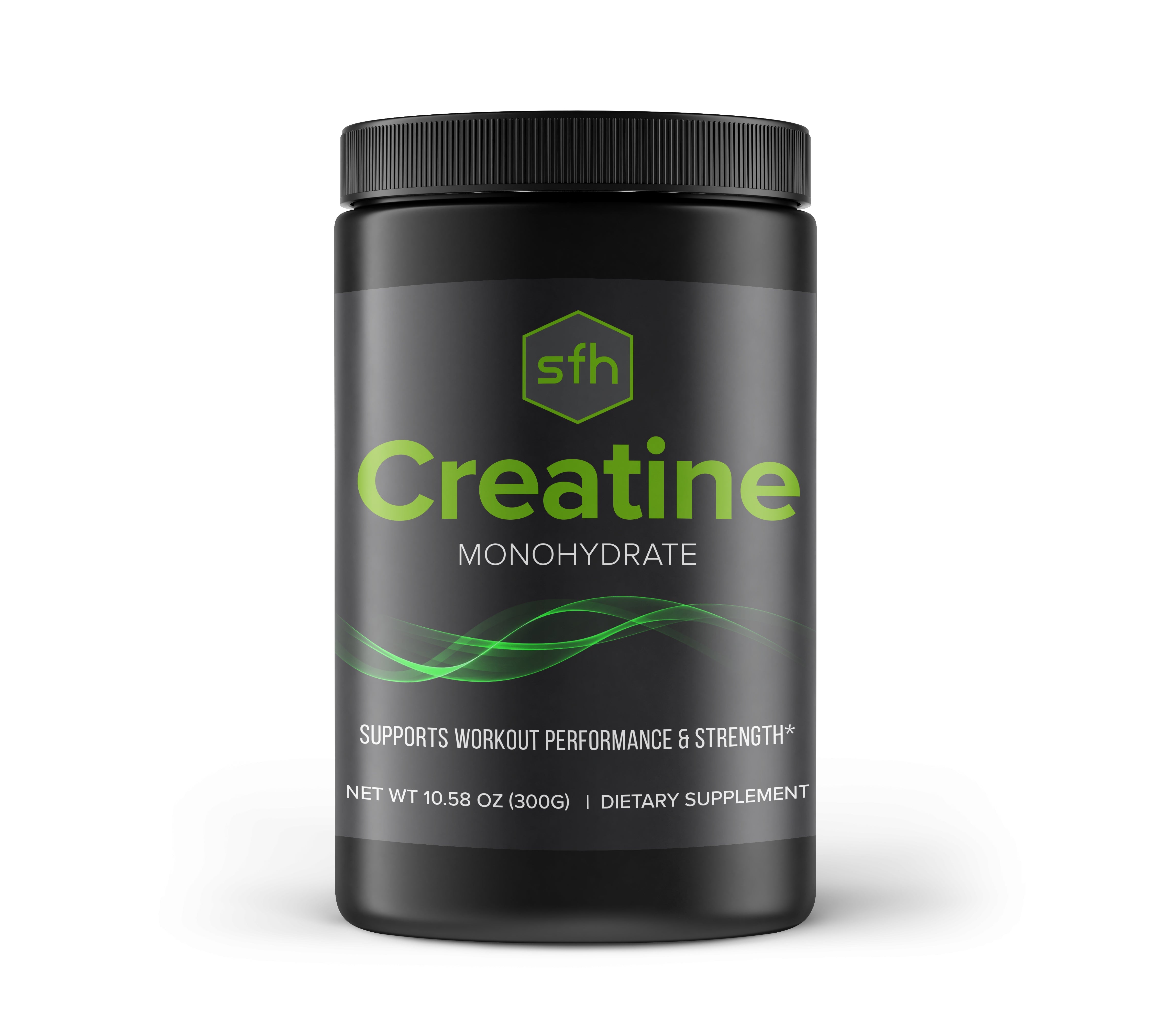
So, is it better to take creatine before or after workout? If your routine is already built around a post-workout shake, take creatine after workout. If you train early and tend to forget later, take creatine before workout. The difference is probably smaller than people think, while the consistency gap can be huge. This is where a product like SFH Creatine fits naturally. If you already use a simple post-workout shake, adding SFH Creatine there can turn good intentions into an actual daily habit.
Should I Take Creatine on Rest Days?
Yes, you should take creatine on rest days if your goal is muscle growth. This matters because many people still treat creatine like a workout-only supplement, but that is not how it is typically used in research or in practice.
A recent Frontiers review summarizing current best practice explains that creatine monohydrate is commonly used either as a loading phase of 0.3 g/kg/day for 5 to 7 days followed by 0.05 to 0.15 g/kg/day, or as a lower daily intake over a longer period. Those protocols are designed to build and maintain muscle saturation over time, which is why rest-day use still matters.
In simple terms, creatine works best when your intake is consistent. Taking it only on workout days can make that harder to maintain. If your goal is maximum muscle growth, daily use is the more reliable strategy. The best time to take creatine on rest days is simply whenever you are least likely to forget it. Breakfast, lunch, or dinner can all work. The exact hour matters less than sticking to the routine.
What Is the Best Time of Day to Take Creatine?
There is no strong case that morning always beats night, or that night always beats morning. The better question is which part of your day is stable enough to support compliance. That is why the best time of day to take creatine is usually a lifestyle question more than a physiology question.
If you train in the afternoon, post-workout use makes sense. If you train at random times, you may be better off tying creatine to a fixed daily anchor like breakfast. If you are someone who likes systems, think in terms of habit stacking. Pair it with the meal or shake you almost never skip. That is also the easiest way to use SFH Creatine naturally. Instead of trying to outsmart the clock, attach SFH Creatine to one repeatable moment in your day, then let the routine do the heavy lifting.
How Much Creatine Should I Take for Muscle Growth?
If your goal is maximum muscle growth, dosage matters more than chasing a trendy timing trick. A 2025 randomized controlled trial helps explain why. After a 7-day wash-in, the creatine group gained 0.51 ± 1.79 kg more lean body mass than controls. But after the following 12 weeks of resistance training, both groups gained about 2 kg, with no between-group difference in lean body mass growth. That finding is important because it reminds us that early scale or lean-mass changes can be influenced by water and short-term saturation effects, while long-term muscle gain is more complicated than “creatine equals instant extra size.”
That does not mean creatine is useless. It means you should think about it correctly. Creatine supports the training process. It can help you perform better, recover between efforts, and potentially accumulate more quality work over time. But it does not override poor programming, inconsistent training, or low protein intake.
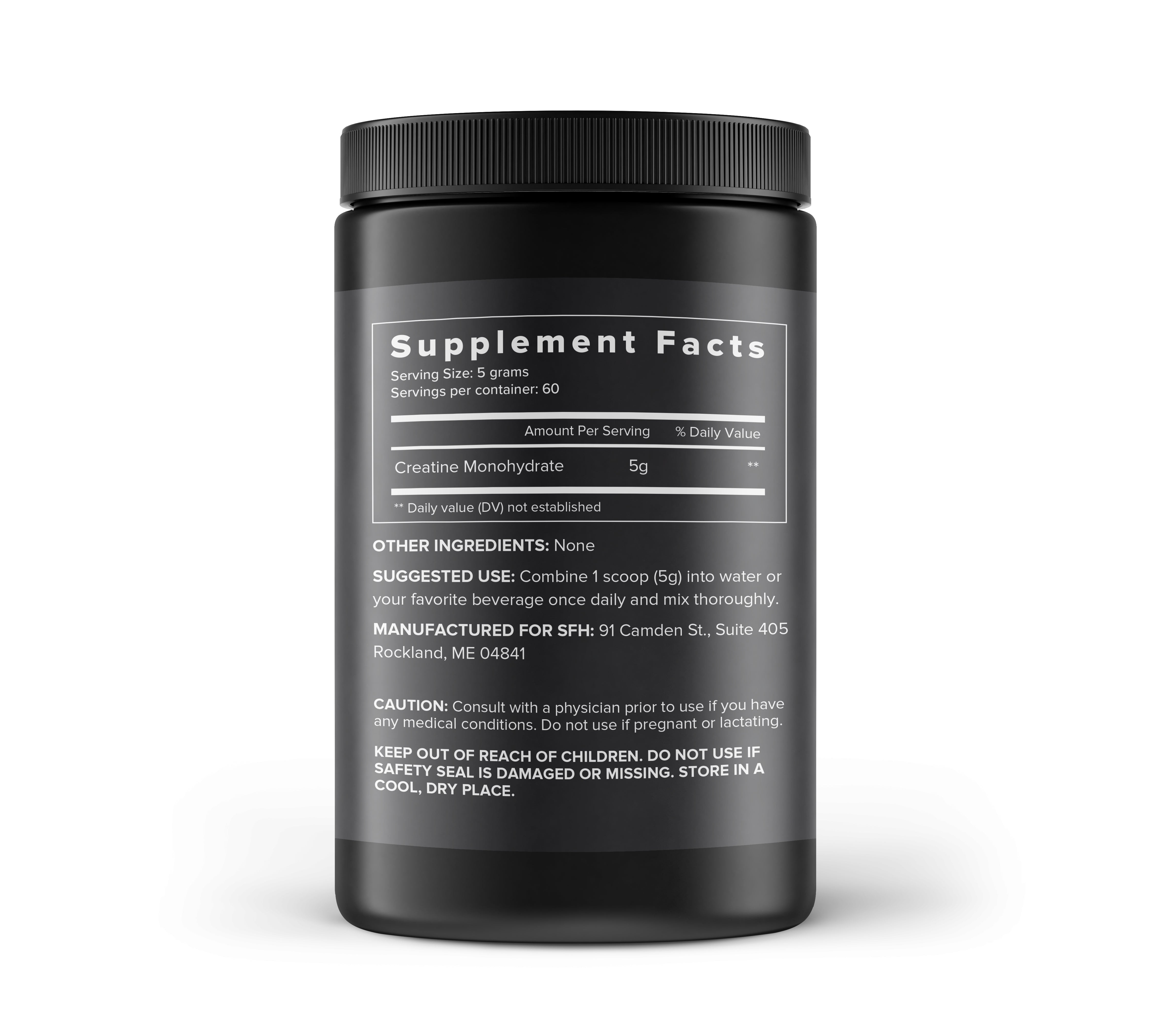
For most people, a simple maintenance intake of 3 to 5 grams per day remains the practical sweet spot in real-world use. If you want faster saturation, a creatine loading phase is an option. If you want a gentler start, steady daily use works too. The best creatine dosage for muscle growth is the one you can tolerate and keep using.
Does Creatine Actually Improve Strength and Training Performance?
Yes, and this is where the overall value of creatine becomes clearer. Even when the timing debate gets noisy, the bigger body of evidence still shows performance benefits. A 2025 meta-analysis reported that creatine supplementation significantly improved muscle strength in the general population, with an overall standardized mean difference of 0.451. This shows a meaningful effect that supports the idea that creatine can help people train better over time.
A separate 2024 meta-analysis adds useful detail: when creatine was combined with resistance training, it improved upper-body and lower-body strength in adults under 50, with greater benefits seen in the younger adult group. That matters for anyone searching for the best time to take creatine for muscle growth, because it shifts attention back to the real point. Creatine supports the work that builds muscle. The reason people care about when to take creatine is not because timing itself is magical. It is because better training quality, repeated over months, is what creates growth.
So if you are asking if creatine timing matters for muscle growth, the best answer is this: timing can help if it improves adherence, but the larger payoff comes from taking creatine consistently enough to support better training over time.
How Should I Take SFH Creatine for Muscle Growth?
If you want the best way to take creatine, keep it simple. Use creatine monohydrate, take it every day, and connect it to a routine you already follow. For many people, the easiest plan is one serving after training and one serving at the same daily time on rest days. That removes decision fatigue and keeps you from turning supplementation into a guessing game.
A straightforward product like SFH Creatine works best when it is treated like part of a repeatable system, not a miracle shortcut. Put it next to your shaker bottle, your breakfast setup, or your gym bag. The simpler the behavior, the more likely you are to stay consistent, and consistency is what this whole topic keeps coming back to.
FAQ
When Should I Take Creatine for Muscle Growth?
Take it at the time you are most likely to remember every day. Around your workout is a solid option, but consistency matters more than chasing a perfect minute.
Should I Take Creatine Before or After a Workout?
Either can work. If post-workout use fits your routine better, go with that. If pre-workout is easier to remember, that is fine too.
Should I Take Creatine on Non-Workout Days?
Yes. Creatine works best when you keep your intake consistent, including rest days.
How Much Creatine Should I Take Each Day?
Most people use 3 to 5 grams daily. A loading phase is optional, not mandatory.
What Type of Creatine Is Best for Muscle Growth?
Creatine monohydrate is still the standard choice because it is the form used most often in research and in practical training settings.
Conclusion
The best time to take creatine for maximum muscle growth is not a dramatic secret. It is the time that makes daily use realistic. That is why the smartest answer to best time to take creatine, when to take creatine, and creatine before or after workout is usually the same: choose the timing you can follow consistently. Recent research paints a clear picture. Creatine can improve strength, support gains in fat-free mass, and help the training process that drives hypertrophy. At the same time, newer studies also remind us not to oversell it. Creatine is supportive, not magical. It works best when it is combined with progressive resistance training, enough recovery, and a routine you can sustain. So if you want a practical strategy, take creatine daily, keep rest days in the plan, and stop chasing a mythical perfect window. Build a routine, stick to it, and let the training do its job.
Disclaimer: These statements have not been evaluated by the Food and Drug Administration. Products are not intended to diagnose, treat, cure, or prevent any disease.



Leave a comment
This site is protected by hCaptcha and the hCaptcha Privacy Policy and Terms of Service apply.