





CoQ10 has become one of the most popular supplements for people looking to support their energy levels, heart health, and overall wellness. Naturally produced by the body, this nutrient plays an important role in helping cells generate the energy needed for everyday function. Because of its connection to cellular energy, many people wonder whether it is something they should take every day or only when they feel they need extra support.
The good news is that CoQ10 is commonly used as a daily supplement. However, understanding how to use it correctly is just as important as choosing the right product. Factors such as dosage, consistency, timing, and quality all influence how CoQ10 fits into your long-term wellness routine. This guide explains what current research says about daily use, who may benefit, and how to get the most from your supplement.
Can You Take CoQ10 Every Day?
Yes. Many healthy adults take CoQ10 every day as part of their wellness routine. Unlike supplements that are intended for occasional use, CoQ10 is commonly taken consistently because it supports ongoing cellular processes rather than providing an immediate effect.
According to the National Center for Complementary and Integrative Health (NCCIH), CoQ10 is naturally present in the body and helps produce energy within cells. It is found in the mitochondria, often referred to as the powerhouses of the cell, where it plays a role in generating adenosine triphosphate (ATP), the body's primary source of cellular energy.
Because CoQ10 is already part of normal human biology, many people choose to supplement daily as part of a broader approach to supporting healthy aging, heart function, and everyday vitality.
Rather than expecting immediate results after a single serving, think of CoQ10 as a supplement designed to work through consistent daily use alongside a balanced lifestyle.
Why Consistency Matters
Taking CoQ10 regularly is generally more beneficial than using it only occasionally. Your body's cells depend on a steady supply of CoQ10 to help support normal energy production, and maintaining a consistent intake is often the approach used in clinical research.
According to the National Institutes of Health Office of Dietary Supplements, CoQ10 functions both as an antioxidant and as a key participant in mitochondrial energy production, helping cells generate ATP while protecting them from oxidative stress.
Since these processes occur continuously, many healthcare professionals recommend taking CoQ10 consistently rather than only when feeling tired.
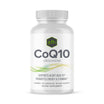
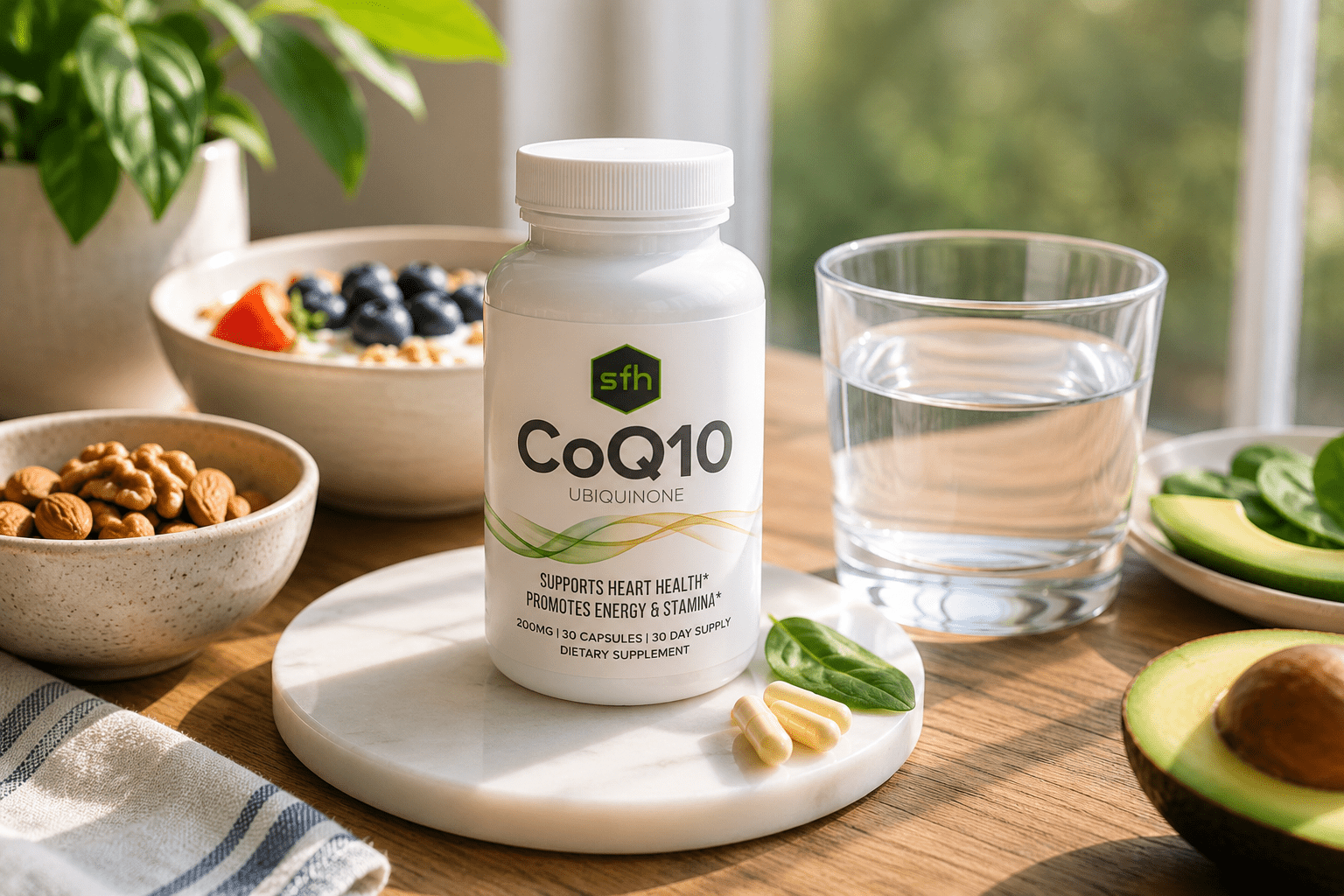
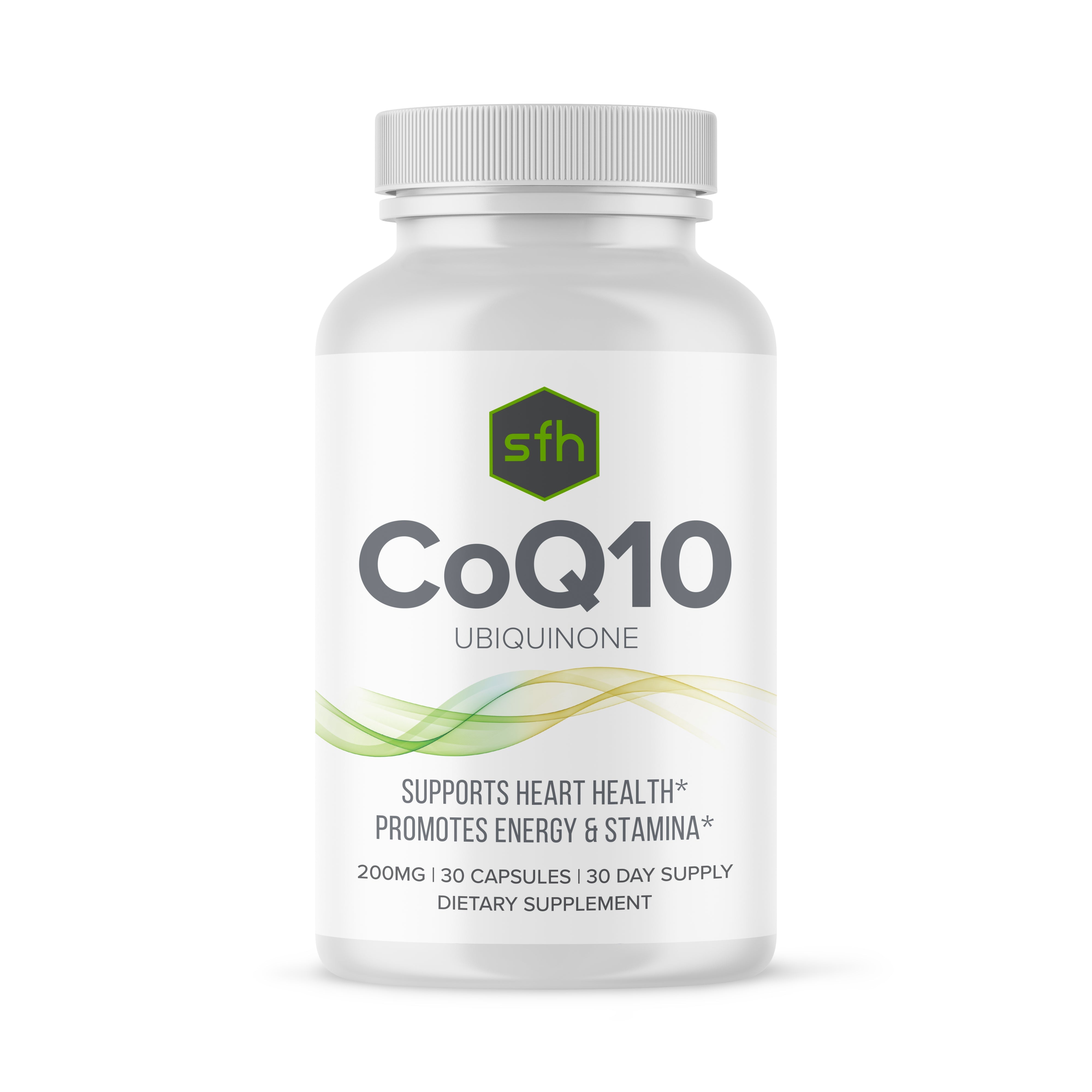
For people building a long-term wellness routine, a high-quality daily supplement can make that consistency easier. SFH CoQ10 Supplement provides 200 milligrams of CoQ10 in the ubiquinone form, making it a practical option for individuals looking to include CoQ10 in their everyday supplement routine without adding unnecessary complexity.
Consistency should also extend beyond supplementation. A nutritious diet, regular physical activity, quality sleep, and stress management all contribute to healthy energy production and overall wellness.
How Much CoQ10 Should You Take Daily?
One of the most common questions is whether there is an ideal daily dosage.
The answer depends on the individual and the reason for supplementation. Different clinical studies have evaluated a wide range of daily intakes, and there is no single amount that applies to everyone.
For many adults, following the serving instructions on a reputable supplement is the most practical starting point unless a healthcare professional recommends otherwise.
A product providing 200 milligrams of ubiquinone, such as SFH CoQ10 Supplement, fits comfortably within the range commonly found in daily CoQ10 products designed for ongoing wellness support.
According to the Mayo Clinic, CoQ10 supplements are generally well tolerated by most healthy adults, although they may interact with certain medications, particularly blood-thinning medicines. Anyone taking prescription medications or managing a medical condition should discuss supplementation with a qualified healthcare professional before beginning daily use.
This highlights why choosing the correct dosage is only part of the decision. Understanding your personal health circumstances is equally important.
Does Age Affect Your CoQ10 Needs?
Age is one reason many people begin looking into CoQ10 supplementation.
Natural CoQ10 production gradually changes over time, which has contributed to growing interest in daily supplementation among older adults who want to support healthy aging and maintain normal cellular energy production.
According to the Cleveland Clinic, the body's natural levels of CoQ10 decline with age, making supplementation an area of interest for people looking to support heart health and overall wellness as they get older.
Although aging does not automatically mean someone needs a supplement, understanding this natural change helps explain why CoQ10 is often included in long-term wellness routines. The goal is not to replace healthy habits but to complement them with consistent nutritional support when appropriate.
What Is the Best Time to Take CoQ10?
If you plan to take CoQ10 every day, timing can help you get the most from your supplement. Although there is no single "perfect" time that works for everyone, many people prefer taking CoQ10 with breakfast or lunch because these meals often contain some healthy fat.
According to the National Institutes of Health Office of Dietary Supplements, CoQ10 is a fat-soluble compound, meaning it is generally absorbed better when taken with a meal that contains fat.
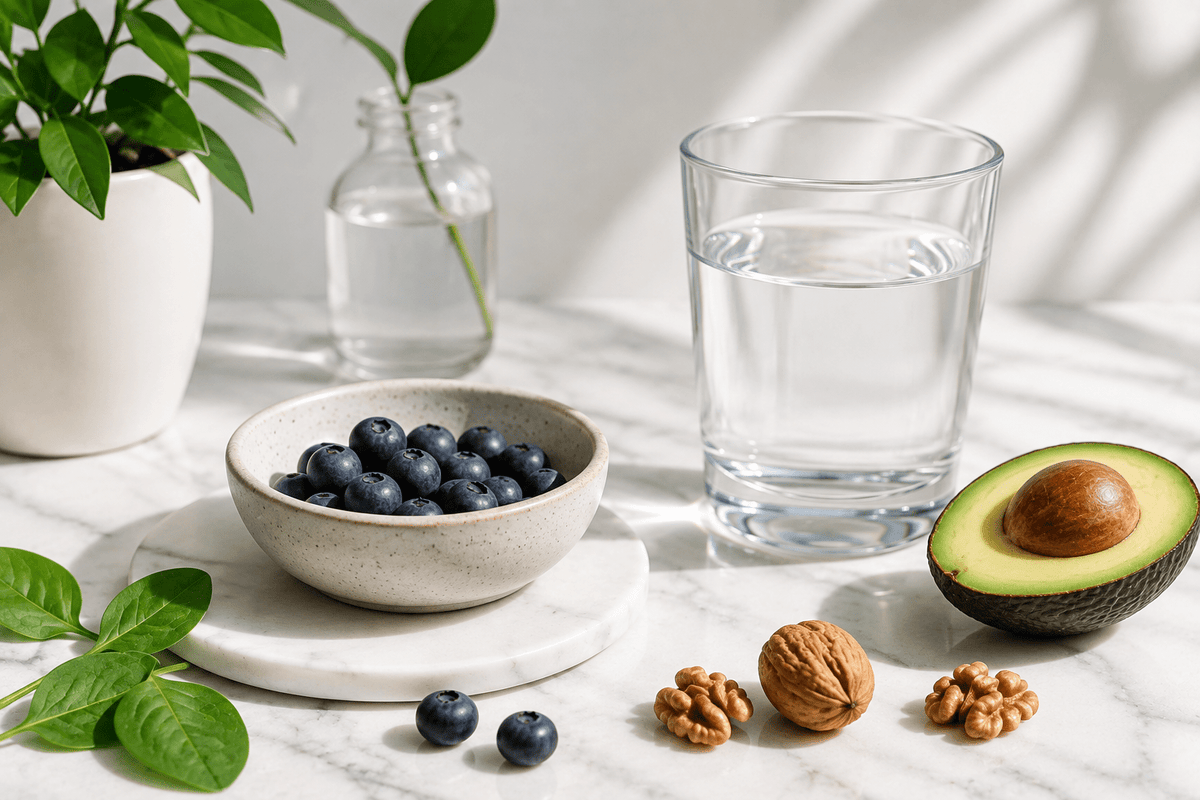
A breakfast that includes eggs, avocado, yogurt, nuts, or nut butter, or a lunch containing olive oil, fish, or seeds, can be a practical time to take your supplement. The most important habit, however, is consistency. Taking CoQ10 at approximately the same time each day makes it easier to remember and helps establish a sustainable wellness routine.
Who May Benefit From Daily CoQ10?
People choose CoQ10 supplements for many different reasons. While individual needs vary, daily supplementation is commonly used by adults who want additional support for cellular energy production, heart health, and healthy aging.
You may consider discussing CoQ10 with your healthcare provider if you are:
· Looking to support everyday energy production
· Interested in maintaining heart health as part of a healthy lifestyle
· Focused on healthy aging
· Physically active and looking to support recovery alongside proper nutrition
· Building a long-term wellness routine
These goals should always be viewed within the context of a balanced diet, regular exercise, sufficient sleep, and routine medical care.
Are There Any Safety Considerations?
For most healthy adults, CoQ10 has a well-established safety profile when used appropriately. Even so, it is important to remember that supplements are not one-size-fits-all.
Some people may experience mild digestive symptoms, while others may need to avoid supplementation because of interactions with medications or specific medical conditions.
If you are pregnant, breastfeeding, taking prescription medications, or managing a chronic health condition, consult your healthcare provider before starting any new supplement.
Reading the Supplement Facts panel and following the manufacturer's serving recommendations also helps ensure you use the product as intended.
How to Choose a Daily CoQ10 Supplement
Not all CoQ10 supplements are identical. Looking beyond the front label can help you select a product that fits your daily wellness routine.
When comparing products, consider:
· The amount of CoQ10 per serving
· The form of CoQ10 used
· A transparent ingredient list
· Quality manufacturing standards
· Clear serving instructions
For example, SFH CoQ10 Supplement provides 200 milligrams of CoQ10 in the ubiquinone form, making it a straightforward option for people who want a consistent daily supplement focused on energy production, heart health, and antioxidant support. Instead of choosing a product based only on marketing claims, compare the label, serving size, and ingredient transparency before making your decision.
Frequently Asked Questions
Can you take CoQ10 every day?
Yes. Many healthy adults include CoQ10 in their daily supplement routine. Consistent use is common because CoQ10 supports ongoing cellular energy production rather than providing an immediate effect.
Is 200 milligrams of CoQ10 a good daily amount?
A daily serving of 200 milligrams is commonly found in many CoQ10 supplements. The right amount depends on your individual circumstances and any guidance provided by your healthcare professional.
Should CoQ10 be taken with food?
Yes. Because CoQ10 is fat soluble, taking it with a meal containing healthy fats may improve absorption.
How long can you take CoQ10?
Many people use CoQ10 as part of a long-term wellness routine. If you have questions about prolonged supplementation or take prescription medications, consult your healthcare provider.
What should I look for in a CoQ10 supplement?
Choose a supplement with a clearly stated dosage, transparent ingredients, quality manufacturing practices, and serving instructions that fit your daily routine. SFH CoQ10 Supplement is one example of a product that combines a practical 200 milligram serving of ubiquinone with a simple approach to daily supplementation.
Conclusion
So, can you take CoQ10 every day? For many healthy adults, the answer is yes. Daily supplementation is a common way to support the body's natural energy production, heart health, and antioxidant defenses when combined with healthy lifestyle habits. The key is consistency, choosing a quality supplement, and following the recommended serving instructions. Whether your goal is supporting healthy aging, maintaining everyday vitality, or strengthening your overall wellness routine, CoQ10 can be a valuable addition when used thoughtfully and as part of a balanced approach to health.

Leave a comment
This site is protected by hCaptcha and the hCaptcha Privacy Policy and Terms of Service apply.