





Plant-based protein powder is one of the easiest ways to increase your daily protein intake, whether your goal is building muscle, supporting recovery, maintaining an active lifestyle, or simply eating more balanced meals. As more people switch to plant-based nutrition, one question continues to come up: how much plant-based protein powder should you take per day?
The answer is not the same for everyone. Your ideal intake depends on factors such as your age, activity level, body weight, overall diet, and fitness goals. While protein powder can make it easier to reach your daily target, it should complement a balanced diet rather than replace whole foods entirely. Understanding how much protein you actually need helps you use supplements effectively without taking more than necessary.
Why Your Daily Protein Intake Matters?
Protein plays a vital role in nearly every part of the body. It helps build and repair muscle tissue, supports immune function, contributes to healthy skin and hair, and assists in the production of enzymes and hormones.
Your body also stores very little protein compared with carbohydrates and fat. That means regular intake throughout the day is important for maintaining normal body functions and supporting muscle recovery after exercise.
According to the Dietary Guidelines for Americans 2025–2030, healthy eating patterns should include nutrient-dense foods that help people meet their individual nutritional needs while supporting long-term health.
Protein powder can be a practical addition to that eating pattern, especially for busy adults who sometimes struggle to consume enough protein through food alone.
How Much Protein Do Most Adults Need?
Before deciding how much plant-based protein powder to use, it helps to understand your daily protein requirement.
According to the Recommended Dietary Allowance (RDA) established by the National Academies of Sciences, Engineering, and Medicine, the average healthy adult needs approximately 0.8 grams of protein per kilogram of body weight each day to meet basic nutritional requirements.
For example:
· 60 kg (132 lb): about 48 grams daily
· 70 kg (154 lb): about 56 grams daily
· 80 kg (176 lb): about 64 grams daily
· 90 kg (198 lb): about 72 grams daily
These recommendations represent the minimum amount needed for general health. They are not necessarily the ideal target for highly active individuals, athletes, or people working toward muscle growth.
Active Adults Often Need More Protein
Exercise increases the body's need for protein because muscles require amino acids for repair and adaptation after training.
According to the International Society of Sports Nutrition, physically active individuals generally benefit from consuming 1.4 to 2.0 grams of protein per kilogram of body weight per day to support training, recovery, and muscle maintenance.
Someone weighing 70 kilograms may therefore require between 98 and 140 grams of protein each day, depending on training intensity and overall goals.
This does not mean all of that protein should come from supplements. Whole foods should remain the primary source, while protein powder fills the gaps when needed.
How Much Plant-Based Protein Powder Should You Take Per Day?
Instead of focusing on the number of scoops, think about your total daily protein intake.
Begin by estimating how much protein you already consume through meals and snacks. Then determine how much additional protein you need to reach your daily goal.
For many adults, one serving of plant-based protein powder each day is enough to close that gap.
Others, particularly athletes or individuals with higher protein needs, may use two servings spread throughout the day.
According to the Harvard T.H. Chan School of Public Health, protein foods differ not only in protein content but also in the nutrients they provide alongside protein, including healthy fats, vitamins, minerals, and fiber.
This is one reason whole foods should remain the foundation of your diet. Protein powder is most effective when it supplements balanced meals rather than replacing them entirely.
One Scoop or Two?
Most plant-based protein powders provide approximately 20 to 25 grams of protein per serving, although this varies by product.
If your meals already contain plenty of protein, one daily serving is often sufficient.
However, if you regularly train, have limited time to prepare meals, or follow a fully plant-based diet, two servings may fit comfortably into your nutrition plan.
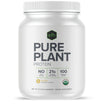
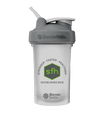
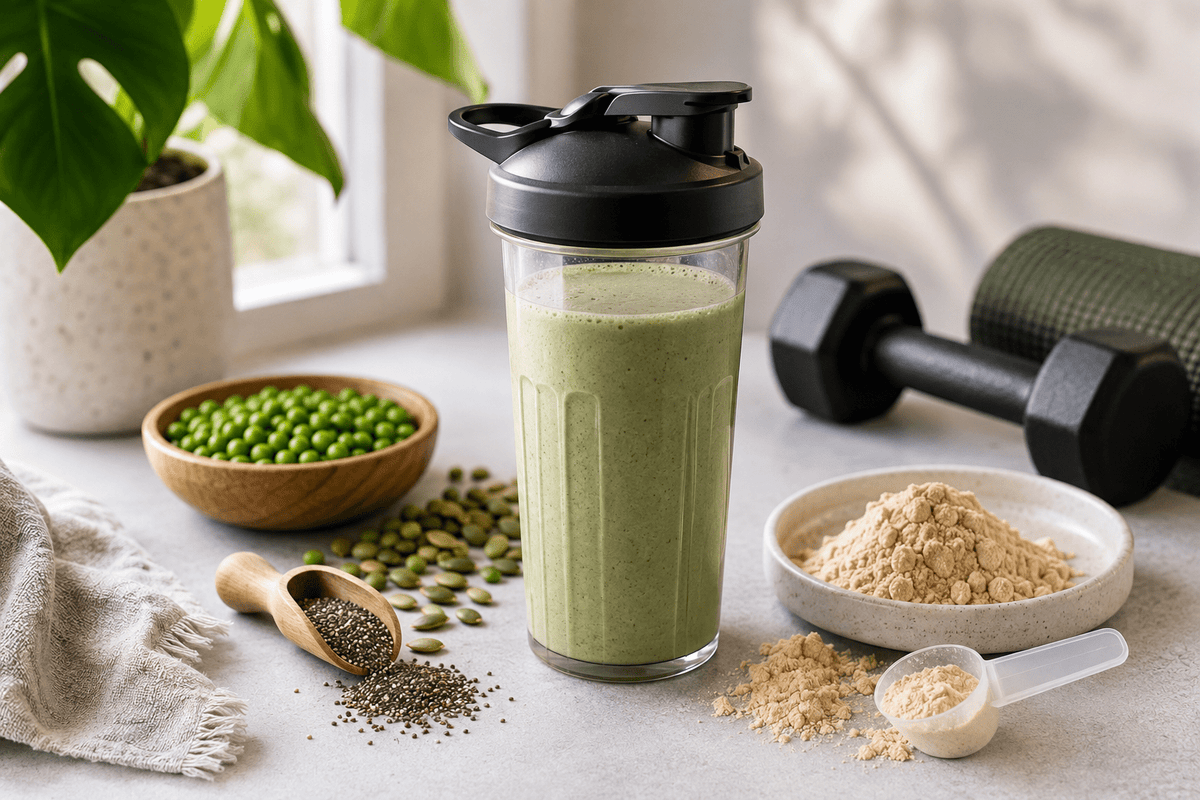
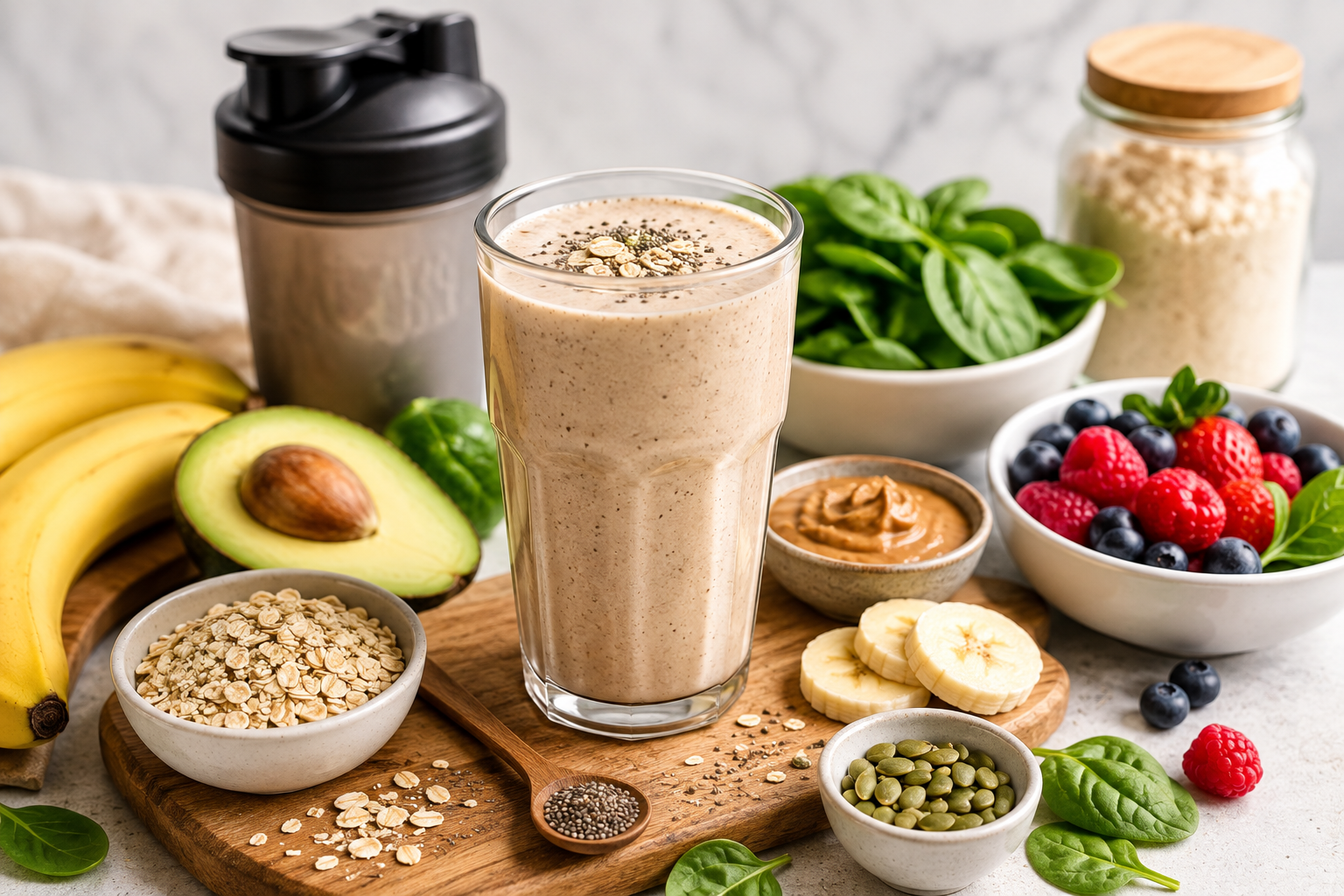
For example, SFH PURE PLANT can be used as a convenient morning smoothie or post-workout shake to help bridge the gap between your daily protein intake and your personal protein goal. Rather than replacing healthy meals, it works best as part of an overall balanced eating pattern that includes fruits, vegetables, whole grains, and healthy fats.
When Should You Drink Plant-Based Protein Powder?
The timing of your protein intake is less important than consistently meeting your daily protein goal, but spreading protein throughout the day can make it easier to support muscle maintenance and recovery.
Many people enjoy a plant-based protein shake:
· With breakfast
· After strength training
· Between meals as a protein-rich snack
· During busy workdays when preparing a meal is difficult
Rather than consuming a large amount of protein in one sitting, distributing it across multiple meals may help your body use it more effectively while making it easier to meet your daily target.
According to the International Society of Sports Nutrition, consuming 20 to 40 grams of high-quality protein per serving helps maximize muscle protein synthesis for most active adults.
For many people, one serving of plant-based protein powder fits comfortably within that recommended range.
Can You Take Plant-Based Protein Powder Every Day?
Yes. Plant-based protein powder can be part of a healthy daily routine when it complements a balanced diet.
It is especially useful for:
· Busy professionals
· Athletes
· Older adults with increased protein needs
· Vegetarians
· Vegans
· People looking to increase protein intake without relying solely on animal products
The important point is that supplements should supplement your diet rather than replace nutrient-rich whole foods.
According to the World Health Organization (WHO), a healthy diet includes a variety of fruits, vegetables, legumes, whole grains, nuts, seeds, and quality protein sources to help meet nutritional needs throughout life.
A balanced eating pattern provides vitamins, minerals, healthy fats, fiber, and other nutrients that protein powder alone cannot fully replace.
Common Mistakes to Avoid
One of the biggest mistakes is assuming that more protein powder automatically produces better results.
Extra protein beyond your overall nutritional needs does not guarantee additional muscle growth if your training and calorie intake remain unchanged.
Other common mistakes include:
· Depending on protein shakes instead of balanced meals
· Ignoring the protein already provided by whole foods
· Choosing products based only on protein grams
· Overlooking ingredient quality
· Forgetting to stay hydrated
Using protein powder strategically is far more effective than simply adding extra scoops to every smoothie.
How to Choose the Right Daily Protein Powder
When selecting a plant-based protein powder for everyday use, look beyond the protein number on the label.
A quality product should offer:
· A clearly identified protein source
· Adequate protein per serving
· A simple ingredient list
· Minimal unnecessary fillers
· Ingredients that fit your dietary preferences
For those looking for a clean, plant-based option, SFH PURE PLANT provides a blend of pea, pumpkin seed, and chia proteins that fits naturally into a daily nutrition routine. Whether you enjoy it after a workout or as part of breakfast, it can help you reach your daily protein goal while complementing a balanced diet.
Frequently Asked Questions
How much plant-based protein powder should I take per day?
The right amount depends on your total daily protein needs and how much protein you already consume through food. Many adults use one serving daily, while highly active individuals may benefit from two servings spread across the day.
Is it safe to drink plant-based protein powder every day?
Yes. Most healthy adults can include plant-based protein powder in their daily routine as part of a balanced diet rich in whole foods.
Can I take more than one scoop a day?
Yes, provided it helps you meet your overall protein needs without replacing nutritious meals. Always follow the serving guidance on the product label and consider your individual nutrition goals.
Should I take plant protein before or after a workout?
Either can work. Many people prefer drinking a protein shake after exercise to support recovery, but the total amount of protein consumed throughout the day is generally more important than exact timing.
Do I still need protein from food?
Absolutely. Whole foods provide protein along with vitamins, minerals, healthy fats, and fiber that protein powder alone cannot fully supply.
Conclusion
So, how much plant-based protein powder should you take per day? The answer depends on your daily protein requirement, activity level, and the amount of protein you already get from food. For many people, one serving each day is enough to help bridge nutritional gaps, while athletes and highly active adults may benefit from two servings as part of a balanced eating plan. The goal is not to consume as much protein powder as possible, but to use it strategically alongside wholesome meals. By choosing a quality product and focusing on your total daily protein intake, you can support muscle recovery, maintain an active lifestyle, and build sustainable nutrition habits for the long term.

Leave a comment
This site is protected by hCaptcha and the hCaptcha Privacy Policy and Terms of Service apply.