









Plant-based protein powder has become a staple for busy professionals, fitness enthusiasts, and anyone looking for a convenient way to increase their daily protein intake. It is quick to prepare, easy to carry, and works well in smoothies, oatmeal, and other recipes. As more people incorporate protein shakes into their routines, one question comes up repeatedly: can plant-based protein powder replace a meal?
The answer is yes, but not by itself. While a quality protein powder provides an excellent source of protein, it does not automatically supply everything your body needs from a balanced meal. To create a satisfying breakfast or lunch replacement, you need the right combination of protein, carbohydrates, healthy fats, fiber, and micronutrient-rich ingredients. Understanding this difference will help you build shakes that support energy, fullness, and overall nutrition instead of simply increasing your protein intake.
Can Plant-Based Protein Powder Replace a Meal?
A scoop of plant-based protein powder mixed with water is best viewed as a protein supplement rather than a complete meal. It delivers valuable protein, but it usually lacks enough calories, carbohydrates, healthy fats, fiber, vitamins, and minerals to provide the balanced nutrition that a meal should offer.
According to the Dietary Guidelines for Americans 2025–2030, healthy eating patterns should include a variety of nutrient-dense foods from different food groups to help meet nutritional needs throughout the day.
Protein is certainly an important part of that equation, but it is only one component of a healthy meal.
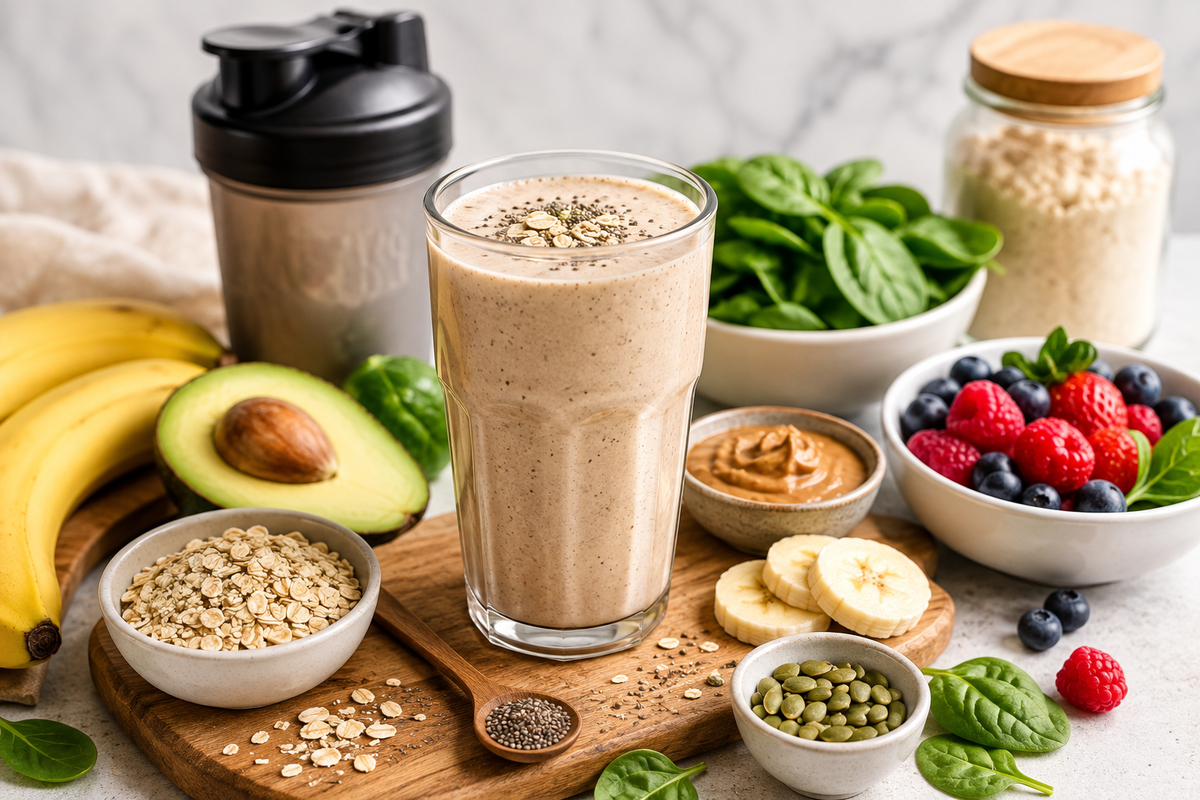
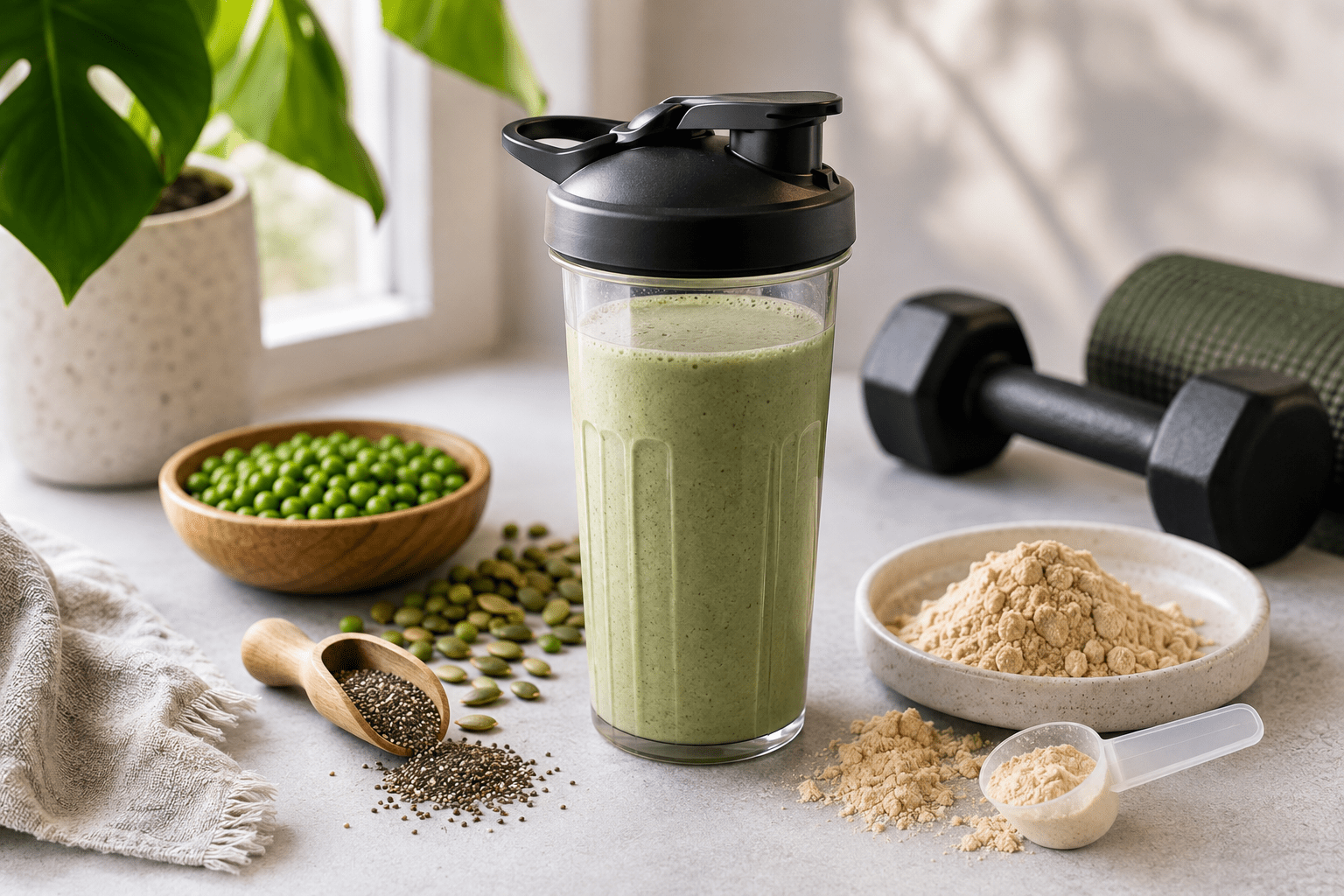
For many people, plant-based protein powder works best as the foundation of a balanced shake rather than the finished product. By adding ingredients such as fruit, oats, nut butter, seeds, and unsweetened dairy-free milk, you can transform a simple protein drink into a meal that is more filling and nutritionally complete.
Protein Powder vs Meal Replacement: What Is the Difference?
The terms "protein powder" and "meal replacement" are often used interchangeably, but they are not the same thing.
A standard protein powder is designed primarily to increase protein intake. Its main job is to support muscle recovery, help meet daily protein goals, or supplement meals that may be low in protein.
A meal replacement, on the other hand, is intended to provide a broader mix of nutrients, including protein, carbohydrates, fats, vitamins, and minerals, while supplying enough calories to replace a traditional meal.
Understanding this distinction prevents unrealistic expectations. If you drink only protein powder mixed with water and still feel hungry an hour later, the product has not necessarily failed. It was simply designed for a different purpose.
According to the Harvard T.H. Chan School of Public Health, protein-rich foods provide more than just protein. They also contain different amounts of healthy fats, carbohydrates, fiber, vitamins, minerals, and other nutrients that contribute to overall diet quality.
This principle applies to shakes as well. Building a satisfying meal means thinking beyond protein alone.
What a Balanced Plant-Based Shake Needs
1. A Quality Protein Base
Every balanced protein shake starts with an effective protein source. A quality plant-based protein powder supplies the amino acids needed to support muscle maintenance, recovery, and everyday health.
According to the International Society of Sports Nutrition, approximately 20 to 40 grams of high-quality protein per serving helps maximize muscle protein synthesis for most physically active adults.
Choosing a clean, plant-based protein powder makes it easier to meet these daily goals while fitting vegan, vegetarian, dairy-free, or lactose-conscious lifestyles.
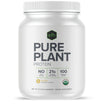
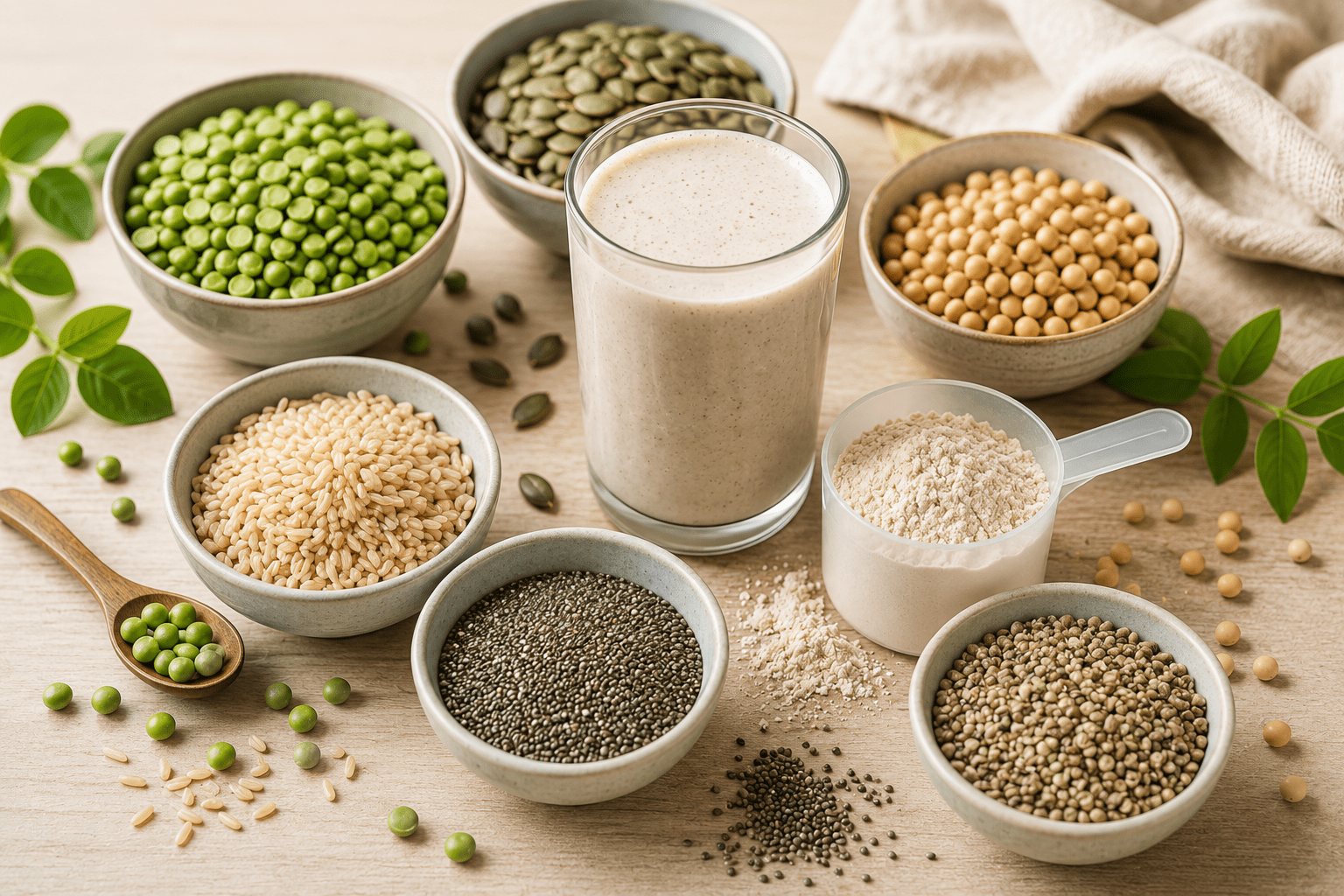
For example, SFH PURE PLANT works well as the protein foundation of a balanced breakfast smoothie. Its blend of pea, pumpkin seed, and chia proteins provides a convenient starting point that can easily be combined with whole-food ingredients to create a more complete meal.
2. Carbohydrates for Lasting Energy
Protein alone may support muscle recovery, but carbohydrates help provide the energy your body needs throughout the day.
Good options include:
- Rolled oats
- Banana
- Frozen berries
- Mango
- Cooked sweet potato
- Dates
These ingredients provide natural carbohydrates while also contributing vitamins, minerals, and fiber.
Adding fruit instead of relying on refined sugars also creates a naturally sweeter shake without overwhelming the flavor.
3. Healthy Fats for Better Satisfaction
Healthy fats slow digestion and help a meal feel more satisfying.
Excellent additions include:
- Almond butter
- Peanut butter
- Cashew butter
- Avocado
- Chia seeds
- Ground flaxseed
Even a small amount can make your smoothie creamier while helping you stay full longer.
Instead of thinking about individual nutrients, think about balance. Protein supports recovery, carbohydrates provide energy, and healthy fats contribute to satiety. When these components work together, a plant-based protein shake becomes much closer to a complete meal than protein powder alone.
4. Add Fiber, Vitamins, and Minerals
A balanced meal should also include ingredients that provide fiber and a variety of essential micronutrients. While many protein powders focus primarily on protein, whole foods help round out the nutritional profile of your shake.
Fresh or frozen fruits such as blueberries, strawberries, bananas, and mangoes contribute vitamins, minerals, antioxidants, and natural sweetness. Leafy greens like spinach can be blended into smoothies without dramatically changing the flavor while adding nutrients that many people struggle to consume in sufficient amounts.
According to the World Health Organization (WHO), a healthy diet includes plenty of fruits, vegetables, whole grains, legumes, nuts, and seeds to help meet nutrient needs and reduce the risk of chronic diseases.
Adding these foods alongside your protein powder creates a shake that is more satisfying and nutritionally balanced than protein alone.
5. Choose a Nutritious Liquid Base
The liquid you choose can also influence the nutritional value of your shake.
Popular options include:
· Unsweetened almond milk
· Unsweetened oat milk
· Soy milk
· Coconut milk beverage
· Water
Water works well when you simply want extra protein after a workout. However, if your goal is replacing breakfast or lunch, an unsweetened fortified plant milk may contribute additional nutrients while creating a creamier texture.
When selecting a liquid, check the nutrition label for added sugar and choose an option that complements the rest of your ingredients.
A Simple Formula for a Balanced Plant-Based Shake
Instead of searching for a different recipe every day, use this simple formula:
· One serving of plant-based protein powder
· One serving of fruit
· One source of whole-grain or fruit-based carbohydrates, such as oats or banana
· One source of healthy fat, such as almond butter or chia seeds
· Unsweetened plant milk or water
· Optional leafy greens
This approach provides a repeatable framework that can be customized with different fruits, spices, or toppings while maintaining balanced nutrition.
If you are looking for a clean protein foundation, SFH PURE PLANT fits naturally into this formula. Its blend of pea, pumpkin seed, and chia proteins pairs well with whole-food ingredients, allowing you to build a satisfying dairy-free breakfast or meal replacement shake without relying on long ingredient lists.
When Is a Simple Protein Shake Enough?
Not every shake needs to replace a meal.
A protein powder mixed only with water or plant milk can still be useful when you need:
· A post-workout recovery drink
· A convenient afternoon protein boost
· A quick snack between meals
· Extra protein to help meet your daily intake
In these situations, simplicity is often an advantage.
The key is matching your shake to your purpose. If you need a complete meal, add complementary foods. If you simply need additional protein, a basic shake may be all you need.
Common Mistakes to Avoid
One of the biggest mistakes is assuming that every protein shake automatically counts as a meal. Protein is only one part of balanced nutrition.
Other common mistakes include:
· Skipping carbohydrates completely
· Forgetting healthy fats
· Ignoring fiber
· Choosing products with excessive added sugar
· Relying on shakes for every meal instead of maintaining dietary variety
Building a balanced shake is about adding nutrients, not simply increasing protein.
Frequently Asked Questions
Can plant-based protein powder replace breakfast?
Yes, but it works best when combined with ingredients such as fruit, oats, healthy fats, and a nutritious liquid. Protein powder alone is usually not a complete breakfast.
Is protein powder with water a meal replacement?
Generally, no. Most protein powders are designed as protein supplements rather than complete meal replacements. Adding carbohydrates, healthy fats, fiber, and micronutrient-rich foods creates a more balanced meal.
What should I add to a plant-based protein shake?
Great additions include berries, bananas, oats, nut butter, chia seeds, flaxseed, spinach, and unsweetened plant milk.
Can I drink a plant-based protein shake every day?
Yes. Many people enjoy a plant-based protein shake daily as part of a balanced eating pattern. The key is maintaining variety throughout the rest of your diet and choosing high-quality ingredients.
Is a balanced protein shake filling?
Yes. Combining protein with fiber, healthy fats, and carbohydrates slows digestion and generally provides greater satisfaction than protein alone.
Conclusion
So, can plant-based protein powder replace a meal? It certainly can become part of one, but the powder alone is rarely enough. A balanced meal provides more than protein. It also includes carbohydrates for energy, healthy fats for satisfaction, fiber for digestive health, and a wide range of vitamins and minerals from whole foods. By using a quality plant-based protein powder as the foundation and adding nutrient-dense ingredients, you can create a shake that supports your energy, fitness, and overall wellness. Whether you are preparing a quick breakfast, a convenient lunch, or a nutritious smoothie after a busy morning, building a balanced shake is a smarter approach than relying on protein alone.

Leave a comment
This site is protected by hCaptcha and the hCaptcha Privacy Policy and Terms of Service apply.