



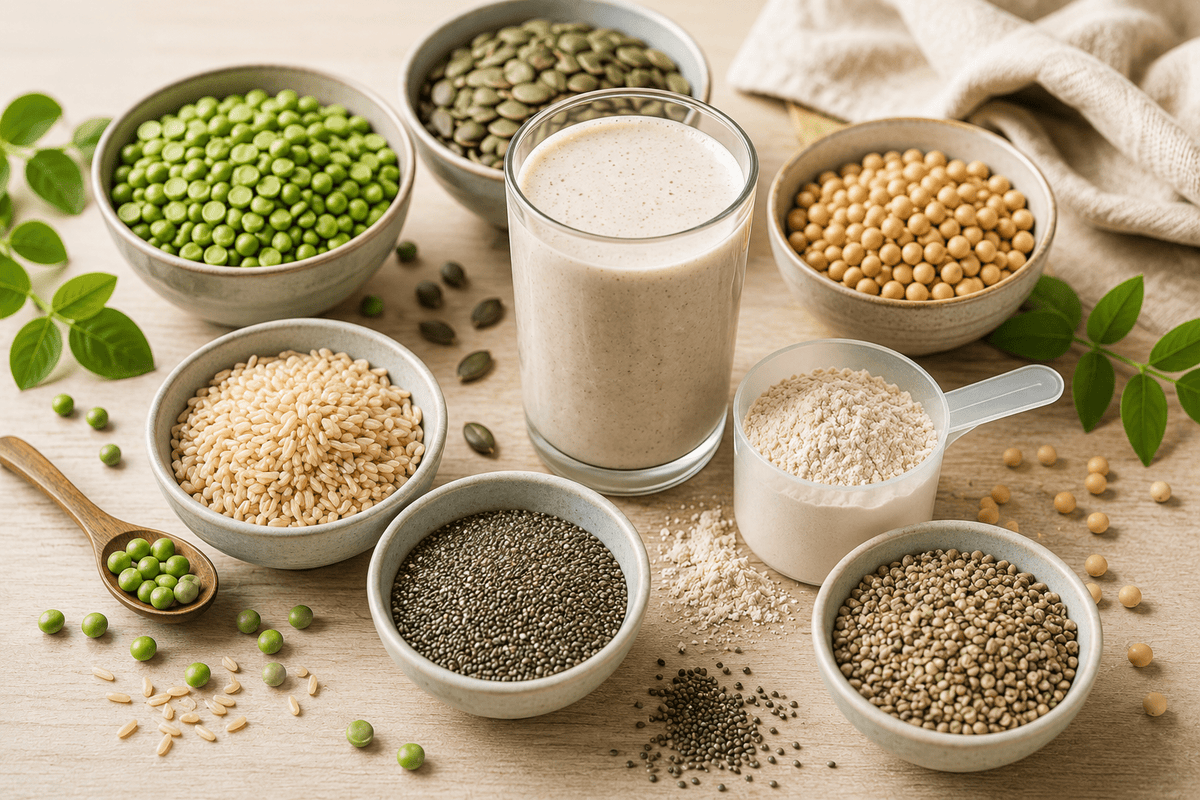
Plant protein powders are no longer a backup choice for people avoiding dairy. They now come in formulas made from legumes, grains, and seeds, each with a different amino acid profile, flavor, and texture.
No single plant protein is perfect for everyone. Pea protein is versatile and protein-dense. Soy offers a complete essential amino acid profile. Rice works well in blends, while hemp, pumpkin seed, and chia bring distinctive seed-based qualities. The best option depends on your fitness goals, dietary needs, taste preferences, and tolerance.
This guide compares six popular plant proteins, highlighting where each excels and where it may fall short.
Quick Comparison of Six Plant Proteins
|
Protein source |
Main strength |
Possible limitation |
Best suited for |
|
Pea |
Strong all-around profile |
Earthy taste |
Daily shakes and blends |
|
Pumpkin seed |
Nutty flavor and seed variety |
Less common alone |
Soy-free blended formulas |
|
Chia |
Familiar whole-food appeal |
Usually a supporting protein |
Multi-seed blends |
|
Hemp |
Naturally earthy and less refined |
Lower protein concentration in some powders |
Whole-food-focused users |
|
Soy |
Complete essential amino acid profile |
Major allergen |
Standalone vegan protein |
|
Rice |
Useful complementary profile |
Can taste gritty |
Pea and rice blends |
Label values vary because whole seeds, defatted meals, concentrates, and isolates are different products. Always compare the finished powder’s serving size, grams of protein, ingredients, and amino acid information when available.
Pea Protein: The Versatile All-Rounder
Pea protein is usually produced from yellow peas and has become one of the most common foundations for dairy-free powders. It offers a useful concentration of essential amino acids, mixes reasonably well, and can be formulated without soy.
Its biggest nutritional limitation is that it tends to be lower in sulfur-containing amino acids, including methionine, than some other proteins. That does not make pea protein ineffective. It simply explains why manufacturers often combine it with grains or seeds.
According to a 2018 analysis published in Amino Acids, researchers compared commercial isolates from pea, soy, brown rice, hemp, and other sources and found meaningful differences in their essential amino acid and leucine contents.
Pea protein has also performed well in resistance-training research. According to a randomized, double-blind study published in the Journal of the International Society of Sports Nutrition, 161 men completed 12 weeks of upper-limb resistance training while receiving pea protein, whey protein, or placebo. The pea group showed a significantly greater increase in biceps muscle thickness than the placebo group, with no statistical difference between pea and whey.
These results do not prove that every pea powder equals whey. They do show that pea protein can contribute meaningfully when training and total protein intake are appropriate.
Pumpkin Seed and Chia Protein: Valuable Blend Ingredients
Pumpkin Seed Protein
Pumpkin seed protein typically comes from seeds that have had much of their oil removed. It has a pleasantly nutty, earthy character and gives formulators another way to create soy-free protein blends.
It is less established as a standalone sports supplement than pea or soy, so buyers should avoid assuming that its whole-seed reputation tells them everything about the powder. Processing changes the proportions of protein, fat, fiber, and minerals. The product label remains the best guide.
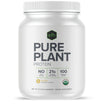
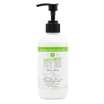
Pumpkin seed protein is particularly useful when paired with a legume protein. In a formula such as SFH PURE PLANT, pea can provide the main protein foundation while pumpkin seed broadens the ingredient mix and contributes a distinctive seed-based component.
Chia Seed Protein
Chia is best known as a whole seed rich in fiber and fat, but chia-derived protein can also support blended powders. It is rarely the dominant ingredient in a high-protein serving because chia protein ingredients are less common and may bring more texture than a refined isolate.
Its strength is variety. Added thoughtfully, chia can help differentiate a blend and appeal to shoppers who prefer recognizable plant ingredients. In SFH PURE PLANT, the combination of pea, pumpkin seed, and chia reflects a multi-source strategy rather than relying on one protein alone.
Hemp Protein: A Less Refined, Whole-Food Option
Hemp protein is produced from hemp seeds after much of the oil has been removed. Compared with highly refined protein isolates, hemp protein powders often retain more naturally occurring fiber and healthy fats, giving them a more earthy flavor and thicker texture.
That makes hemp appealing to people who prefer minimally processed ingredients, but it can also mean a lower percentage of protein per serving than some pea or soy protein isolates. If your primary goal is maximizing protein intake after exercise, compare the grams of protein on the label rather than assuming all plant proteins deliver the same amount.
Hemp protein is often included in blends to add nutritional variety while allowing another protein source to provide the majority of the protein content.
Soy Protein: Complete but Not Right for Everyone
Soy protein has one of the strongest nutritional profiles among plant proteins because it naturally provides all nine essential amino acids in amounts that support human protein needs.
According to the U.S. Food and Drug Administration (FDA), soy is one of the nine major food allergens that must be clearly declared on packaged food labels in the United States.
For individuals without a soy allergy, soy protein can be an excellent choice for supporting daily protein intake. However, many shoppers intentionally avoid soy because of allergies, dietary preferences, or personal choice. This growing demand has increased interest in soy-free blends based on pea, rice, or seed proteins.
Rice Protein: A Valuable Partner for Pea
Brown rice protein is often underestimated because it is rarely marketed as a standalone performance protein. Instead, it shines when paired with pea protein.
Rice protein tends to contain less lysine than pea protein, while pea protein contains lower amounts of sulfur-containing amino acids such as methionine. Combining different plant proteins helps create a more balanced amino acid profile than relying on one source alone.
According to a review published in Applied Sciences, protein quality depends on multiple factors, including amino acid composition, digestibility, processing methods, and the amount consumed rather than simply whether the protein comes from plants or animals.
Rice protein also has a relatively mild flavor, making it easy to blend with other proteins without dominating the finished product.
Why Blended Plant Proteins Often Make More Sense
One of the biggest misconceptions is that shoppers should search for the single "best" plant protein. In reality, many high-quality products intentionally combine several protein sources because each contributes something different.
A blend may improve amino acid balance, create a smoother taste, reduce the earthy flavor of individual proteins, and provide greater ingredient diversity. Instead of expecting one ingredient to do everything, manufacturers can build a more complete formula by combining complementary proteins.
This is where SFH PURE PLANT fits naturally. Rather than relying on one protein source alone, it combines pea, pumpkin seed, and chia seed proteins. Pea provides the primary protein foundation, while pumpkin seed and chia contribute additional seed-based ingredients that support a more diverse plant protein blend.
According to USDA FoodData Central, nutrient values differ considerably between whole seeds and processed protein ingredients. This is why comparing finished nutrition labels is more useful than assuming every protein powder has the same nutritional profile as the original food.
Which Plant Protein Is Best for Your Needs?
There is no universal winner, but there is likely a best option for your goals.
If your priority is building muscle, pea and soy protein offer strong protein quality backed by scientific research.
If you prefer a soy-free option, blends centered on pea protein with complementary seed proteins are worth considering.
If you enjoy minimally processed foods, hemp protein may appeal because of its whole-food characteristics.
If you want an everyday protein powder with balanced nutrition and pleasant taste, a carefully formulated blend is often the most practical choice.
Rather than asking which ingredient is superior, ask which formula fits your lifestyle, dietary preferences, digestive comfort, and nutrition goals.
Frequently Asked Questions
Which plant-based protein source is best?
There is no single best choice. Pea and soy are popular for their protein quality, while rice, pumpkin seed, hemp, and chia each contribute unique benefits that can strengthen a blended formula.
Is pea protein better than pumpkin seed protein?
Pea protein generally contains more protein per serving and is commonly used as the primary protein source. Pumpkin seed protein is valuable for ingredient diversity and works especially well as part of a blend.
Why are pea and rice protein often combined?
Their amino acid profiles complement one another, helping create a more balanced overall protein compared with using either source alone.
Is soy protein a complete protein?
Yes. Soy naturally provides all nine essential amino acids, making it one of the few widely used plant proteins considered complete.
What is the best plant protein for someone avoiding soy?
A blend built around pea protein with complementary ingredients such as pumpkin seed or chia can be an excellent soy-free alternative.
Conclusion
Plant protein powders have evolved far beyond one-size-fits-all formulas. Pea, pumpkin seed, chia, hemp, soy, and rice each bring distinct strengths, and understanding those differences helps you make a smarter purchase. While soy offers a complete amino acid profile and pea delivers excellent versatility, blended formulas often provide the best balance of nutrition, taste, and everyday usability. If you are looking for a soy-free option, a thoughtfully designed blend such as SFH PURE PLANT, which combines pea, pumpkin seed, and chia proteins, demonstrates how multiple plant sources can work together to create a well-rounded protein powder for daily use.

Leave a comment
This site is protected by hCaptcha and the hCaptcha Privacy Policy and Terms of Service apply.