








Protein powder is one of the most convenient ways to increase your daily protein intake, support muscle recovery, and stay on track with fitness goals. Whether you enjoy a post-workout shake or add protein to your morning smoothie, these supplements can make healthy eating much easier. However, not everyone feels great after drinking them. For many people, a protein shake is followed by bloating, gas, stomach discomfort, or a feeling of fullness that lasts for hours.
If this sounds familiar, you are not alone. The good news is that protein powder itself is not always the problem. In many cases, the discomfort comes from specific ingredients, the type of protein used, or even the way the shake is consumed. Understanding these factors can help you choose a formula that better suits your digestive system without giving up the benefits of extra protein.
In this guide, you will learn why some protein powders cause bloating, which ingredients are most commonly responsible, and what to look for when choosing a gentler option.
Why Can Protein Powder Cause Bloating?
Protein powder can cause bloating for several different reasons. While many people immediately assume they have a problem with protein itself, digestive discomfort is often linked to other ingredients or individual food sensitivities.
One common reason is that your digestive system may not be accustomed to a sudden increase in protein intake. Consuming large amounts of protein in one sitting can slow digestion for some people, especially if the rest of the meal lacks enough water or fiber.
Another frequent cause is lactose. Many whey protein concentrates contain lactose, which is the natural sugar found in milk. People who have difficulty digesting lactose may experience bloating, gas, abdominal pain, or diarrhea after consuming dairy-based protein products.
According to the National Institute of Diabetes and Digestive and Kidney Diseases, people with lactose intolerance do not produce enough lactase, the enzyme needed to digest lactose properly, allowing undigested lactose to be fermented by bacteria in the colon and leading to gas and bloating.
Digestive discomfort may also come from ingredients that have nothing to do with protein. Artificial sweeteners, sugar alcohols, added fibers, and thickening agents are commonly included to improve taste or texture, yet some people tolerate them poorly.
The important takeaway is that bloating does not necessarily mean you should stop using protein powder altogether. Instead, it usually signals that it is time to identify the ingredient causing the issue and switch to a formula that is easier on your digestive system.
Common Ingredients That Trigger Digestive Issues
Lactose in Whey Protein Concentrate
One of the biggest reasons people experience bloating after drinking protein shakes is lactose intolerance.
Whey protein concentrate naturally contains more lactose than whey protein isolate because it undergoes less processing. While many people digest it without difficulty, others experience uncomfortable symptoms shortly after drinking a shake.
Common symptoms include:
- Bloating
- Excess gas
- Stomach cramps
- Diarrhea
- Rumbling stomach
The severity depends on how much lactose a person can tolerate. Some individuals experience only mild discomfort, while others react to even small amounts.
According to the National Institute of Diabetes and Digestive and Kidney Diseases, lactose intolerance affects millions of adults worldwide, although the prevalence varies among different populations. If dairy consistently leaves you feeling uncomfortable, switching to a dairy-free plant-based protein or a whey isolate with very little lactose may improve your digestion.
Sugar Alcohols and Artificial Sweeteners
Many flavored protein powders rely on sugar alcohols or high-intensity sweeteners to create a sweet taste without adding significant calories.
Common examples include:
- Erythritol
- Xylitol
- Sorbitol
- Sucralose
- Acesulfame potassium
While these ingredients are considered safe for most people, they do not affect everyone the same way. Sugar alcohols are only partially absorbed in the small intestine. The remaining amount travels into the large intestine, where gut bacteria ferment it, producing gas that can contribute to bloating and abdominal discomfort.
The Cleveland Clinic notes that sugar alcohols may cause bloating, gas, stomach discomfort, and diarrhea in sensitive individuals, particularly when consumed in larger quantities.
Artificial sweeteners may also affect digestive comfort differently from one person to another. Although many people tolerate them well, others prefer products that use minimal sweeteners or naturally sweet ingredients to reduce the chance of stomach irritation.
Added Fibers and Thickening Gums
Many protein powders contain added fibers and gums to improve texture, increase creaminess, or create a smoother shake. While these ingredients can be helpful in some formulas, they are also a common source of digestive complaints.
Ingredients that may contribute to bloating include:
- Inulin
- Chicory root fiber
- Guar gum
- Xanthan gum
These ingredients are not harmful, but they are fermented differently within the digestive tract. Inulin and chicory root fiber are considered fermentable fibers, meaning gut bacteria break them down during digestion. This process naturally produces gas, which may cause bloating in sensitive individuals or in people who suddenly increase their fiber intake.
Research from Monash University, a leading authority on FODMAP nutrition, explains that highly fermentable fibers can increase gas production and digestive symptoms in susceptible individuals, particularly those with irritable bowel syndrome.
Likewise, gums such as guar gum and xanthan gum help improve consistency but may contribute to digestive discomfort for some people, especially when combined with several other thickening ingredients in the same formula.
Rather than assuming protein itself is responsible, carefully reading the ingredient list can often reveal why one protein powder feels perfectly comfortable while another leaves you feeling bloated after every serving.
How to Choose a Gentler Protein Powder
Finding a protein powder that agrees with your digestive system is often easier than many people think. Instead of focusing only on the grams of protein per serving, look at the complete formula. The protein source, ingredient list, sweeteners, and overall simplicity of the product can make a noticeable difference in how you feel after drinking it.
Choose the Right Protein Source
The type of protein is one of the first things to consider.
If lactose intolerance is the cause of your bloating, switching from whey protein concentrate to whey protein isolate may help because whey isolate typically contains much less lactose. However, if dairy continues to cause digestive discomfort, a plant-based protein may be a better fit.
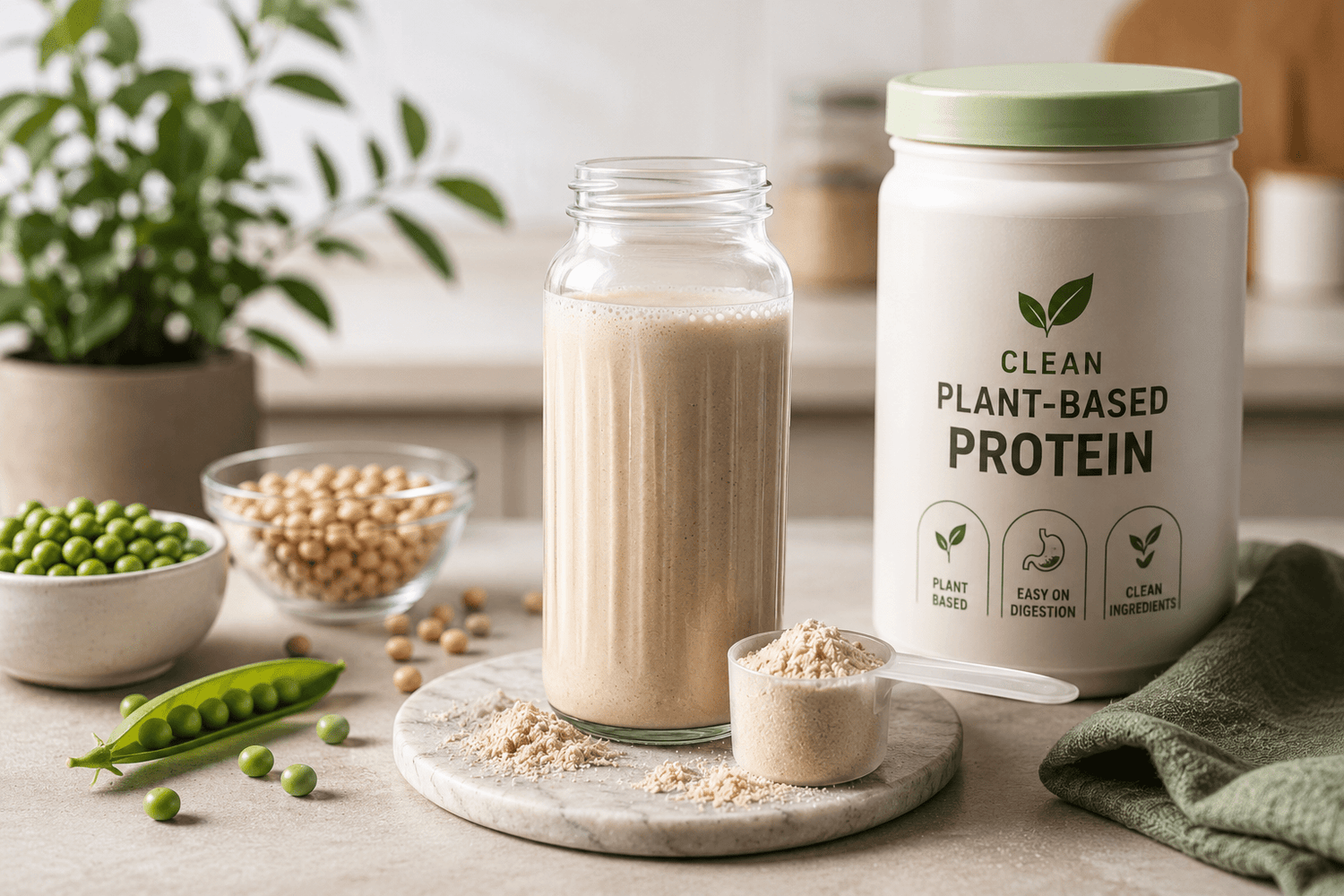
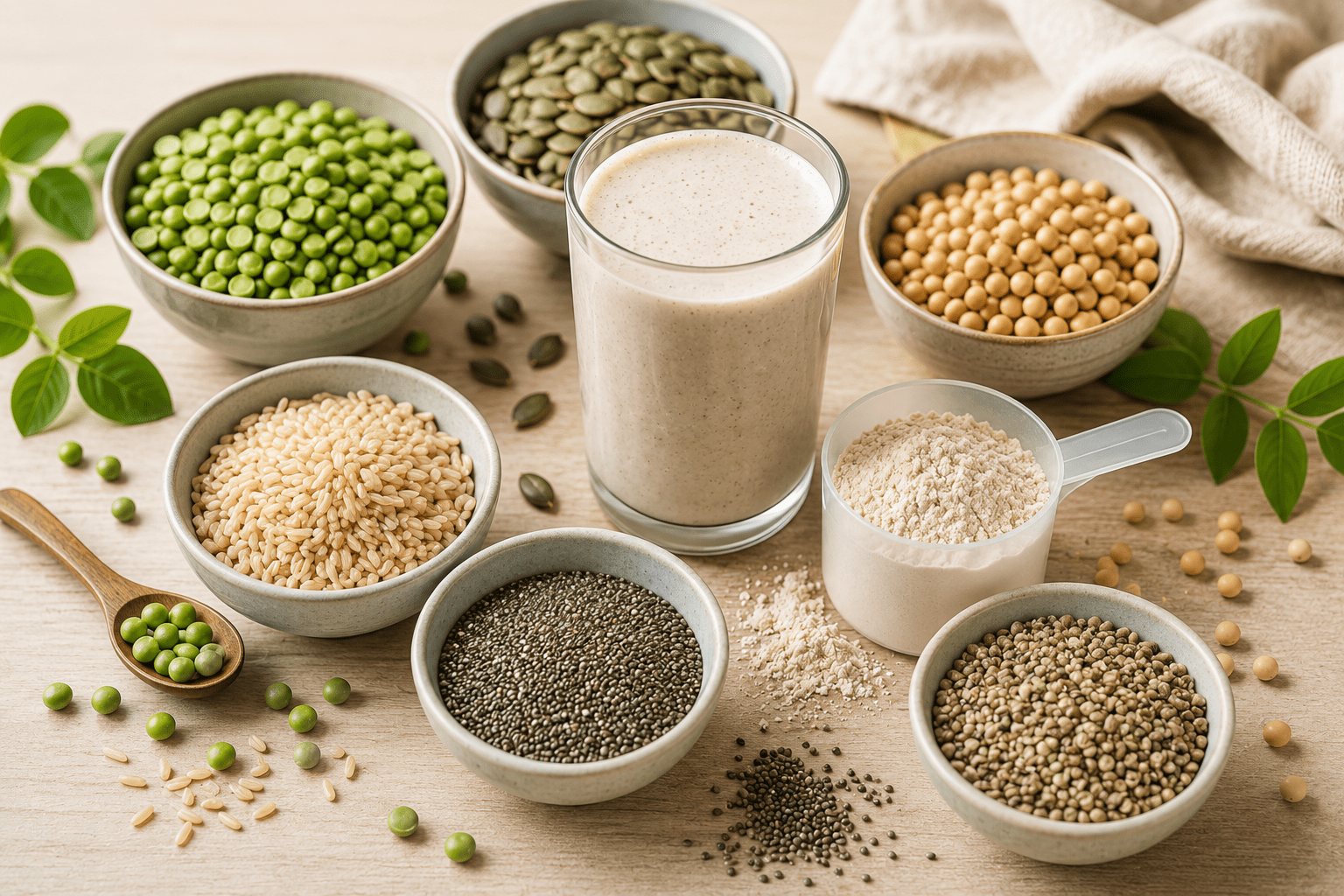
Plant proteins made from peas, brown rice, pumpkin seed, or similar sources are naturally dairy-free and suitable for people avoiding lactose. Individual tolerance still varies, but many people who experience digestive issues with dairy-based proteins find that a well-formulated plant protein is easier on their stomach.
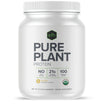
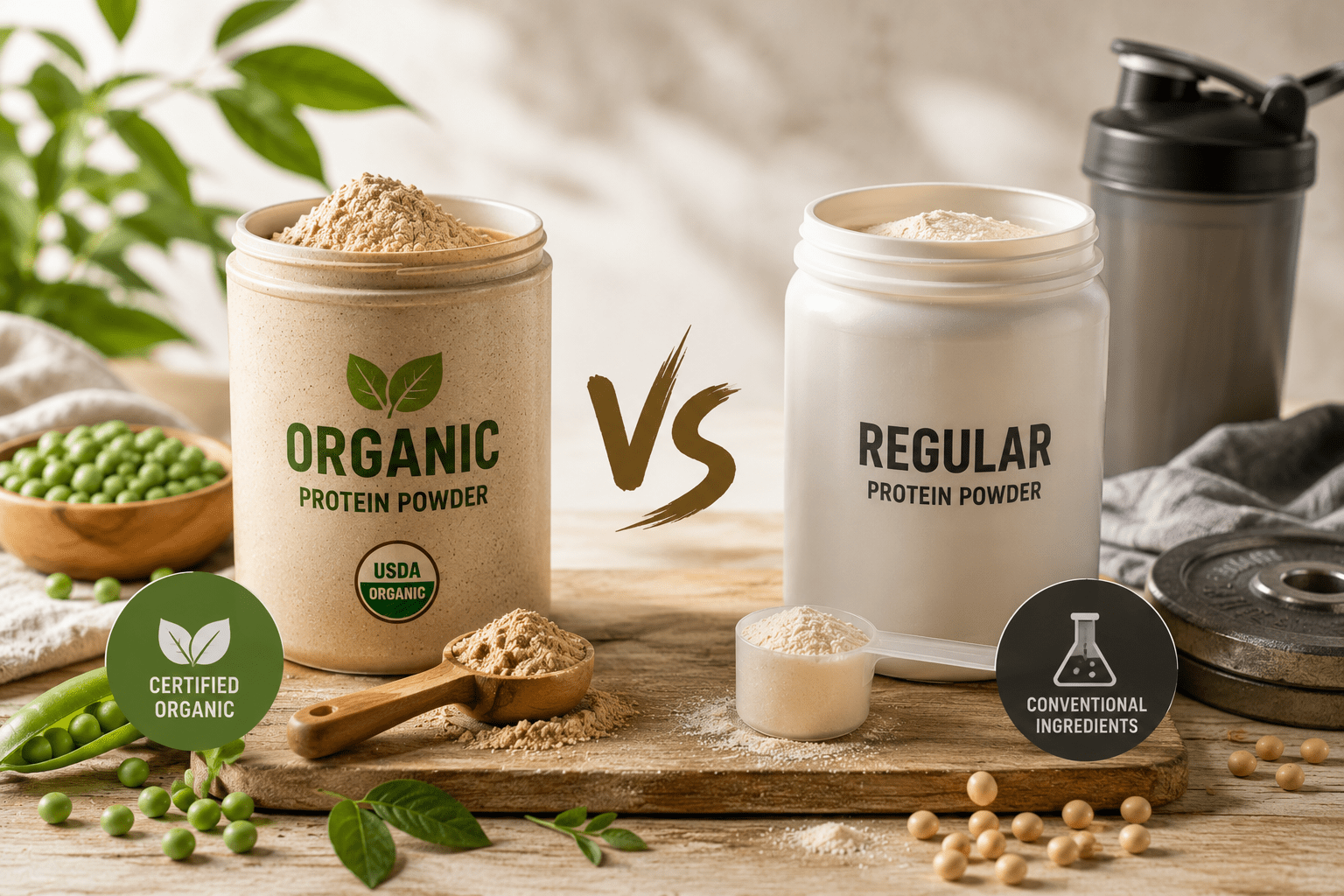
For shoppers looking for a certified organic, dairy-free option with a straightforward ingredient profile, SFH PURE PLANT is a good example of a plant-based protein designed for those who prioritize clean ingredients alongside digestive comfort. While no protein powder is guaranteed to eliminate bloating for everyone, choosing a product with a carefully selected protein source is often the first step toward improving tolerance.
Read the Ingredient List Carefully
The front of the package may highlight phrases such as "high protein" or "low sugar," but the ingredient list tells the real story.
Look for products with:
· A short ingredient list
· Clearly identified protein sources
· Minimal added fillers
· Sweeteners that you personally tolerate well
· Limited thickening agents
At the same time, pay attention to ingredients that have caused problems in the past. If you know that sugar alcohols, chicory root fiber, or certain gums leave you feeling uncomfortable, choosing a product without those ingredients may reduce digestive symptoms.
The U.S. Food and Drug Administration requires dietary supplements to display a Supplement Facts panel and ingredient declaration, making it easier for consumers to compare products before purchasing.
Look for Simple Formulas
Many consumers assume that more ingredients automatically create a better protein powder. In reality, a simpler formula is often easier to evaluate and, for some people, easier to digest.
Products that focus on quality protein rather than long lists of additives allow you to understand exactly what you are consuming. This approach also makes it easier to identify which ingredient may be responsible if digestive discomfort occurs.
If clean-label nutrition is important to you, SFH PURE PLANT fits naturally into this category because it combines certified organic plant protein with a straightforward ingredient profile instead of relying on an extensive list of unnecessary additives. For individuals looking to simplify their nutrition routine, this type of formula can be an appealing choice.
Introduce Protein Gradually
Sometimes the issue is not the protein powder itself but the amount consumed.
If you recently increased your protein intake, your digestive system may simply need time to adjust. Instead of drinking a large shake immediately, begin with half a serving and gradually increase the amount over several days.
Staying well hydrated throughout the day can also support normal digestion, particularly when increasing protein intake.
According to the International Society of Sports Nutrition, total daily protein intake is more important than consuming extremely large amounts at one time. For most physically active adults, spreading protein across multiple meals supports muscle protein synthesis while making intake easier to manage.
Frequently Asked Questions
Why does protein powder make me bloated?
Protein powder can cause bloating for several reasons, including lactose intolerance, sugar alcohols, fermentable fibers, thickening gums, large serving sizes, or individual food sensitivities. The protein itself is often not the primary cause.
Which protein powder is easiest to digest?
The answer depends on the individual. People with lactose intolerance may tolerate whey isolate or dairy-free plant proteins better than whey concentrate. Choosing a product with simple ingredients and fewer additives may also improve digestive comfort.
Does plant protein cause less bloating than whey?
Not always. Some people digest plant proteins more comfortably because they contain no lactose. Others may be sensitive to certain plant-based ingredients or added fibers. Personal tolerance varies, making it important to evaluate the complete formula rather than the protein source alone.
Can artificial sweeteners cause bloating?
Some people experience bloating or digestive discomfort from certain sweeteners or sugar alcohols. Reading the ingredient label and paying attention to how your body responds can help identify ingredients that may not agree with you.
Should I stop using protein powder if it causes bloating?
Not necessarily. In many cases, switching to a different protein source, avoiding certain additives, reducing serving size, or choosing a cleaner formula can resolve the problem without giving up the convenience and nutritional benefits of protein supplementation.
Conclusion
Experiencing bloating after drinking a protein shake does not automatically mean protein powder is bad for you. More often, it is a sign that a specific ingredient or formula does not match your digestive needs. Lactose, sugar alcohols, fermentable fibers, thickening gums, and even very large servings can all contribute to digestive discomfort in sensitive individuals.
The good news is that you have options. Choosing a protein powder with a suitable protein source, a simple ingredient list, and fewer unnecessary additives can make a significant difference in how you feel after every serving. Whether you prefer whey isolate or a clean, plant-based option such as SFH PURE PLANT, taking the time to compare labels and understand your own digestive tolerance will help you find a protein powder that supports your fitness goals without leaving you feeling bloated.

Leave a comment
This site is protected by hCaptcha and the hCaptcha Privacy Policy and Terms of Service apply.