






Walk into almost any supplement aisle and you will see protein powders promising cleaner ingredients, better sourcing, stronger performance, and easier nutrition. Organic options often sit beside regular formulas with a higher price tag, which creates an obvious question: is organic protein powder actually worth paying more for?
The answer depends on what you value. Organic certification can provide meaningful reassurance about how agricultural ingredients were produced and verified. Still, it does not automatically make a powder higher in protein, better for building muscle, easier to digest, or free from every unwanted substance. The smartest choice comes from understanding what the organic label guarantees, what it does not guarantee, and how the complete formula compares with a conventional alternative.
What Is Organic Protein Powder?
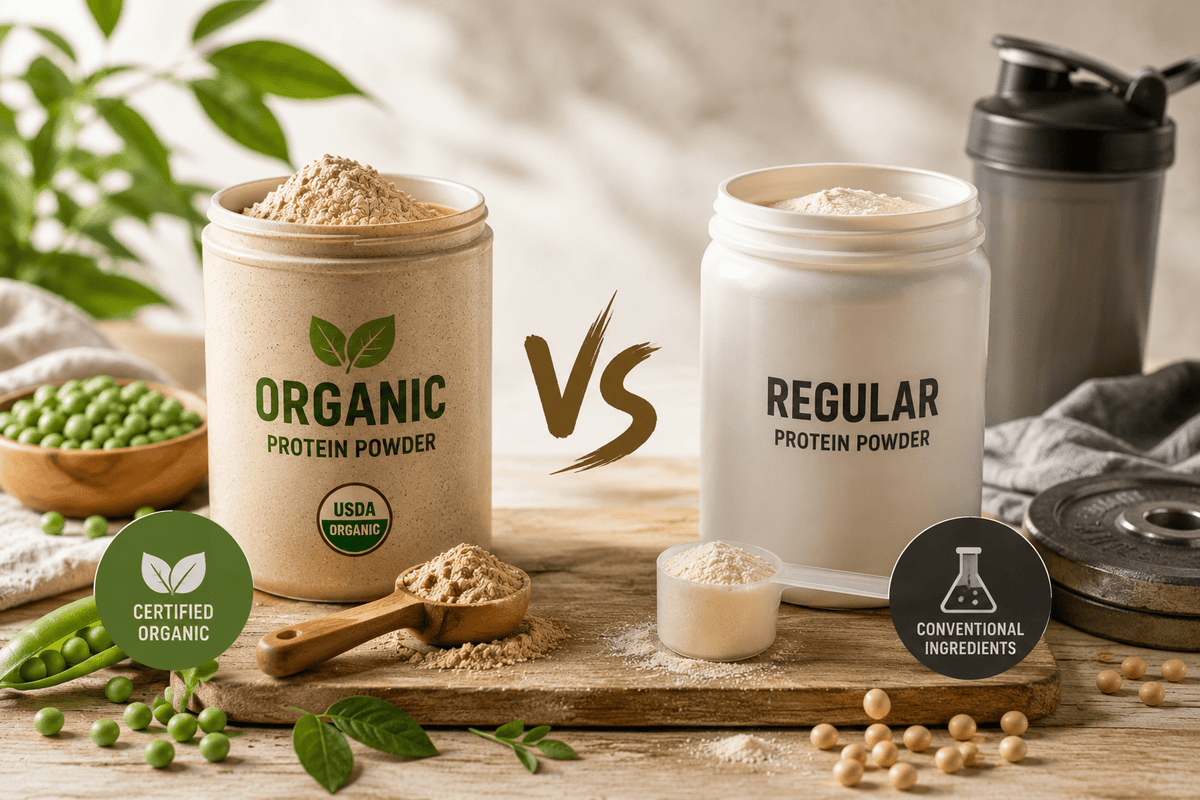
Organic protein powder is made with agricultural ingredients produced and handled according to federal organic standards. Depending on the formula, the protein may come from peas, brown rice, hemp, soy, milk, or another source. A product must meet specific certification and labeling requirements before it can display approved organic claims.
This distinction matters because “organic” is not simply a creative word placed on attractive packaging. According to the USDA Agricultural Marketing Service, the National Organic Program develops and enforces consistent national standards for agricultural products sold as organic in the United States.
Regular protein powder, sometimes called conventional protein powder, is not required to follow those organic production standards. That does not make it low quality. Many conventional powders deliver excellent protein, transparent labels, pleasant taste, and strong value. The key difference is that their agricultural ingredients were not necessarily produced through the certified organic system.
What Does the USDA Organic Seal Mean?
The USDA Organic seal is a regulated trust signal, not a general wellness badge. It tells shoppers that a product has passed an established certification process and meets the applicable federal rules for organic production, handling, and labeling.
According to the USDA, certifying agents accredited by the department are responsible for confirming that farms and processing facilities meet all organic standards.
That verification creates accountability. A company cannot legitimately place the USDA Organic seal on a qualifying product merely because its ingredients sound natural. The operation, supply chain, documentation, and labeling must be reviewed through the certification system.
The USDA also states that organic product labels must be reviewed and approved by a USDA-accredited certifying agent before they are used in the marketplace.
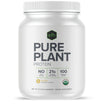
For buyers, this makes the seal useful when organic sourcing is a priority. For example, SFH PURE PLANT can be introduced as a certified organic option for shoppers seeking plant-based protein with a recognized federal certification behind the organic claim. The product still needs to be judged by its protein content, ingredient list, flavor, and suitability for the buyer, but certification adds a clear sourcing standard.
Organic Protein Powder vs Regular Protein Powder: Key Differences
Ingredient Sourcing and Production Standards
The most meaningful difference begins before the powder reaches the container. Certified organic ingredients must come through an approved system designed around organic production and handling requirements. Conventional ingredients can be responsibly produced too, but they do not carry the same verified organic status.
The USDA explains that an Organic System Plan describes how a farm or business follows organic rules across production, processing, handling, recordkeeping, and protection of products throughout the supply chain.
This makes organic certification especially appealing to buyers who care about traceable sourcing and formal oversight. It can also make the product more expensive because certification, documentation, inspections, approved handling, and specialized supply chains create additional work.
However, organic sourcing should not distract from the finished product. A protein powder can be certified organic and still contain more sugar than you want, deliver fewer grams of protein per serving, or use flavors you dislike. Likewise, a regular protein powder can have a short ingredient list and excellent nutritional value.
The practical takeaway is simple: treat USDA Organic as one important buying factor, not the entire decision. First confirm the seal and certification. Then compare the protein source, grams per serving, amino acid profile, sweeteners, allergens, serving size, testing practices, taste, and price. That complete comparison reveals whether the organic premium offers genuine value for your lifestyle.
This balanced approach prevents shoppers from overpaying for a label while helping those who genuinely value certified sourcing recognize when an organic formula deserves the extra investment today.
Protein Quality and Muscle Support
One of the biggest misconceptions is that organic protein powder automatically builds more muscle than regular protein powder. In reality, organic certification says nothing about the amount of protein, amino acid profile, or muscle-building potential of the finished product.
Muscle growth depends on several factors working together, including resistance training, total daily protein intake, calorie intake, recovery, and sleep. Whether a protein powder is organic or conventional, it should provide enough high-quality protein to help you meet your daily nutrition goals.
According to the International Society of Sports Nutrition, consuming approximately 20 to 40 grams of high-quality protein per serving, or about 0.25 grams per kilogram of body weight, helps maximize muscle protein synthesis for most active adults.
This means shoppers should focus on protein quality first and certification second. If two products provide similar protein content and amino acid profiles, the decision may come down to whether certified organic sourcing is important to your lifestyle.
Ingredients, Sweeteners, and Additives
Another area where organic products often appeal to consumers is ingredient simplicity. Many people shopping for organic protein powder also want fewer artificial ingredients, recognizable ingredient lists, and products that fit a clean-label lifestyle.
That said, organic certification does not automatically eliminate every additive. Some certified organic products still include flavorings, stabilizers, or sweeteners that may not match your personal preferences. Reading the ingredient list remains just as important as checking the front of the package.
If you are looking for a certified organic, plant-based option with an emphasis on clean ingredients, SFH PURE PLANT is a natural example. It combines certified organic sourcing with a straightforward formula, making it well suited for shoppers who value organic ingredients alongside a dairy-free, plant-based lifestyle.
Price and Overall Value
Organic protein powder usually costs more than conventional protein powder. Higher production standards, certification fees, inspections, and specialized supply chains all contribute to the additional cost.
Whether that premium is worthwhile depends on what you value most.
If organic sourcing, certified ingredients, and transparency are priorities, paying more may feel worthwhile because you are investing in a verified production standard rather than simply a marketing claim.
If your primary goal is increasing protein intake on a budget, a high-quality conventional protein powder may provide excellent value while still supporting muscle recovery and everyday nutrition.
Instead of asking which category is universally better, ask which one best aligns with your priorities. Some shoppers happily pay more for certification, while others prefer to maximize protein per dollar.
Does Organic Mean Healthier or Safer?
Organic certification is an important trust signal, but it should not be confused with a guarantee that a protein powder is healthier or safer in every respect.
According to the U.S. Food and Drug Administration, dietary supplements must include a Supplement Facts panel and ingredient declaration, allowing consumers to compare products before purchasing.
This is why experienced shoppers evaluate the complete label instead of relying on one claim. Look at protein content, serving size, ingredients, allergens, sweeteners, and any available third-party testing in addition to certification.
When Is Organic Protein Powder Worth It?
Organic protein powder is worth considering if you prioritize certified ingredient sourcing, prefer plant-based nutrition, or want additional confidence that the agricultural ingredients were produced under established organic standards.
For people who simply want the highest amount of protein at the lowest cost, a well-formulated conventional protein powder may be the more practical purchase.
Neither choice is automatically right or wrong. The best protein powder is the one that matches your nutrition goals, budget, dietary preferences, and long-term routine.
Frequently Asked Questions
Is organic protein powder better than regular protein powder?
Not necessarily. Organic certification verifies production and handling standards, but you should also compare protein quality, ingredients, serving size, and overall nutritional value.
What does the USDA Organic seal mean?
It indicates that a product meets applicable USDA organic production and labeling standards and has been verified through the federal organic certification system.
Does organic protein powder build more muscle?
No. Muscle growth depends on total protein intake, training, and recovery. Organic certification alone does not increase a protein powder's muscle-building ability.
Is organic protein powder worth the extra cost?
It can be, especially if certified organic sourcing and ingredient transparency are important to you. If budget is your top concern, a quality conventional protein powder may offer better overall value.
Conclusion
So, is organic protein powder worth it? For many shoppers, the answer is yes, especially when certified sourcing, ingredient transparency, and plant-based nutrition are high priorities. For others, a conventional protein powder with excellent nutrition and a clean ingredient list may be the smarter investment. The key is to look beyond marketing claims and compare every product carefully. When you understand what the USDA Organic seal represents and evaluate the complete formula, you can confidently choose the protein powder that best supports your health, fitness, and daily lifestyle.

Leave a comment
This site is protected by hCaptcha and the hCaptcha Privacy Policy and Terms of Service apply.