






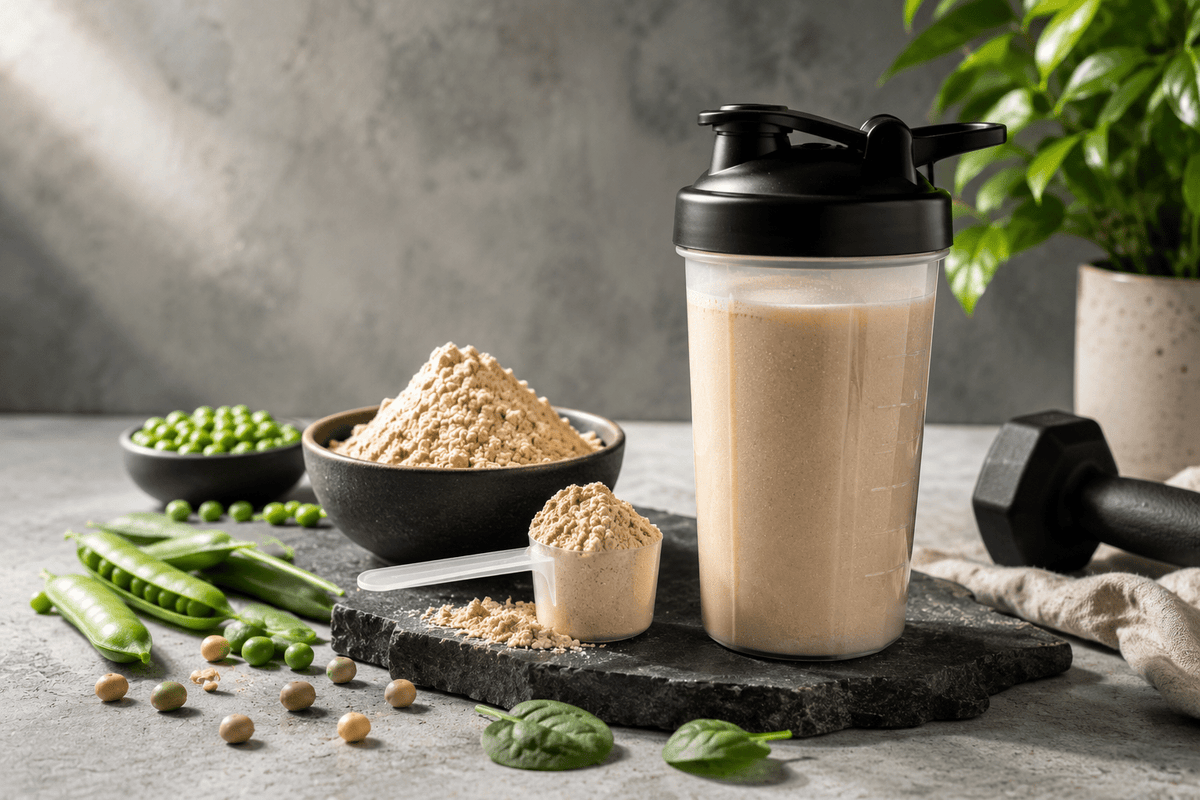
For years, whey protein has been viewed as the gold standard for building muscle. At the same time, plant-based protein powder has grown rapidly in popularity as more people embrace dairy-free diets, plant-forward eating, and cleaner nutrition. This shift has sparked an important question among athletes, gym enthusiasts, and everyday active adults.
Can plant-based protein powder really support muscle growth as effectively as whey? The short answer is yes, but success depends on more than simply choosing a protein powder. The quality of the protein, your overall diet, and your training routine all play important roles. Understanding how plant protein works can help you make a confident choice that fits both your fitness goals and your lifestyle.
Can Plant-Based Protein Build Muscle?
The belief that only animal-based protein can build muscle is outdated. Modern research shows that high-quality plant-based protein powders can effectively support muscle growth when combined with regular resistance training and adequate daily protein intake.
Muscle growth occurs when resistance exercise stimulates muscle protein synthesis, the process your body uses to repair and build muscle tissue after workouts. Protein provides the essential amino acids needed to support this process, regardless of whether those amino acids come from animal or plant sources.
A 2024 study published in The American Journal of Clinical Nutrition found that both supplemental pea protein and whey protein significantly increased integrated muscle protein synthesis compared with consuming only the Recommended Dietary Allowance for protein. The findings suggest that both protein sources can effectively support muscle development when included as part of a balanced diet.
This research reinforces an important point. Building muscle depends on consistently meeting your protein needs and following an effective training program, not simply choosing one protein source over another.
Why Protein Matters for Muscle Growth
Protein is often described as the building block of muscle, and for good reason. Every strength training session creates tiny amounts of stress within muscle fibers. Your body repairs this damage by using amino acids from dietary protein, helping muscles recover and adapt over time.
According to the International Society of Sports Nutrition, consuming approximately 20 to 40 grams of high-quality protein per serving, or about 0.25 grams per kilogram of body weight, helps maximize muscle protein synthesis for most active adults.
Meeting your total daily protein target is even more important than obsessing over a single shake. Whether you enjoy your protein after a workout, with breakfast, or between meals, consistency helps provide your muscles with the nutrients they need to recover and grow.
For many people, a quality plant-based protein powder also makes it easier to increase protein intake without relying on dairy products. This flexibility has made plant protein an increasingly popular choice among athletes, recreational exercisers, and individuals who simply want a convenient way to support an active lifestyle.
What Makes Plant Protein Effective?
Not all plant proteins are created equal, but today's high-quality formulas are far more advanced than they were a decade ago. Many products use pea protein as their primary ingredient because it provides a strong amino acid profile and mixes well in shakes and smoothies. Some manufacturers also combine pea protein with brown rice or other plant proteins to create a more balanced amino acid profile that closely matches the needs of active adults.
The key is choosing a protein powder that delivers enough protein per serving, contains quality ingredients, and fits your daily nutrition plan. Building muscle is the result of consistent training, adequate protein intake, sufficient calories, and recovery. A quality supplement supports that process, but it cannot replace healthy habits.
Complete Protein Matters
One of the biggest concerns people have about plant protein is whether it provides all the essential amino acids required for muscle growth. While some individual plant proteins contain lower amounts of certain amino acids, modern formulations often address this by using carefully selected protein sources or blends.
A 2019 study published in Sports compared pea protein with whey protein during an eight-week resistance training program. Researchers found similar improvements in body composition, muscle thickness, strength, force production, and workout performance between the two groups.
This evidence suggests that for most healthy adults who consume enough total protein, a well-formulated plant protein can support muscle-building goals just as effectively as whey.
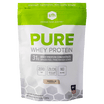
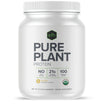
If you are looking for a clean option to support training, SFH PURE PLANT is designed for active individuals who prefer dairy-free nutrition without compromising protein quality. Its plant-based formula fits well into vegan, vegetarian, and lactose-conscious lifestyles while supporting everyday recovery and performance.
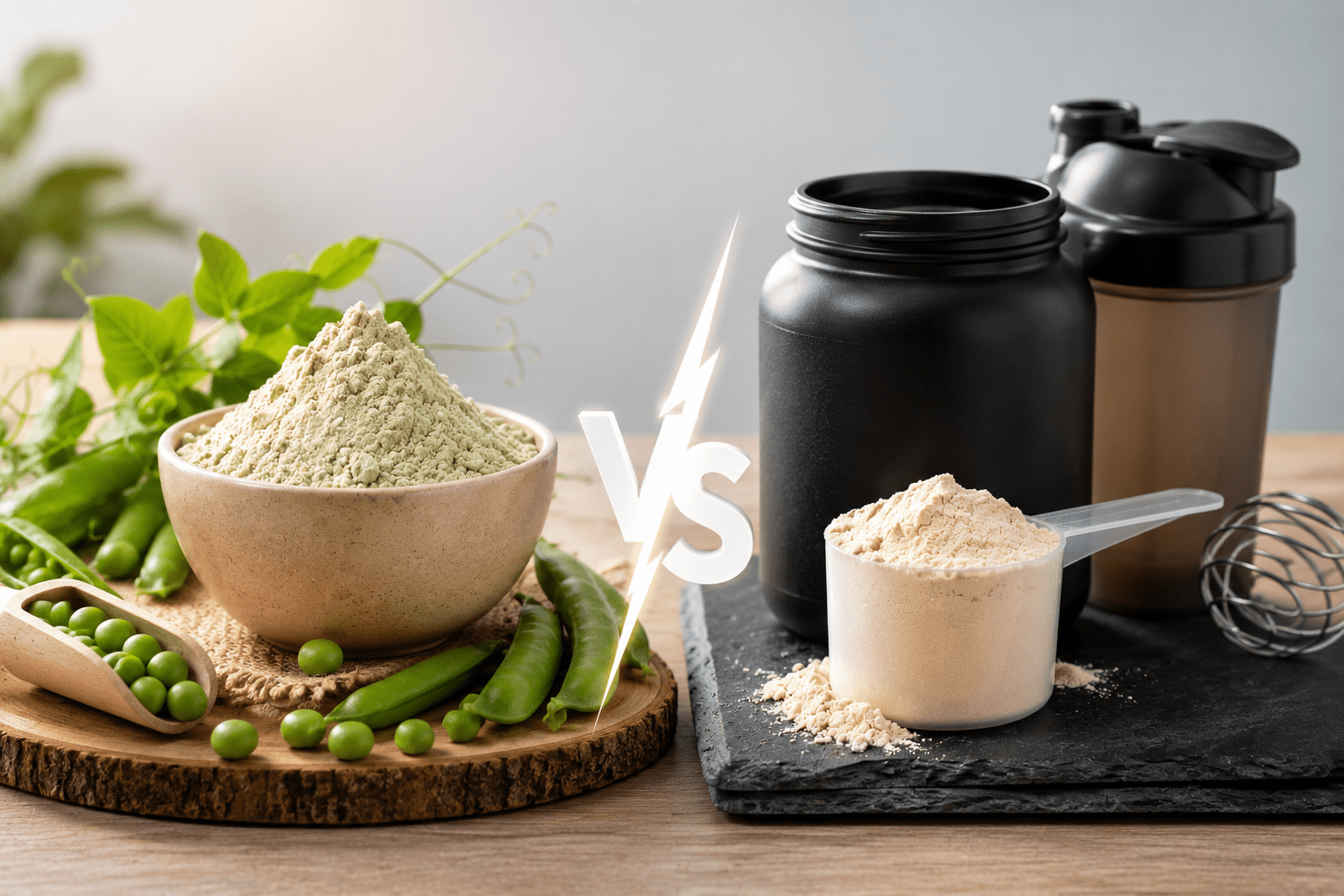
Plant Protein vs Whey for Muscle Gain
Whey protein still offers advantages in certain situations. It naturally contains more leucine, an amino acid that plays an important role in stimulating muscle protein synthesis. It is also rapidly digested, making it a popular choice immediately after exercise.
However, those differences are often smaller than many people expect. For individuals who consistently meet their daily protein requirements, research shows that overall protein intake matters more than whether the protein comes from whey or plants.
According to the National Academies of Sciences, Engineering, and Medicine, the Recommended Dietary Allowance for healthy adults is 0.8 grams of protein per kilogram of body weight per day, although athletes and highly active individuals often require more depending on their training demands.
This highlights why choosing a protein powder that you enjoy using every day is so important. A supplement that fits your dietary preferences is far more likely to become part of a consistent routine, helping you meet your nutrition goals over the long term.
Who Should Choose Plant-Based Protein Powder?
Plant-based protein powder is an excellent choice for more than just vegans. It is also well suited for people with lactose intolerance, those who prefer dairy-free nutrition, and anyone looking for a clean, convenient source of protein. Many active adults choose plant protein because it fits comfortably into a balanced diet while supporting strength training, recovery, and everyday wellness.
If ingredient quality is a priority, look for products with a simple formula, adequate protein per serving, and no unnecessary fillers or artificial sweeteners. SFH PURE PLANT is one example that fits this approach, making it a practical option for dairy-free, plant-based, and lactose-conscious users who want a clean protein supplement to complement an active lifestyle.
According to the U.S. Food and Drug Administration, dietary supplements are not approved for safety and effectiveness before they are marketed. This makes it important to buy from reputable companies that prioritize ingredient transparency and quality testing.
What to Look for in a Muscle-Building Plant Protein
A quality plant-based protein powder should provide enough protein to help you meet your daily intake goals while offering a balanced amino acid profile. Check the ingredient list for recognizable ingredients and avoid products overloaded with added sugar, artificial flavors, or unnecessary fillers.
Third-party testing is another valuable feature because it helps confirm label accuracy and product quality. While no supplement can replace a balanced diet, choosing a transparent brand gives you greater confidence that you are getting exactly what the label promises.
Quick Buyer's Checklist
Before purchasing a plant-based protein powder, ask yourself these questions:
· Does it provide at least 20 grams of protein per serving?
· Is the protein source clearly identified?
· Does it contain a balanced amino acid profile?
· Is it free from unnecessary fillers and excessive added sugar?
· Does the company emphasize quality testing and transparent labeling?
Using this simple checklist can help you narrow your choices and invest in a product that supports your long-term fitness goals.
Frequently Asked Questions
Is plant-based protein powder good for building muscle?
Yes. Research shows that high-quality plant-based protein powder can effectively support muscle growth when combined with resistance training and adequate daily protein intake.
Is plant protein as effective as whey?
Several studies have found similar improvements in muscle strength and body composition when total protein intake is sufficient, making plant protein a practical alternative for many people.
When should I take plant-based protein powder?
Many people consume it after workouts to support recovery, but it can also be used with breakfast or between meals to help meet daily protein goals.
What is the best plant-based protein for muscle gain?
Look for products that provide adequate protein, a balanced amino acid profile, clean ingredients, and transparent manufacturing practices.
Conclusion
So, is plant-based protein powder good for building muscle? The evidence says yes. Building muscle depends on consistent training, meeting your daily protein needs, and choosing a quality supplement that fits your lifestyle. Whether your goal is gaining strength, improving recovery, or maintaining lean muscle, a well-formulated plant protein can deliver excellent results. By focusing on protein quality, complete nutrition, and ingredient transparency, you can confidently choose a plant-based protein powder that supports both your performance and your long-term health.

Leave a comment
This site is protected by hCaptcha and the hCaptcha Privacy Policy and Terms of Service apply.