

Creatine is one of the most widely researched supplements in sports nutrition. For many years it has been associated primarily with strength athletes, powerlifting, and sports that rely on explosive movements. Because of this, endurance athletes often assumed creatine had little relevance for long-distance training.
However, endurance sports rarely involve perfectly steady effort. Modern endurance training includes interval workouts, tempo runs, race surges, and repeated bursts of high intensity. These efforts place additional demands on the body’s rapid energy systems, which is where creatine may play a role.
As a result, interest in creatine for endurance training has increased among runners, cyclists, and endurance athletes who want to improve training capacity, fatigue resistance, and recovery between sessions. Although creatine does not directly increase aerobic capacity, research suggests it may influence several aspects of performance that are important for endurance athletes, particularly during high-intensity segments of training.
How Creatine Supports Energy Production During Exercise
Muscles rely on a molecule called ATP (adenosine triphosphate) to fuel movement and contraction. ATP acts as the immediate source of energy for muscle cells during exercise.
Because ATP stores inside muscles are limited, the body must constantly regenerate it during physical activity. Creatine supports this process through the phosphocreatine system, which rapidly helps restore ATP during intense exercise.
When ATP is used, phosphocreatine donates a phosphate molecule to help rebuild ATP so muscles can continue producing force.
Research published in the Journal of the International Society of Sports Nutrition explains that creatine supplementation increases muscle phosphocreatine stores and improves the body’s ability to perform repeated high-intensity efforts.
Although endurance exercise relies mainly on aerobic metabolism, most endurance sports still involve periods of higher intensity that require rapid ATP regeneration.
Why Creatine Is Being Studied for Endurance Training
Endurance sports often involve changes in pace and bursts of effort rather than constant steady movement.
Examples include:
- sprint finishes
- climbing hills during races
- accelerating during tactical race
- surges interval training sessions
During these moments, the body shifts toward energy systems that rely more heavily on phosphocreatine.
A review published in Sports Medicine notes that creatine supplementation may improve performance during activities that involve repeated high-intensity efforts, which frequently occur in endurance sports.
Because of this, some endurance athletes explore creatine supplementation to support their ability to perform repeated bursts of effort during demanding training sessions.
Creatine for Runners and Endurance Athletes
Many runners and endurance athletes structure their training around a combination of steady aerobic workouts and high-intensity sessions designed to improve speed and fatigue resistance.
These workouts often include:
- interval training
- tempo runs
- hill repeats
- sprint efforts
During these sessions, the body repeatedly switches between aerobic and anaerobic energy systems.
Creatine may support these transitions by helping muscles regenerate ATP during intense bursts of effort. This can allow athletes to maintain higher output during repeated intervals or sprint efforts.
A study published in the European Journal of Applied Physiology found that creatine supplementation improved repeated sprint performance during high-intensity exercise.
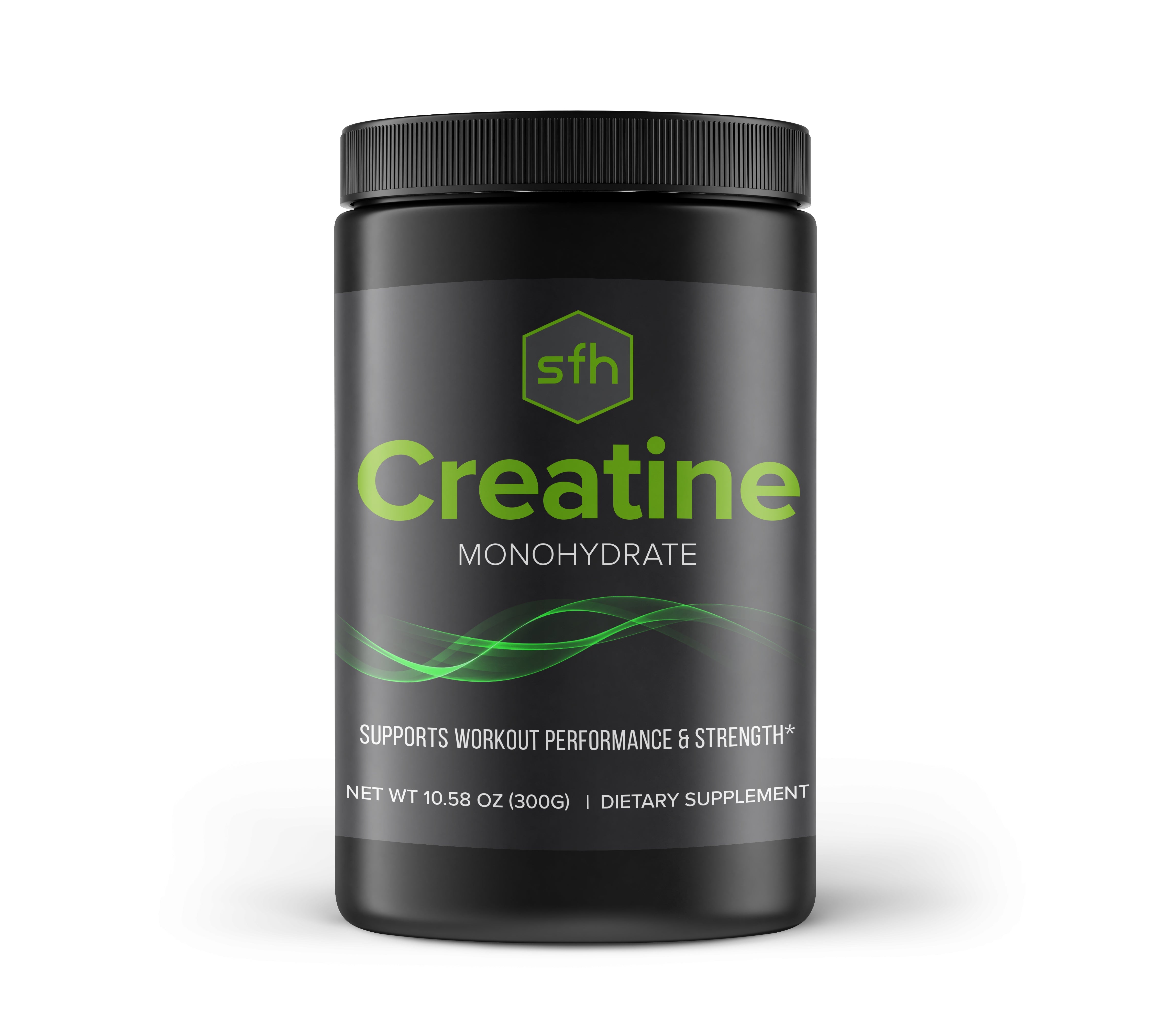
Some athletes incorporate creatine as part of their overall performance nutrition strategy. One example is the SFH Creatine Supplement, which provides creatine monohydrate to support ATP regeneration and high-intensity exercise performance.
When combined with structured endurance training, creatine supplementation may help support the rapid energy demands associated with interval sessions and race surges.
Creatine and Fatigue Resistance
Fatigue is one of the biggest challenges in endurance sports. As exercise continues, muscles gradually lose their ability to sustain force production due to metabolic stress and energy depletion.
Creatine may help support fatigue resistance by improving phosphocreatine availability during high-intensity efforts. When phosphocreatine stores are higher, muscles can regenerate ATP more efficiently.
Research published in Medicine and Science in Sports and Exercise suggests that creatine supplementation can improve muscular endurance and reduce fatigue during repeated high-intensity exercise bouts.
For endurance athletes, reducing fatigue during demanding training sessions may help improve workout quality and training consistency.
Creatine and Interval Training Performance
Interval training is widely used in endurance sports to improve speed, aerobic capacity, and performance under fatigue.
These workouts require the body to repeatedly produce high levels of energy within short periods of time.
Creatine supplementation may help support these workouts by increasing phosphocreatine availability during repeated efforts.
A study published in the Journal of Strength and Conditioning Research found that creatine supplementation improved performance during repeated high-intensity exercise and helped athletes maintain output across multiple efforts.
Because interval training is an essential component of endurance training programs, improving performance during these sessions may contribute to better overall endurance development.
Creatine and Recovery Between Workouts
Recovery is a key factor in endurance performance. Athletes often train several times per week, and their ability to recover between sessions can influence long-term progress.
Creatine may support recovery by helping restore phosphocreatine stores after intense exercise. Faster replenishment of these energy stores allows muscles to prepare for the next training session.
Some research also suggests creatine supplementation may reduce markers associated with muscle damage following intense exercise.
Many athletes include creatine as part of their broader sports nutrition strategy to support recovery and training consistency. For example, the SFH Creatine Supplement provides creatine monohydrate, one of the most widely studied forms of creatine used to support athletic performance and training capacity.
When combined with proper nutrition, hydration, and recovery practices, creatine supplementation may help endurance athletes maintain consistent training intensity.
Should Endurance Athletes Take Creatine?
Creatine is one of the most thoroughly studied supplements in sports nutrition. When used appropriately, it is generally considered safe for healthy adults.
According to the International Society of Sports Nutrition, creatine monohydrate is supported by extensive scientific evidence demonstrating its effectiveness for improving exercise performance and supporting training adaptations.
Endurance athletes who may benefit the most from creatine include those who:
- perform interval training
- include sprint efforts in their workouts
- compete in sports with frequent pace changes
- combine endurance and strength training
Although creatine does not directly increase aerobic endurance, it may support the rapid energy production required during intense segments of endurance training.
Frequently Asked Questions
Does creatine help endurance athletes?
Creatine may help endurance athletes perform repeated high-intensity efforts more effectively. While it does not directly improve aerobic endurance, it may support interval training performance and fatigue resistance during demanding workouts.
Is creatine good for runners?
Some runners use creatine to support sprint intervals, hill repeats, and speed workouts. These sessions rely on rapid ATP regeneration, which creatine helps support through the phosphocreatine energy system.
Does creatine increase stamina?
Creatine primarily supports short bursts of high-intensity exercise rather than long-duration stamina. However, by improving energy availability during intense efforts, it may indirectly support endurance training performance.
Can creatine improve interval training performance?
Yes, research suggests creatine supplementation may improve repeated high-intensity performance during interval workouts. This may help athletes maintain power output and reduce fatigue across multiple training intervals.
Conclusion
Creatine is widely recognized for its benefits in strength and power sports, but its potential role in endurance training is receiving growing attention.
Although creatine does not directly enhance aerobic capacity, it supports the body’s rapid energy system by helping regenerate ATP during intense efforts. This may allow endurance athletes to perform better during interval sessions, sprint segments, and other demanding parts of training.
For runners, cyclists, and other endurance athletes who regularly include high-intensity efforts in their programs, creatine supplementation may provide an additional strategy to support training capacity, fatigue resistance, and recovery.
As research continues to explore the relationship between creatine and endurance performance, athletes are gaining a clearer understanding of how this well-studied supplement may fit into modern endurance training programs.
Disclaimer: These statements have not been evaluated by the Food and Drug Administration. Products are not intended to diagnose, treat, cure, or prevent any disease.




Leave a comment
This site is protected by hCaptcha and the hCaptcha Privacy Policy and Terms of Service apply.