

Fish oil has become one of the most trusted supplements in the wellness space because it supports several key areas of health that matter to nearly everyone. While nutrition trends change often, omega-3 fatty acids remain a consistent focus because of the extensive research connecting them to brain, heart, and joint function. The body cannot produce omega-3 on its own, which means getting consistent and high-quality sources is essential for long-term well-being. Many people struggle to eat enough fatty fish weekly, so supplements that contain EPA and DHA provide an accessible option. These nutrients help reduce inflammation, nourish cells, and support important body systems that naturally change with age, activity level, and lifestyle. Understanding how fish oil works in the body can help you make informed choices about supporting your health today and as you get older.
How Fish Oil Supports Brain Health
The brain relies heavily on healthy fats for structure and function. About one-third of the fatty acids in the brain are DHA, which is one of the primary components of fish oil. DHA helps maintain the flexibility and integrity of brain cell membranes. This allows cells to communicate efficiently, which supports memory, focus, and overall cognitive performance.
Research shows that omega-3 intake is strongly connected to cognitive well-being. A study published by the National Institutes of Health found that DHA plays an important role in supporting brain development and maintenance across the lifespan.
Inflammation in the brain can interfere with mood balance and mental clarity. Omega-3 fatty acids help produce compounds called resolvins. These compounds help regulate the body’s natural inflammatory responses. For people who experience mental fatigue, high stress, or age-related cognitive slowing, consistent intake of EPA and DHA may contribute to a clearer and more balanced state of mind.
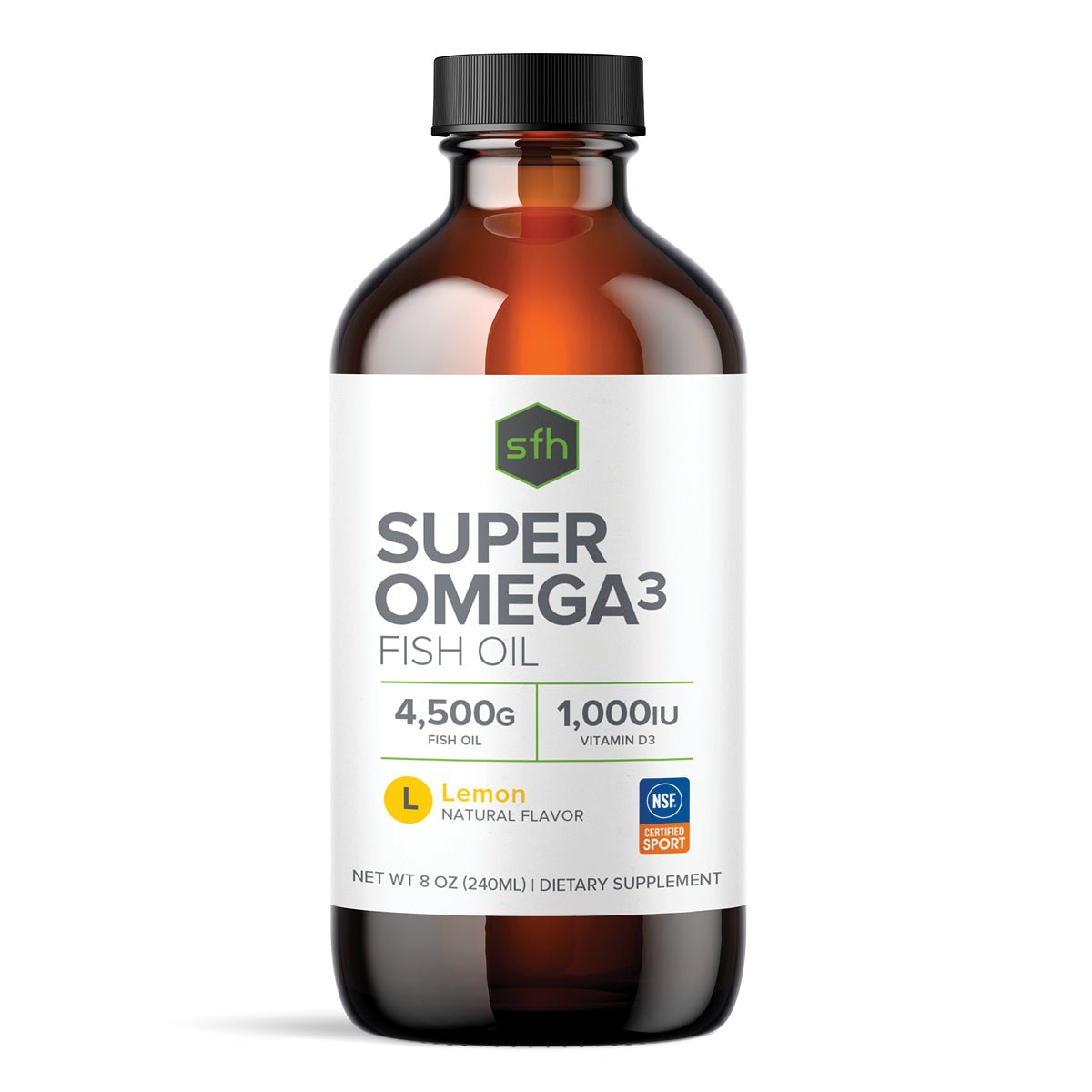
A gentle introduction to omega-3 supplementation can begin with a thoughtful daily formula such as the Super Omega 3 Fish Oil with Vitamin D3 found here. It is an easy way to support brain-friendly nutrients if your diet is sometimes inconsistent.
How Fish Oil Supports Heart Health
Heart health is one of the most researched areas connected to omega-3 fatty acids. The heart pumps blood constantly and needs strong, flexible arteries along with balanced lipid levels to function optimally. EPA and DHA help support these processes in several ways.
One of the most well-known benefits of omega-3 is its ability to support healthy triglyceride levels. High triglycerides are associated with cardiovascular concerns. Research from the American Heart Association highlights that omega-3 fatty acids can help reduce triglycerides and support overall cardiovascular wellness.
Fish oil also supports the health of blood vessel linings. These linings influence how easily blood flows. When vessels remain flexible and clear, the heart experiences less strain. Omega 3 fatty acids also help support balanced blood pressure levels, which contributes to long term cardiovascular protection.
Omega-3s support the heart through their influence on inflammation as well. Chronic inflammation can affect the arteries over time, so nutrients that calm the inflammatory response may promote healthier aging and greater cardiovascular resilience.
When you choose a supplement that combines omega-3 with Vitamin D3, you receive heart-supportive nutrients that work together in a balanced way. A wellness routine that includes Super Omega 3 Fish Oil with Vitamin D3 can help ensure consistent intake of these supportive compounds:

How Fish Oil Supports Joint Health
Joint comfort influences mobility, energy, and day-to-day ease. Over time or with intense physical activity, joints experience stress that may lead to stiffness or discomfort. Many of these challenges relate to inflammation in the tissues surrounding the joints.
Omega 3 fatty acids play a meaningful role in supporting joint well-being because of their natural inflammation-balancing properties. EPA helps produce molecules that regulate inflammatory activity in the body. This may support smoother movement and reduce morning stiffness for some individuals.
A study published in the journal Nutrients found that omega-3 supplementation may help improve joint function and reduce discomfort for people with inflammatory joint concerns.
Athletes often turn to omega-3s to support joint recovery after intense training. Seniors appreciate their ability to contribute to overall mobility and ease of movement. For general wellness, fish oil provides a foundation that supports the body’s natural repair processes. When taken consistently, omega-3 supplements can complement stretching, physical therapy, or strength training by helping the body maintain comfortable, flexible joints.
DHA vs EPA and Why Both Matter
While DHA and EPA are often discussed together, they each perform unique and important functions. Studies say DHA is especially supportive for the brain because it helps maintain the structure of neurons. It is essential for clear thinking, memory, and a balanced mood.
Studies say EPA works more prominently in the body’s inflammatory pathways. This makes it particularly helpful for joint comfort, heart health, and overall systemic balance.
A high-quality supplement will contain both DHA and EPA in meaningful amounts. Most wellness-focused formulas aim for a blend that supports a full spectrum of bodily functions rather than targeting just one area.
A combined formula such as Super Omega 3 Fish Oil with Vitamin D3, available here, provides both fatty acids in a convenient daily serving that fits into most wellness routines.
How Long Does Fish Oil Takes to Work
People often wonder how quickly they will feel or notice a difference after starting omega-3 supplements. The timeline is still being studied and depends on the area of health being supported.
Brain health
Because DHA accumulates in brain cell membranes, this process can take several weeks. Many people begin noticing improvements in clarity, calmness, or focus within four to six weeks.
Heart health
Triglyceride levels and inflammatory markers may begin shifting within several weeks of consistent intake. Most research studies observe results after at least eight to twelve weeks of supplementation.
https://ods.od.nih.gov/factsheets/Omega3FattyAcids-HealthProfessional/?utm_source=chatgpt.com
Joint health
Joint comfort improvements often appear gradually. Some individuals feel benefits within four weeks, while others notice steady progress over two to three months.
Supplementation works best when taken consistently, ideally with meals to enhance absorption.
Dosage, Safety, and Quality Tips
Choosing a high-quality fish oil supplement supports both effectiveness and safety. Look for products that are purified to remove heavy metals and contaminants. Third-party testing is an excellent sign of transparency and quality control.
Aim for a daily intake that provides several hundred milligrams of both EPA and DHA. Many expert organizations recommend 2-4 grams of combined EPA and DHA per day for general health, though specific needs vary with age, diet, activity level, and wellness goals.
Vitamin D3 is another essential nutrient for overall well-being, especially for bone health, immune function, and mood support. Combining Vitamin D3 with omega-3 fatty acids offers a convenient way to support multiple systems at once.
As always, it is wise to speak with a healthcare provider if you take blood-thinning medications or have underlying medical conditions. Most people tolerate fish oil very well, and choosing a clean, high-purity product helps ensure a positive experience.
Quick FAQs
Can I get enough omega-3 from food alone?
Fatty fish like salmon, sardines, and mackerel are excellent sources, but many people do not consume them regularly enough to meet recommended intake levels.
Is fish oil safe for daily use?
Most people can take fish oil daily. Discuss your routine with a healthcare provider if you have specific health considerations.
What is the difference between fish oil and krill oil?
Both contain EPA and DHA, but fish oil often provides a higher amount per serving and is more widely studied.
Can fish oil support mood balance?
Research suggests omega-3s may support healthy emotional well-being through their influence on brain cell communication and inflammation.
Conclusion
Fish oil offers a simple and supportive way to nourish the brain, heart, and joints. Its unique combination of DHA and EPA helps maintain cognitive clarity, supports cardiovascular resilience, and encourages smooth and comfortable movement. With consistent use, it can become a valuable part of a long-term wellness routine that feels sustainable and accessible for people of all ages and lifestyles.
Disclaimer: These statements have not been evaluated by the Food and Drug Administration. Products are not intended to diagnose, treat, cure, or prevent any disease.



Leave a comment
This site is protected by hCaptcha and the hCaptcha Privacy Policy and Terms of Service apply.