

Muscle recovery is a vital part of physical progress because the adaptations people train for do not happen during workouts but during the period that follows. When someone lifts weights, runs, cycles, or performs any repeated muscular effort, the fibers in the muscles experience micro stress that the body must repair. This repair process depends on nutrient availability, adequate energy production inside the cells, balanced inflammation, and proper muscle relaxation. Without consistent recovery support, progress slows, soreness may linger for longer than necessary, and performance across training sessions becomes inconsistent. Although whole foods and structured rest lay the foundation for recovery, certain supplements have been studied extensively for their ability to contribute to muscle repair, reduce exercise-related discomfort, and support overall physiological readiness for the next workout. The following sections explore five well-known supplements, each backed by existing research, that play different roles in supporting recovery and promoting healthier muscle function.

Top Supplements for Muscle Recovery and Repair
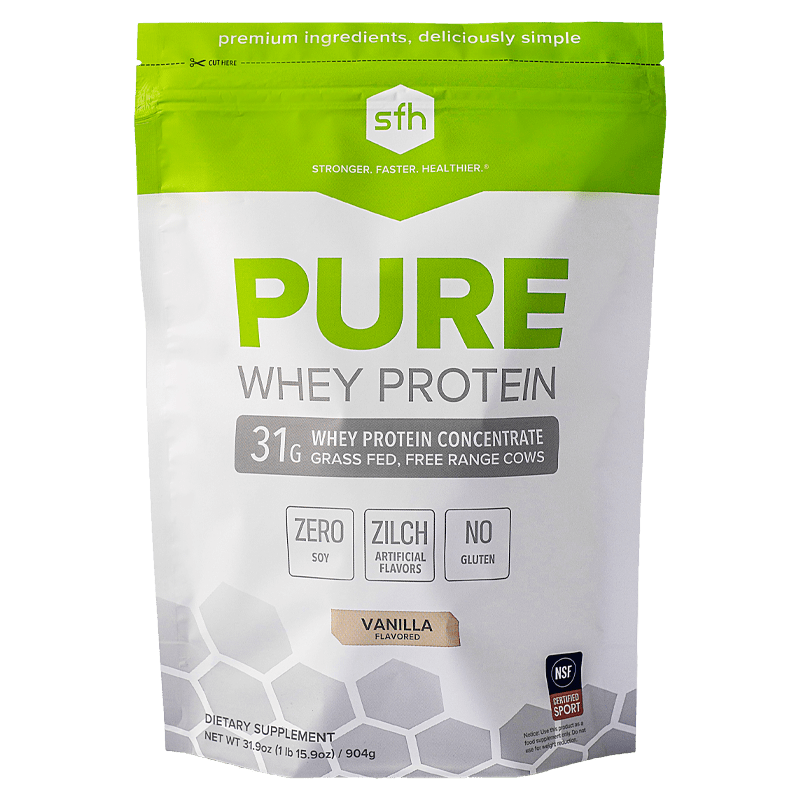
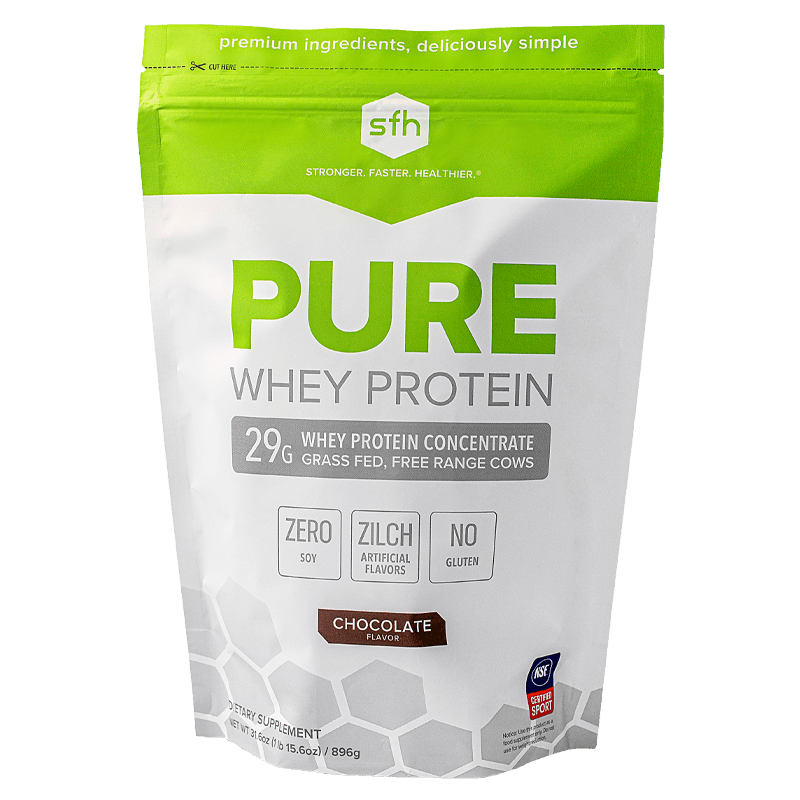
Whey Protein
Whey protein is one of the most researched supplements for muscle repair because it contains essential amino acids that directly support muscle protein synthesis. It has a particularly high leucine content, which activates the pathway responsible for rebuilding damaged muscle fibers. A study in the Journal of the International Society of Sports Nutrition found that whey protein consumed after resistance training reduced markers of muscle damage and helped promote faster recovery, supporting both strength gains and improved muscle density.
Because whey digests quickly, it is especially effective during the post-workout period when the body is primed to absorb amino acids more efficiently. Its rapid absorption makes it suitable for supporting immediate tissue repair, while its complete amino acid profile supports ongoing recovery throughout the day. Individuals who engage in strength training, endurance activity, or mixed conditioning often use whey protein to ensure they consistently provide the raw materials their muscles require. Over time, this contributes to improved muscle adaptation, reduced soreness, and better progression throughout a training cycle.
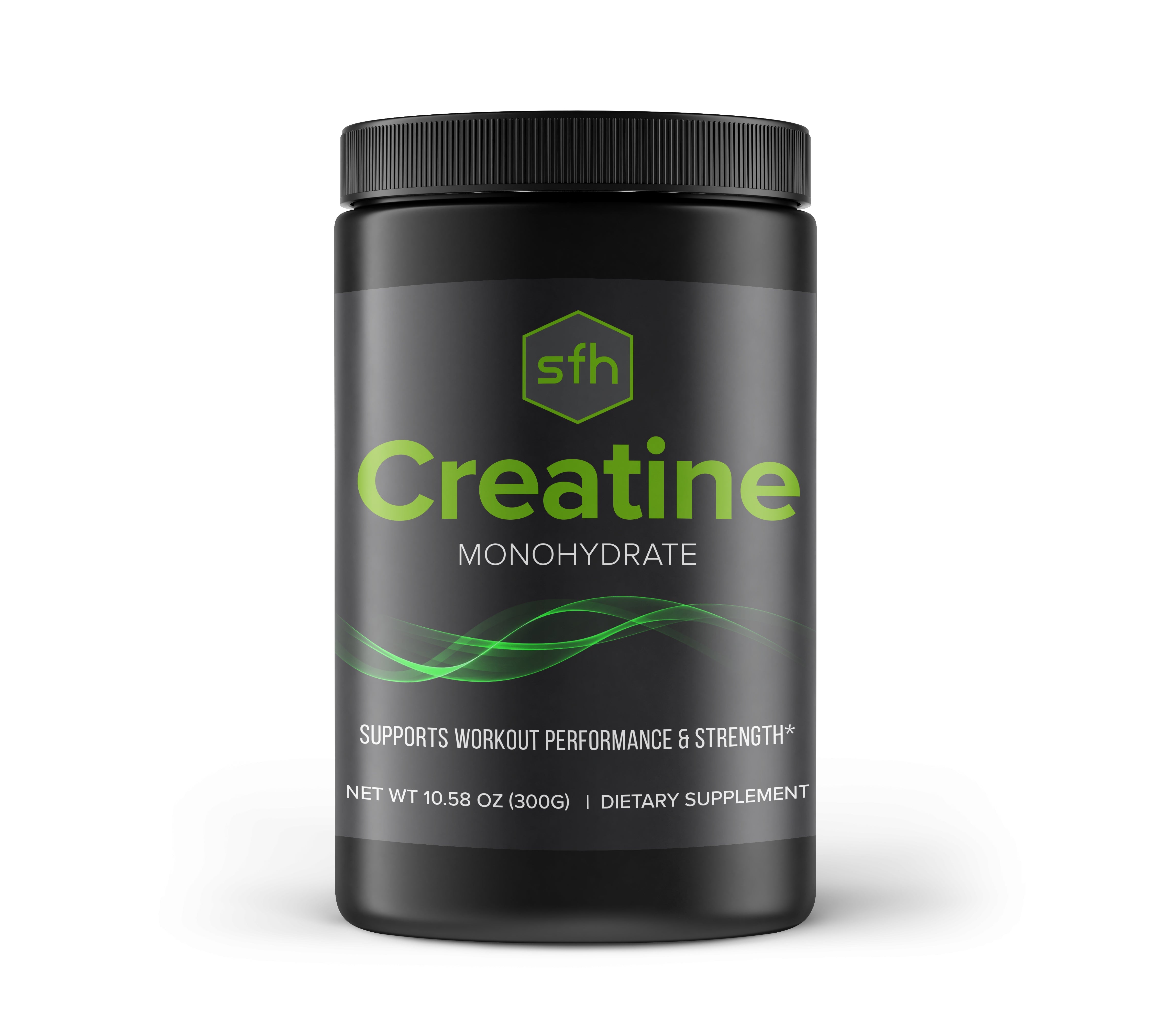
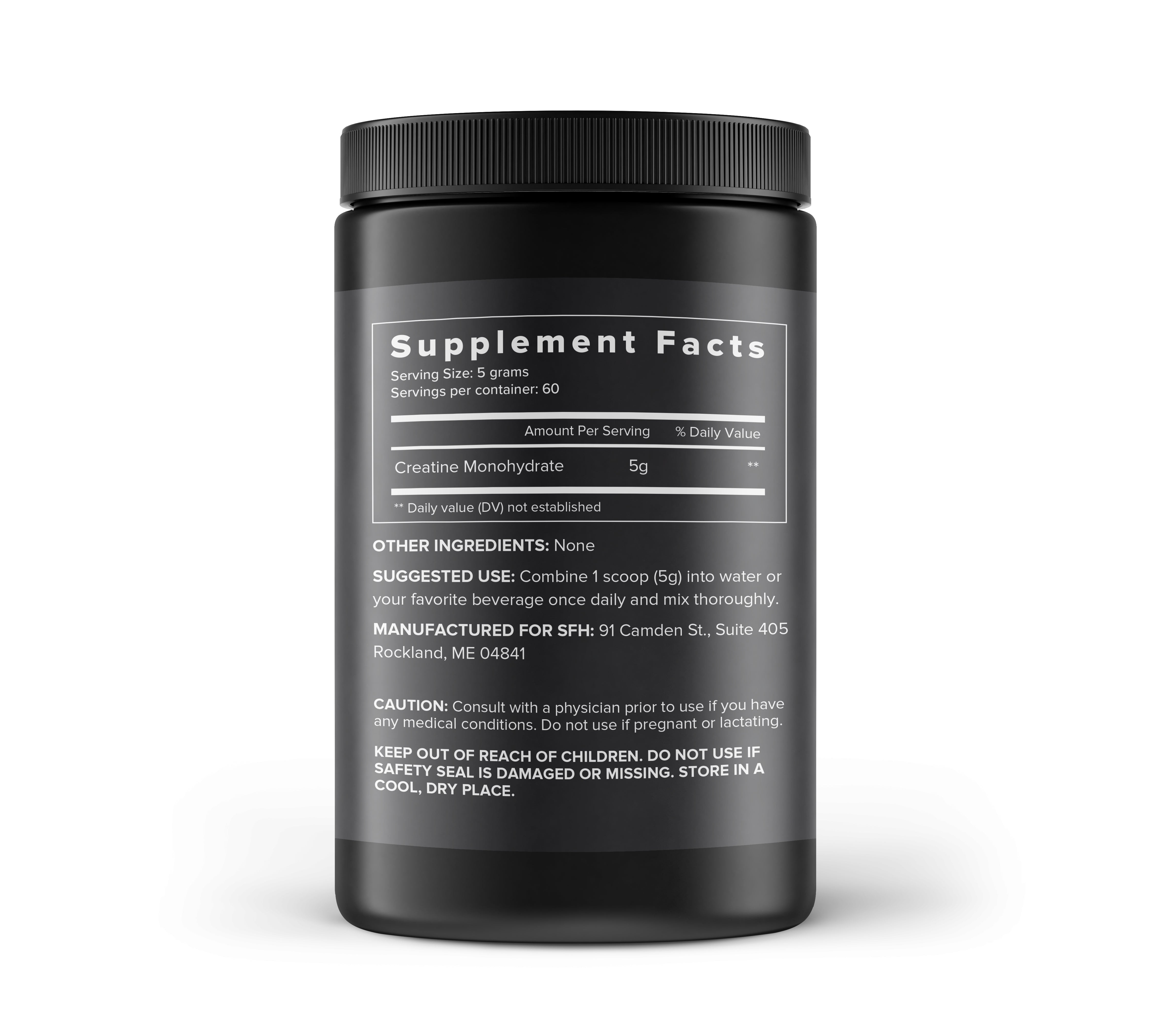
Creatine
Creatine is widely known for enhancing high-intensity performance, yet it also contributes to muscle recovery by supporting the body’s ability to regenerate ATP, the immediate form of energy muscles rely on during explosive movements. When ATP regenerates efficiently, the muscles experience less cumulative fatigue, which helps improve readiness for the next training session. Research published in Springer observed that creatine supplementation reduced muscle cell damage and promoted a faster return to baseline after intense exercise.
Although creatine does not directly rebuild tissue, its influence on cellular energy supports the repair cycle indirectly by reducing overall strain. People who use creatine tend to perform more consistent repetitions or maintain better output across workouts, which ultimately contributes to improved recovery. It is beneficial for lifters, sprinters, and individuals who regularly challenge their muscles through intervals or fast-paced training. With long-term use, creatine helps promote greater training efficiency and aids recovery through enhanced energy availability.
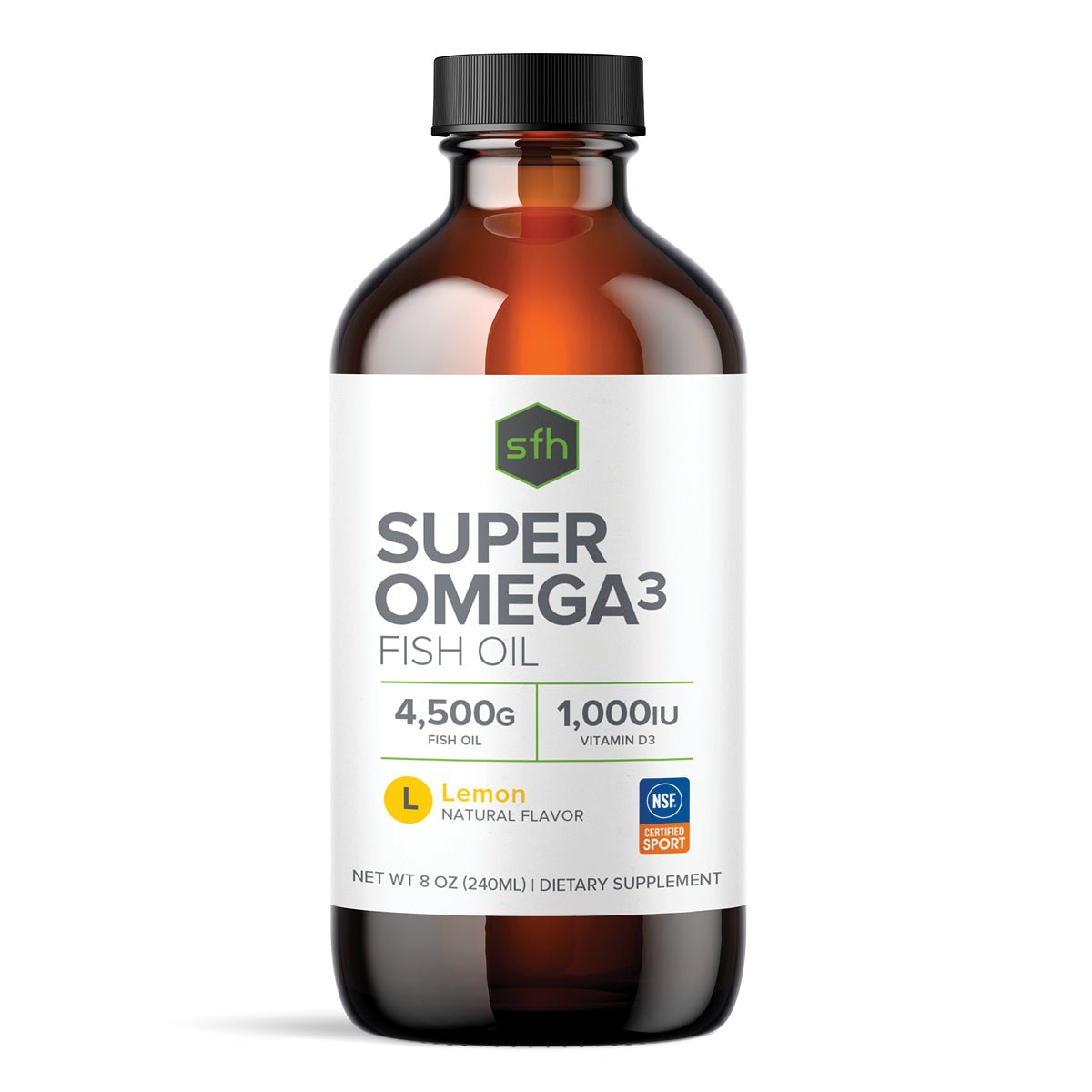
Omega 3
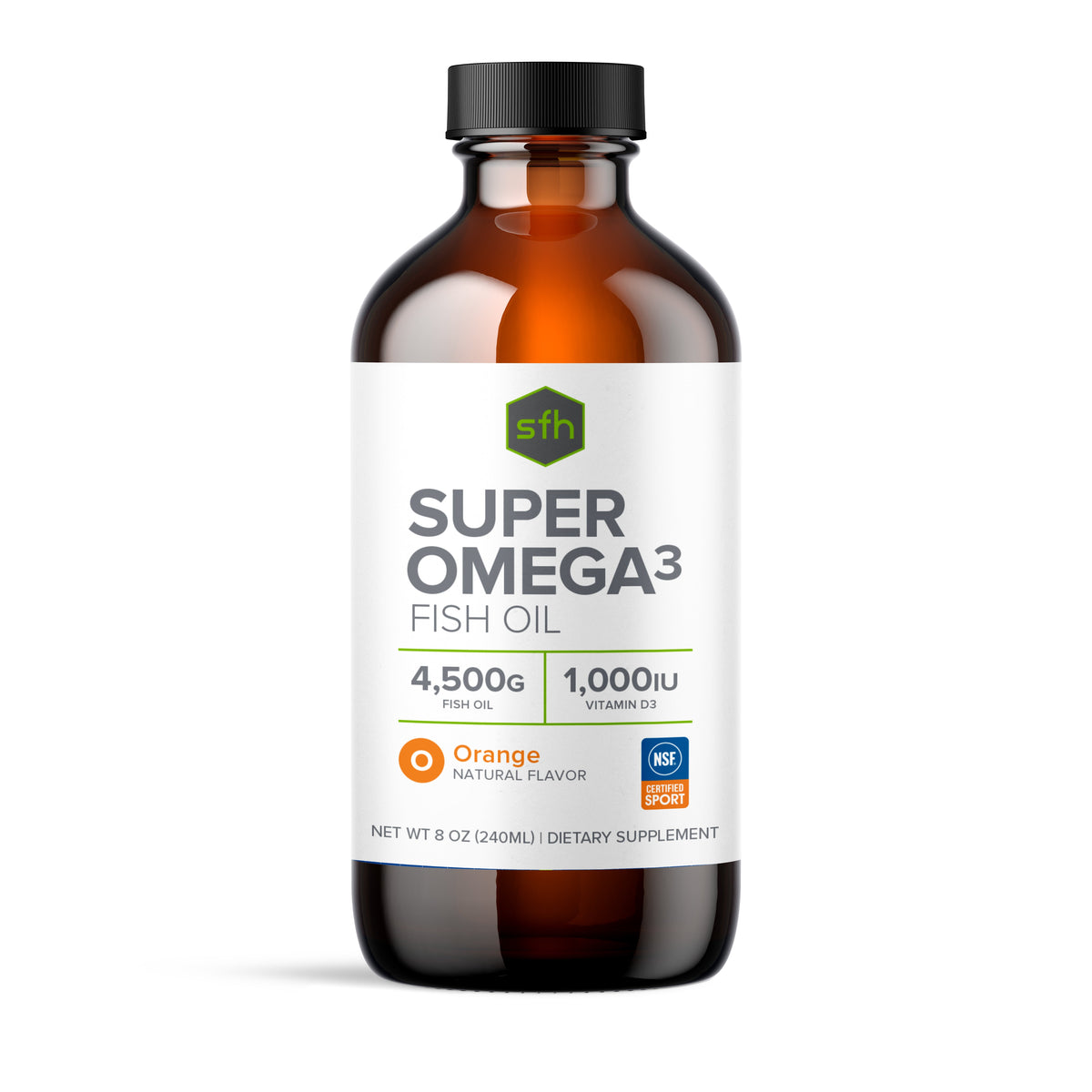
Omega 3 fatty acids support muscle recovery through their role in inflammation balance. When someone performs strenuous exercise, inflammation naturally rises to initiate tissue repair. Omega 3 intake may help regulate this response and reduce lingering discomfort or stiffness after training. A study published in MDPI reported that EPA and DHA supplementation reduced soreness and improved muscle function after exercise induced muscle damage.
Omega 3 supports recovery both directly and indirectly. Its influence on joint comfort can make movement smoother during the days following hard workouts. Its cardiovascular benefits help support oxygen delivery to recovering muscle tissue. People who run, lift, or engage in recreational fitness often find that omega 3 contributes to better mobility and a more comfortable transition into subsequent training sessions. Because inflammation is part of a healthy recovery cycle, omega 3 does not eliminate this response but helps it remain within a range that supports effective repair rather than prolonged soreness.
Magnesium
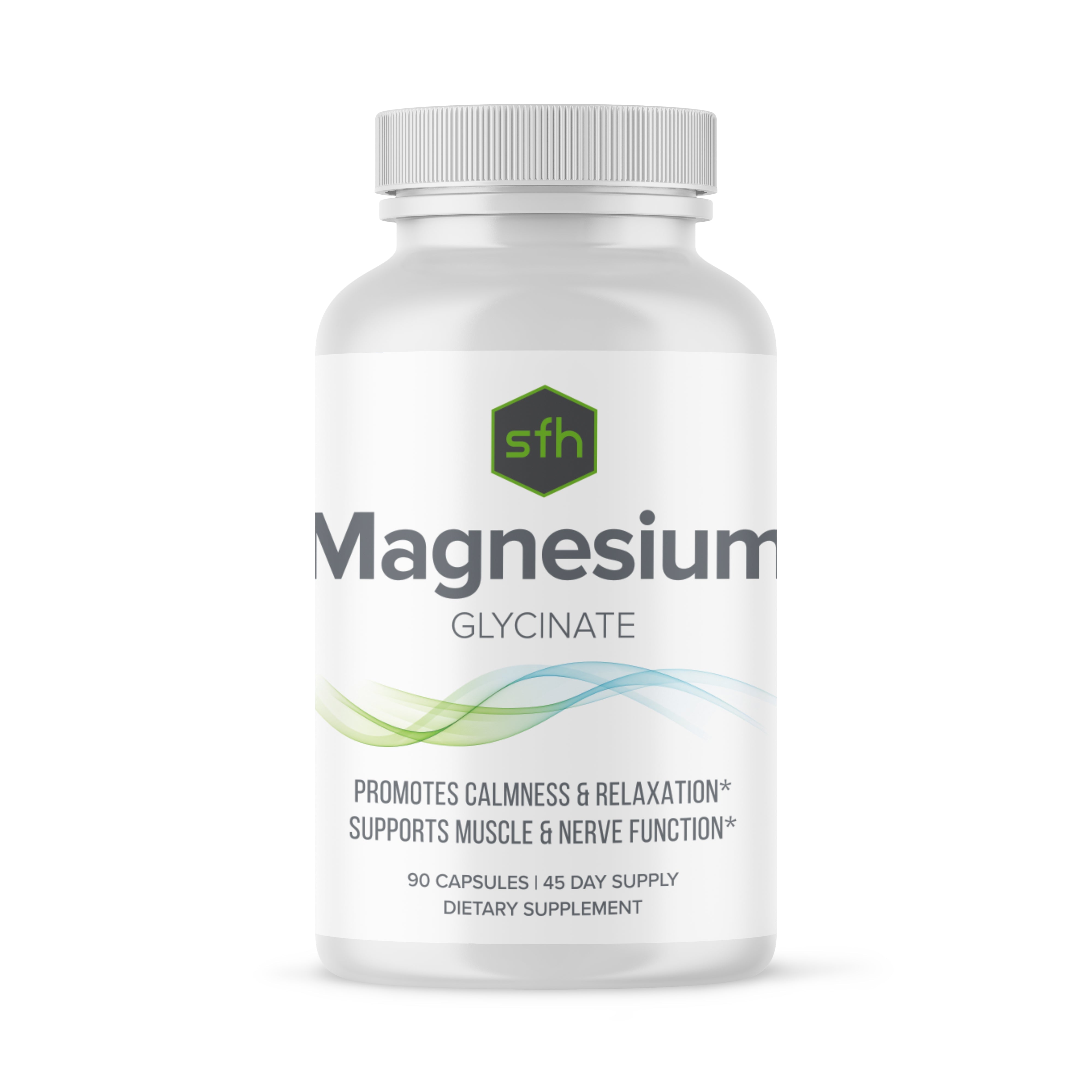
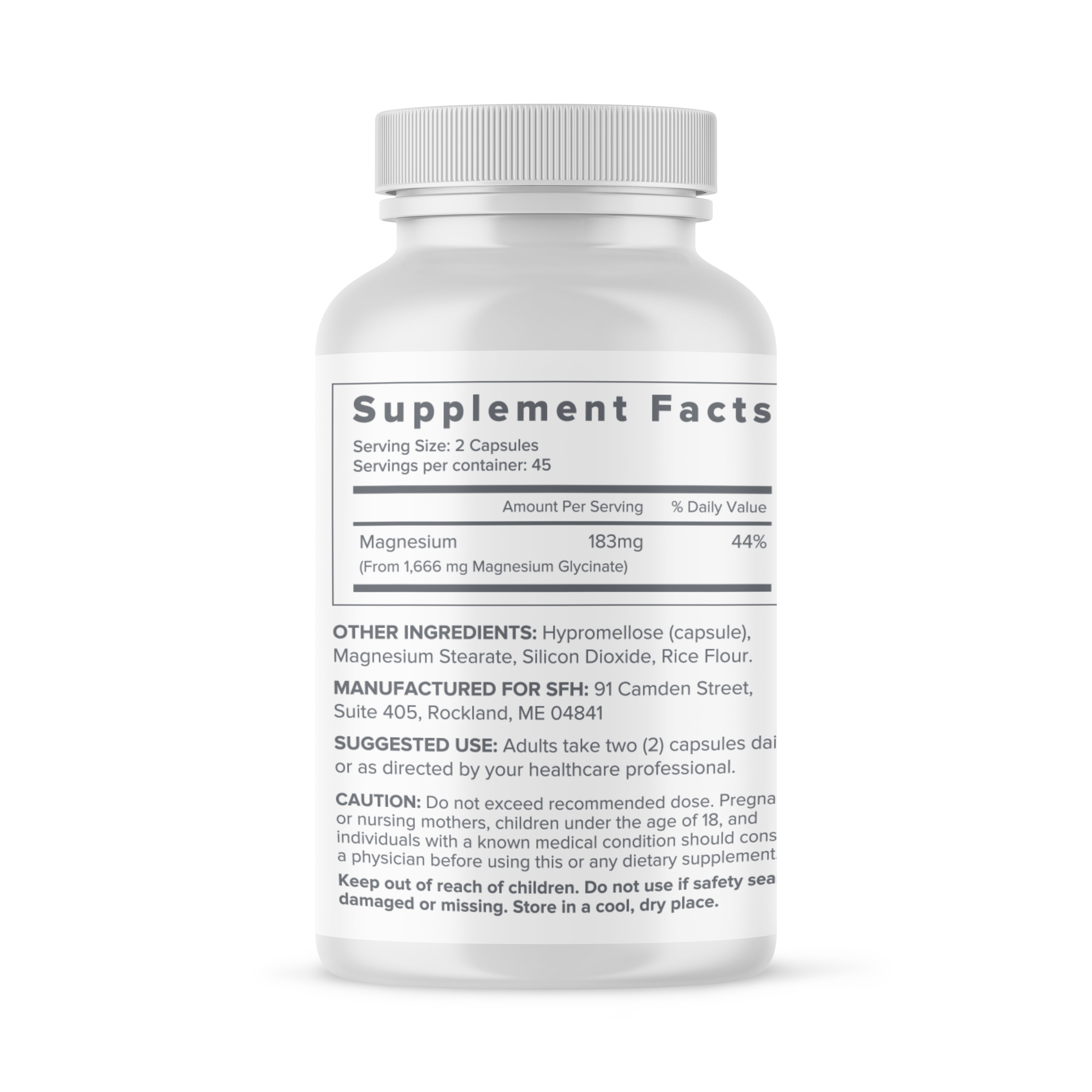
Magnesium is essential for proper muscle relaxation, energy production, and neuromuscular signaling. Many individuals do not consume enough magnesium through food, which can contribute to increased muscle tightness or discomfort after physical activity. Magnesium glycinate is a frequently used form because it is gentle and efficiently absorbed. According to the National Institutes of Health, magnesium participates in hundreds of biochemical reactions, including those that govern muscle contraction and relaxation, making it important for recovery.
Magnesium supports the post-workout unwinding period by helping muscles return to a relaxed state after tension-inducing activities. It also supports deeper sleep, which allows the body to repair tissues more effectively. People who train several times a week or who experience regular tightness may find consistent magnesium intake helpful for maintaining comfort and promoting steady recovery. Its ability to support the nervous system and muscular system simultaneously makes it a versatile tool for overall recovery.
CoQ10
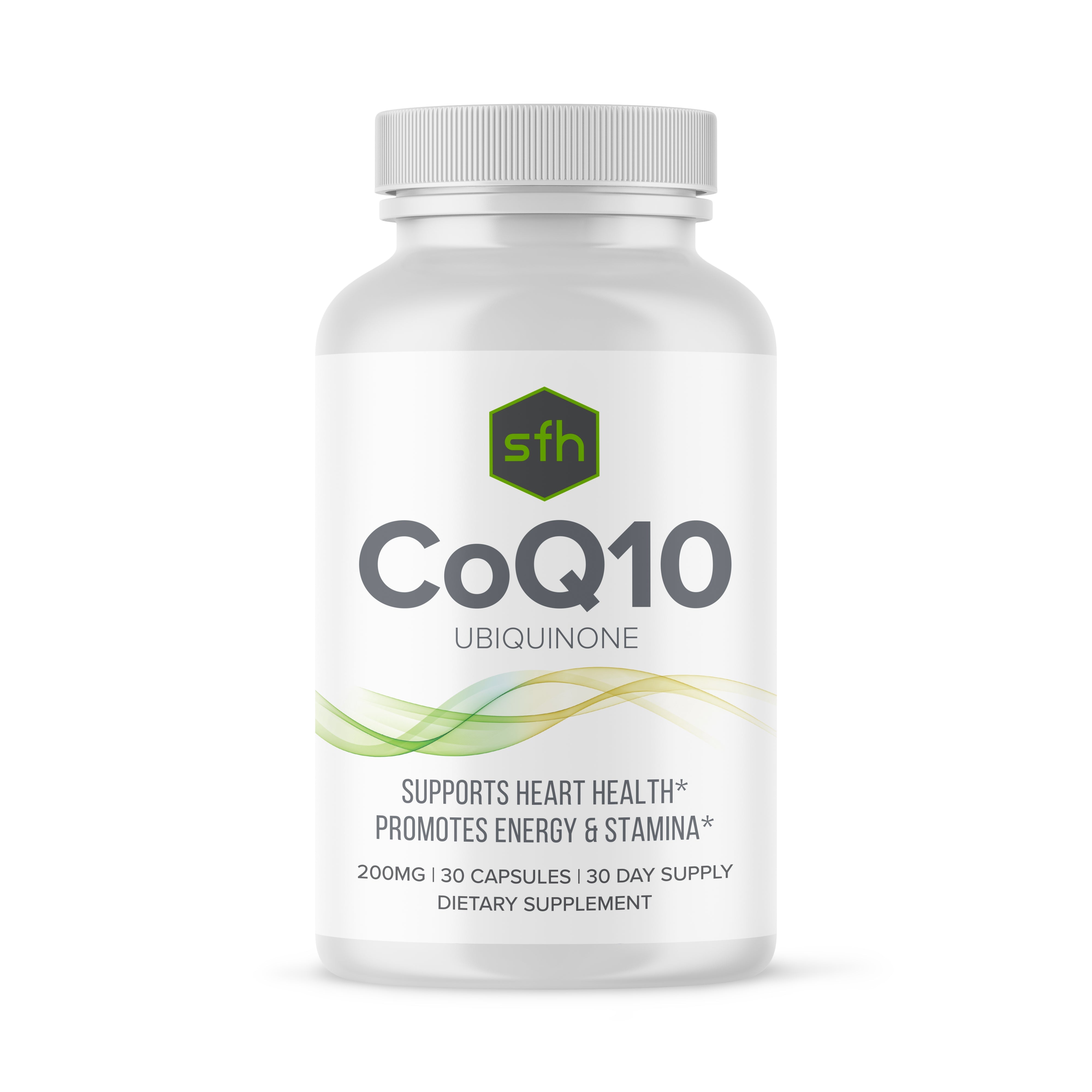
CoQ10 supports muscle recovery by contributing to cellular energy production. It plays a major role within the mitochondria, which act as energy centers for the muscle cells. When CoQ10 levels decline, either due to age or repeated physical exertion, energy availability may decrease. A study published on Springer found that CoQ10 supplementation reduced exercise related fatigue and improved recovery markers among active adults.
While CoQ10 does not supply amino acids or directly assist with inflammation, it helps maintain the efficiency of cellular processes that support physical restoration. People who feel drained after challenging workouts or who want to sustain long-term training may find CoQ10 valuable. Its contribution to mitochondrial function complements other recovery-focused supplements by supporting the internal systems that regulate energy and repair.
How to Choose the Right Supplements for Recovery
Choosing the right supplements depends on understanding how each one supports the body and how individual training patterns create different physical demands. Those who prioritize direct muscle repair often choose whey protein because of its amino acid content and rapid digestion, which supports the immediate rebuilding of tissue. Individuals who train in ways that demand repeated high-intensity efforts may choose creatine, as it helps restore energy between bouts of exertion. People who experience extended soreness or stiffness often consider omega-3 because of its influence on inflammation balance and joint comfort. Anyone dealing with tension or difficulty relaxing their muscles after activity may choose magnesium, which supports neuromuscular calm and deeper rest. Individuals who want to maintain steady energy or support long-term training consistency may consider CoQ10 for its role in mitochondrial function. Evaluating personal training frequency, intensity, soreness patterns, and energy levels helps determine which supplements best match recovery needs.
Frequently Asked Questions
Which supplement is most essential for muscle recovery?
Protein is typically viewed as the most essential because it provides amino acids needed to rebuild muscle fibers after workouts.
How long does it take to feel improvements from recovery supplements?
Most supplements support recovery gradually, and noticeable changes usually appear with consistent use over several weeks.
Are these supplements appropriate for beginners?
Beginners often use these supplements, though individual nutritional needs and comfort levels should guide decisions.
Can supplements fully replace food for recovery?
No, whole foods remain central. Supplements assist recovery by filling gaps and supporting specific physiological processes.
Conclusion
Muscle recovery influences how well the body adapts to exercise, how comfortable movement feels in the days that follow, and how consistently someone can train. Whey protein, creatine, omega-3, magnesium, and CoQ10 each support different aspects of recovery, from supplying amino acids and restoring energy to balancing inflammation and supporting cellular function. When used thoughtfully alongside a balanced diet and structured training routine, these supplements help the body repair more effectively, maintain energy, and stay prepared for ongoing physical activity.
Recovery is not only about addressing soreness but also about supporting the physiological processes that allow muscles to grow stronger and more resilient over time. By understanding how each supplement contributes to the recovery cycle, individuals can make choices that align with their goals, training style, and overall well-being. Over time, consistent recovery support can enhance performance, reduce interruptions in training, and help create a more sustainable long-term fitness journey. Supplements help the body repair more effectively, maintain energy, and stay prepared for ongoing physical activity.
*These statements have not been evaluated by the Food and Drug Administration. These products are not intended to diagnose, treat, cure or prevent any disease.



Leave a comment
This site is protected by hCaptcha and the hCaptcha Privacy Policy and Terms of Service apply.