
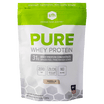



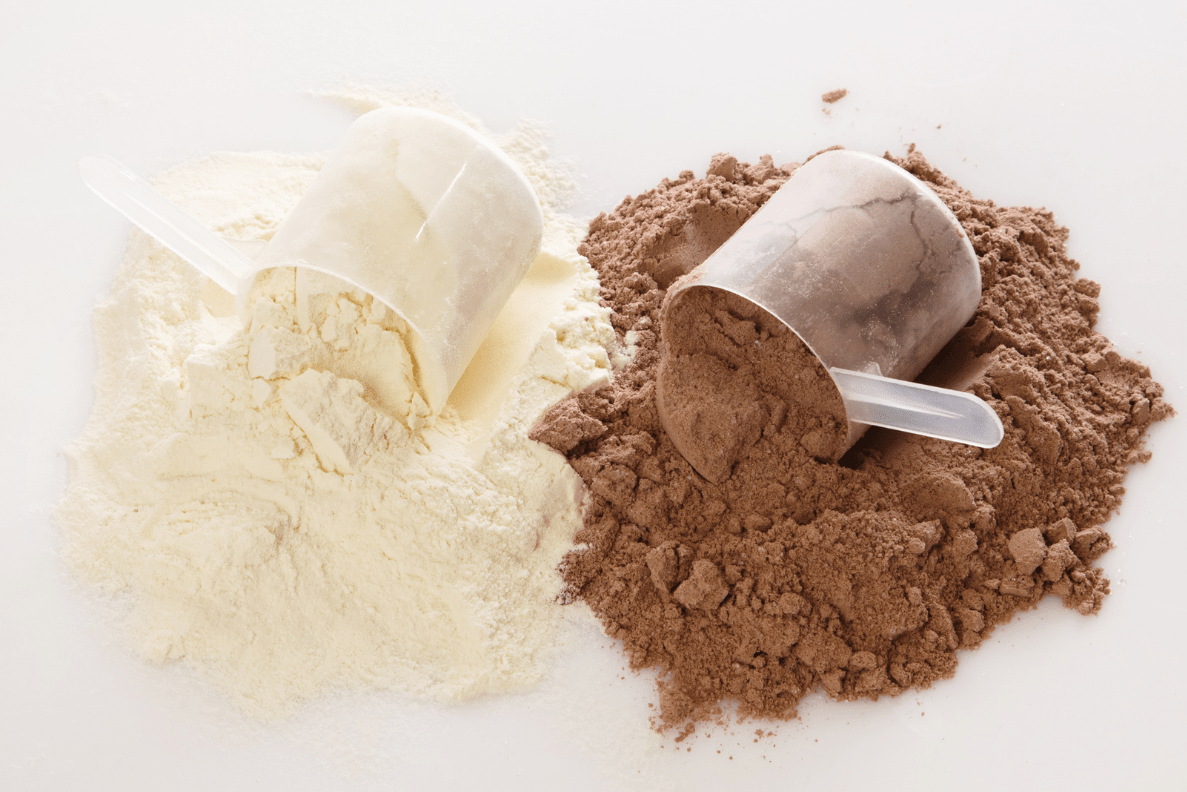
Protein powder is one of the most widely used dietary supplements in the United States. It is consumed by athletes, active adults, older individuals aiming to preserve muscle mass, and people who simply need a convenient way to meet daily protein requirements. With growing demand has come an explosion of options, most labeled natural, pure, advanced, or clean. While these words sound reassuring, they often reveal little about what is actually inside the container.
Many consumers assume that a higher price or premium packaging automatically means better ingredient quality. In reality, price and branding do not always reflect formulation standards. Some expensive products still contain artificial additives, while some simpler formulas focus primarily on protein quality and ingredient transparency.
If you want to choose clean protein powder without artificial ingredients, the answer is not on the front of the label. It is in the ingredient list. Understanding how to choose clean protein powder requires knowing what clean realistically means, what ingredients to avoid in protein powder, and how to evaluate a formula based on transparency rather than marketing language.
Why Ingredient Quality Matters
Protein supplementation is not a niche trend. According to the Council for Responsible Nutrition’s 2023 Consumer Survey, 75 percent of U.S. adults report taking dietary supplements, and protein supplements remain among the most popular categories.
Because protein powder is often consumed daily, sometimes multiple times per day, ingredient quality becomes more significant than with occasional supplements. Consistency magnifies exposure. A product used once in a while may not raise concerns, but something consumed every morning deserves closer scrutiny.
From a scientific standpoint, protein supplementation itself is well supported. The International Society of Sports Nutrition states that protein supplementation can enhance muscle mass and strength when combined with resistance training. It also reports that physically active individuals benefit from daily protein intake between 1.4 and 2.0 grams per kilogram of body weight.
Protein can support performance, recovery, and satiety. For individuals trying to maintain lean mass while reducing calories, adequate protein intake may also help preserve muscle during weight loss. The key issue is whether the surrounding ingredients align with your expectations for clean protein powder without artificial ingredients.
What “Clean Protein Powder” Actually Means
The term clean protein powder has no official regulatory definition. It reflects consumer expectations rather than legally defined standards. Because of this, companies can use the word clean without meeting a uniform set of criteria.
In practice, when consumers search for clean protein powder without artificial ingredients, they usually mean a product that avoids artificial sweeteners, avoids artificial flavors, avoids synthetic colors, clearly identifies its protein source, and maintains a relatively short and understandable ingredient list.
Clean often implies minimal processing and straightforward formulation. It suggests that each ingredient serves a purpose and that unnecessary additives have been excluded. However, this interpretation varies from person to person.
It is also important to recognize that the word natural does not guarantee the absence of artificial additives. The U.S. Food and Drug Administration has not formally defined the term natural for most food labeling contexts.
This makes ingredient transparency more important than branding language. The ingredient panel is the only reliable way to confirm whether a product meets your personal definition of clean.
What Ingredients to Avoid in Protein Powder
When evaluating what ingredients to avoid in protein powder, three main categories typically draw attention.
Artificial Sweeteners
Artificial sweeteners are commonly added to improve taste without increasing sugar or calorie content. Examples include sucralose, aspartame, and acesulfame potassium. The U.S. Food and Drug Administration has approved several high-intensity sweeteners for use in food within established acceptable daily intake levels.
Although considered safe within regulatory limits, many individuals prefer protein powder without artificial sweeteners due to taste preference or digestive comfort. Some people report a lingering aftertaste with certain sweeteners, while others prefer to avoid highly processed additives when possible.
If avoiding these ingredients is part of your standard for clean protein powder without artificial ingredients, the ingredient list is where you confirm their absence. They must be listed individually, making them relatively easy to identify.
Artificial Flavors and Synthetic Colors
Artificial flavors are chemically synthesized compounds designed to replicate specific taste profiles. Artificial colors are synthetic dyes used to influence appearance rather than nutrition.
While these ingredients are regulated, they add no protein value. The Environmental Working Group has reported concerns regarding the widespread use of synthetic food dyes in processed foods.
For those seeking protein powder without artificial flavors, reviewing the ingredient list carefully is essential. Clean protein powder typically minimizes cosmetic additives and focuses primarily on nutritional function rather than enhanced visual appeal.
Fillers and Texture Additives
Protein powders frequently contain stabilizers such as xanthan gum, guar gum, or carrageenan to improve texture and mixability. These ingredients help prevent clumping and create a smoother mouthfeel when blended.
Carrageenan has been evaluated by the Joint FAO and WHO Expert Committee on Food Additives and deemed safe within specified limits.
Even so, consumers seeking minimal ingredient protein powder may prefer shorter ingredient lists with fewer additional stabilizers. The presence of such ingredients does not automatically make a product unsuitable, but understanding their function allows informed decision making rather than assumption.
Evaluating the Protein Source
Avoiding artificial ingredients is only one part of how to choose clean protein powder. The protein source itself should be clear and transparent.
Ingredients are listed in descending order by weight. The first ingredient should always be the protein source. If the first ingredient is not clearly identified protein, that is worth reconsidering.
Whey protein is one of the most researched forms of supplemental protein. According to the International Society of Sports Nutrition, whey protein contains high levels of essential amino acids, including leucine, which plays a key role in stimulating muscle protein synthesis.
Whey isolate typically contains a higher percentage of protein and less lactose compared to whey concentrate. Plant-based proteins such as pea protein provide alternatives for individuals avoiding dairy. Each source has different characteristics, so clarity matters when evaluating overall quality.
A clean product should clearly state whether it uses whey isolate, whey concentrate, or plant-based protein. Avoid proprietary blends that do not disclose ingredient amounts, as they reduce transparency and make comparison difficult.
A Practical Method for Choosing Clean Protein Powder
Learning how to choose clean protein powder becomes straightforward when you apply a consistent evaluation process. Rather than scanning packaging for appealing claims, start by reading the complete ingredient list carefully. This list provides the most reliable insight into formulation quality. The protein source should appear first and be clearly identified. Transparency at this level signals confidence in the product.
Next, review the ingredient panel specifically for artificial sweeteners if you are seeking protein powder without artificial sweeteners. Do not rely on front label statements such as no added sugar. Artificial sweeteners must be listed individually in the ingredient section.
Then, examine the formula for artificial flavors or synthetic colors if avoiding those ingredients is part of your clean standard. Clean protein powder without artificial ingredients generally limits unnecessary cosmetic additives.
Finally, assess the overall ingredient length and clarity. A shorter, understandable ingredient list typically reflects a simpler formulation. When each ingredient has a clear purpose related to nutrition or functionality, the product is more likely to align with clean expectations.
Conclusion
Choosing clean protein powder without artificial ingredients requires attention, consistency, and informed evaluation. Protein supplementation is widely used and supported by research, but ingredient transparency determines whether a product aligns with your personal standards. Focus on a clearly identified protein source, examine the full ingredient list carefully, and confirm the absence of artificial sweeteners and artificial flavors if those matter to you. Marketing language such as natural or premium is not a reliable indicator of formulation quality. Clean protein powder ultimately comes down to simplicity, clarity, and objective comparison. By reading labels thoroughly and applying consistent criteria, you can confidently select a product that supports your goals without unnecessary additives.
*These statements have not been evaluated by the Food and Drug Administration. These products are not intended to diagnose, treat, cure or prevent any disease.


Leave a comment
This site is protected by hCaptcha and the hCaptcha Privacy Policy and Terms of Service apply.