

Omega-3 fatty acids are among the most important nutrients for overall health, yet many people do not get enough of them in their daily diet. These essential fats play a powerful role in supporting the heart, brain, joints, eyes, and immune system. Because the body cannot produce omega-3 on its own, it must be obtained through food or supplementation. In this article, we will explain what omega-3 is, why it matters for daily health, and how fish oil supplements can help fill common nutritional gaps.
What Is Omega-3?
Omega-3 refers to a group of essential fatty acids that the body needs to function properly. The three main types are:
- EPA (Eicosapentaenoic acid)
- DHA (Docosahexaenoic acid
- ALA (Alpha-linolenic acid)
EPA and DHA are found primarily in fatty fish and fish oil. These are the forms most directly linked to heart, brain, and anti-inflammatory benefits. ALA is found in plant sources like flaxseed and chia seeds, but the body converts only a small percentage of ALA into EPA and DHA.
According to the National Institutes of Health Office of Dietary Supplements, omega-3 fatty acids are involved in numerous bodily processes, including cell membrane structure and signaling pathways that regulate inflammation.
Because EPA and DHA are the most biologically active forms, many health experts recommend consuming fatty fish or high-quality fish oil supplements to meet daily needs.
Omega-3 and Heart Health
One of the most well-known benefits of omega-3 is its role in supporting cardiovascular health.
Research shows that omega-3 fatty acids help:
- Reduce triglyceride levels
- Support healthy blood pressure
- Improve blood vessel function
- Reduce inflammation in the cardiovascular system
The American Heart Association states that omega-3 fatty acids can help lower triglyceride levels and may reduce the risk of heart disease when consumed regularly.
Omega-3s also support overall heart rhythm stability and healthy circulation. Since heart disease remains one of the leading causes of death in the United States, ensuring adequate omega-3 intake is a smart daily health strategy.
Omega-3 and Brain Function
Your brain is made up of nearly 60 percent fat, and DHA is one of the most important structural fats in brain tissue.
Omega-3 supports:
- Memory
- Focus and cognitive performance
- Mood balance
- Long-term brain health
Harvard T.H. Chan School of Public Health notes that DHA is a key structural component of the brain and retina, and adequate intake supports cognitive function across the lifespan.
Low omega-3 intake has been associated with cognitive decline and mood-related concerns. While omega-3 is not a cure for neurological conditions, maintaining healthy levels plays an important supportive role in brain wellness. For adults seeking to support mental clarity and long-term cognitive health, omega-3 is an essential nutrient to consider.
Omega-3 and Inflammation
Inflammation is a natural immune response, but chronic inflammation can contribute to joint discomfort and other health issues. EPA in particular has been shown to help regulate inflammatory pathways in the body. By influencing signaling molecules called eicosanoids, omega-3 fatty acids can help balance the inflammatory response.
Mayo Clinic explains that omega-3 fatty acids may help reduce inflammation and may benefit conditions such as rheumatoid arthritis by reducing joint pain and stiffness.
For individuals who experience joint discomfort or lead active lifestyles, maintaining healthy omega-3 levels can support joint mobility and recovery.
Omega-3 and Eye Health
DHA is highly concentrated in the retina of the eye. Adequate intake supports visual development and long-term eye function.
The National Eye Institute highlights the importance of omega-3 fatty acids in retinal health and suggests they may play a role in reducing the risk of certain eye conditions.
Because screen time and aging can both strain eye health, ensuring proper DHA intake can support overall visual wellness.
What Happens If You Do Not Get Enough Omega 3?
Since omega-3 is essential, insufficient intake may lead to subtle but important health effects over time. Possible signs of low omega-3 intake include:
- Dry skin
- Fatigue
- Difficulty concentrating
- Joint stiffness
- Mood changes
The NIH reports that most Americans do not consume enough EPA and DHA through diet alone. Fatty fish such as salmon, mackerel, and sardines are excellent dietary sources. However, many people do not eat fish consistently enough to meet recommended intake levels. That is where supplementation becomes a practical and reliable option.
Omega 3 From Food vs Fish Oil Supplements
Eating fatty fish two to three times per week is widely recommended. However, dietary habits, taste preferences, and lifestyle factors often make consistent fish consumption difficult. Fish oil supplements provide a concentrated and convenient source of EPA and DHA without requiring major dietary changes.
Benefits of fish oil supplementation include:
- Consistent omega-3 intake
- Controlled dosage
- Convenient daily routine
- Support for individuals who rarely eat fish
When choosing a supplement, it is important to look for products that clearly state EPA and DHA content and are manufactured with quality standards in mind.
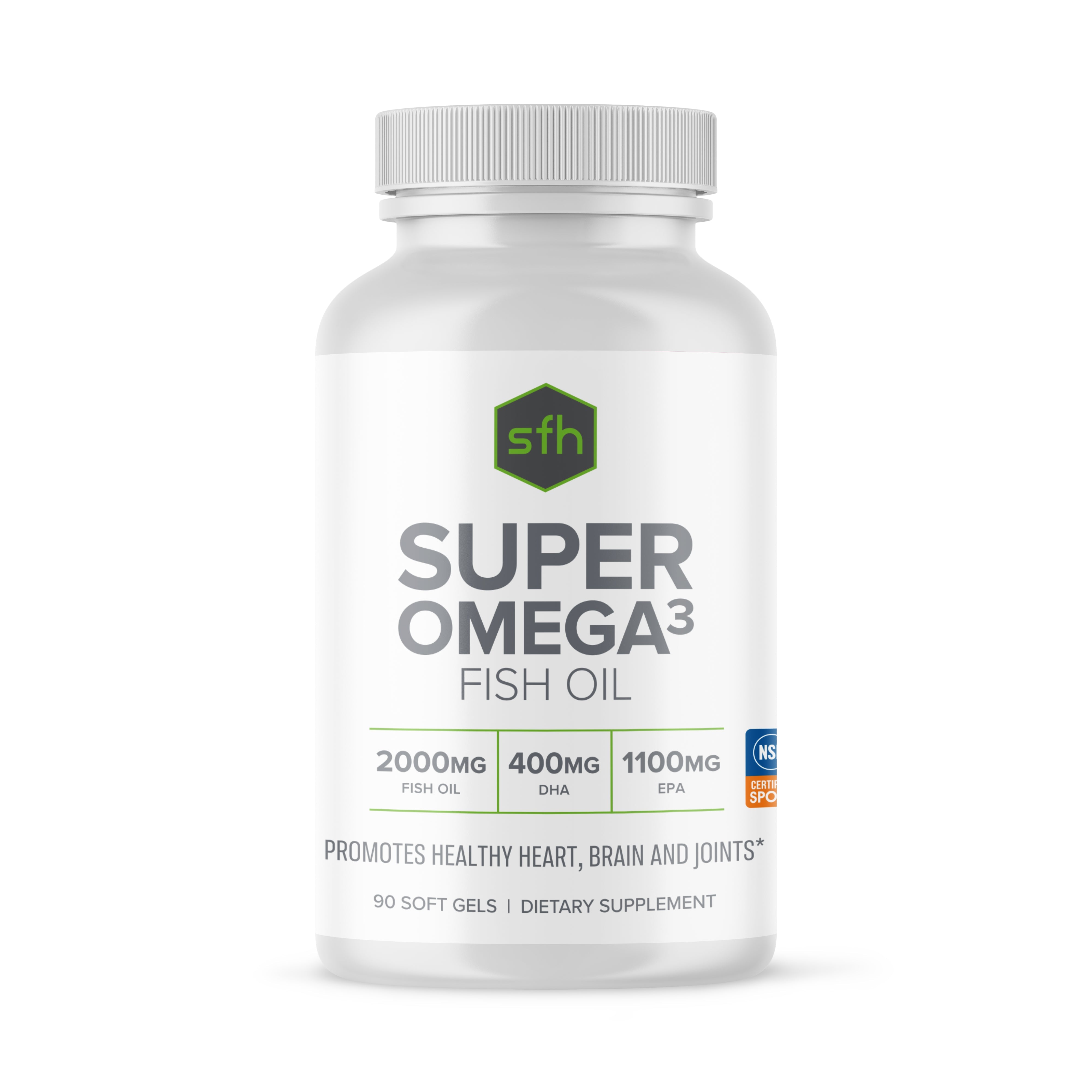
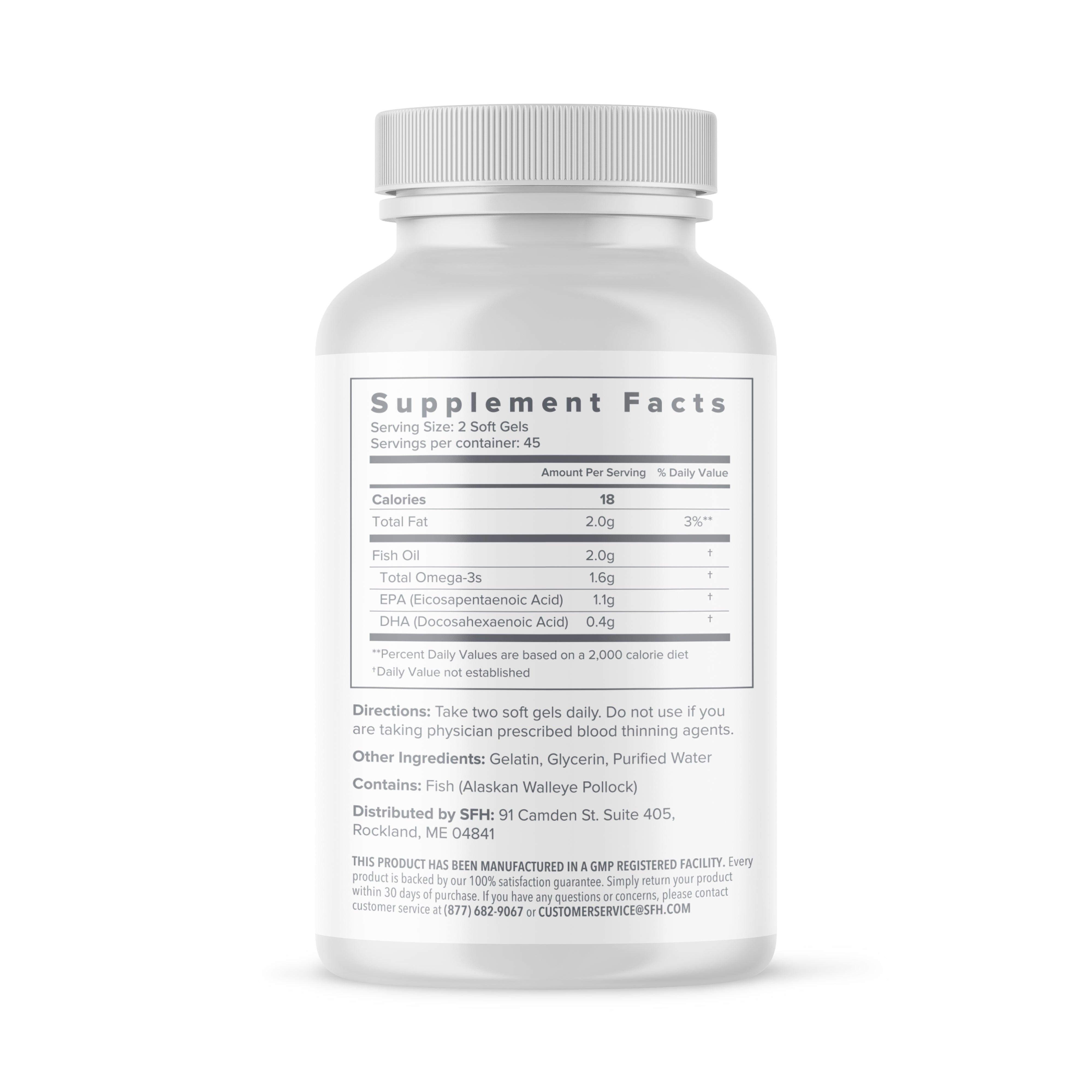
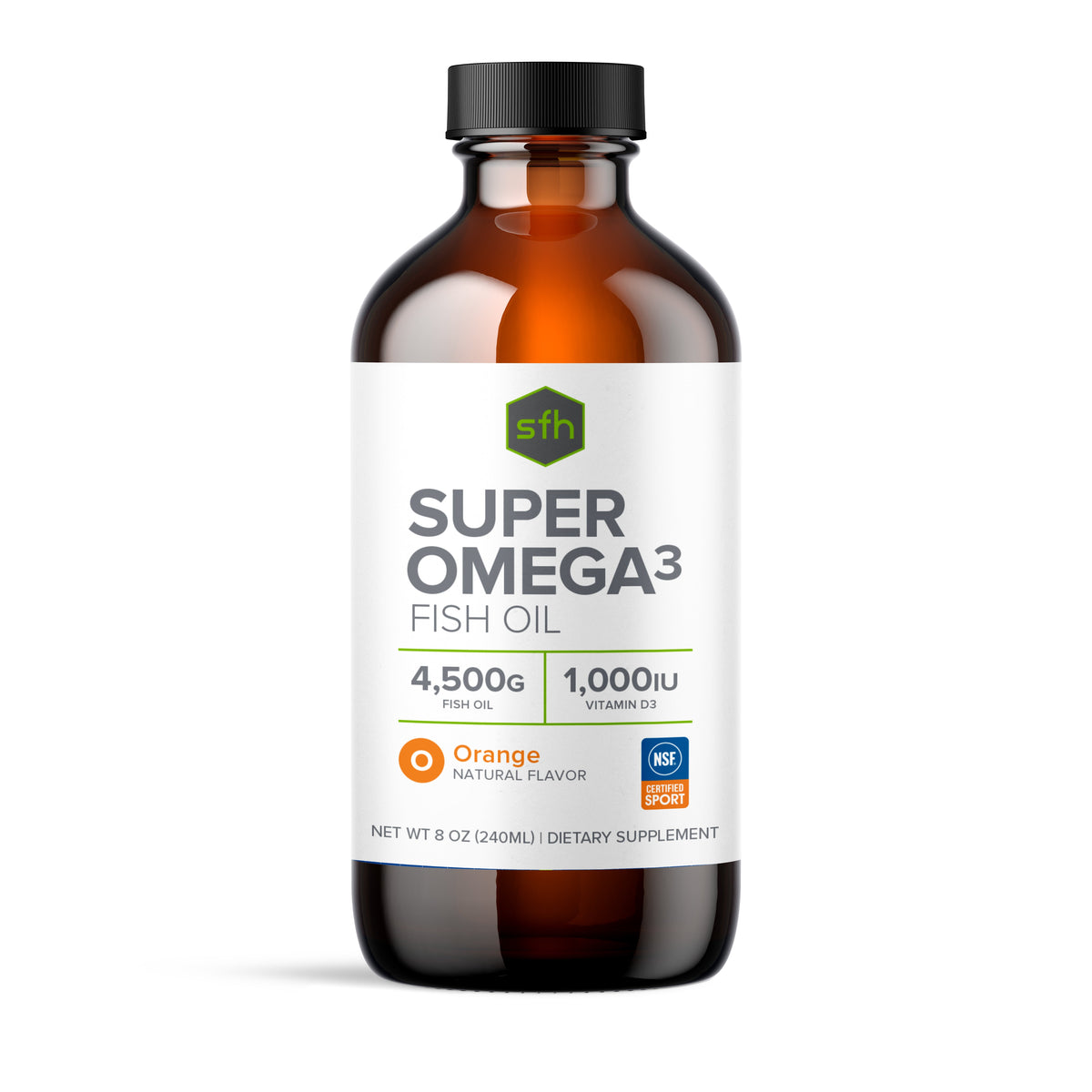
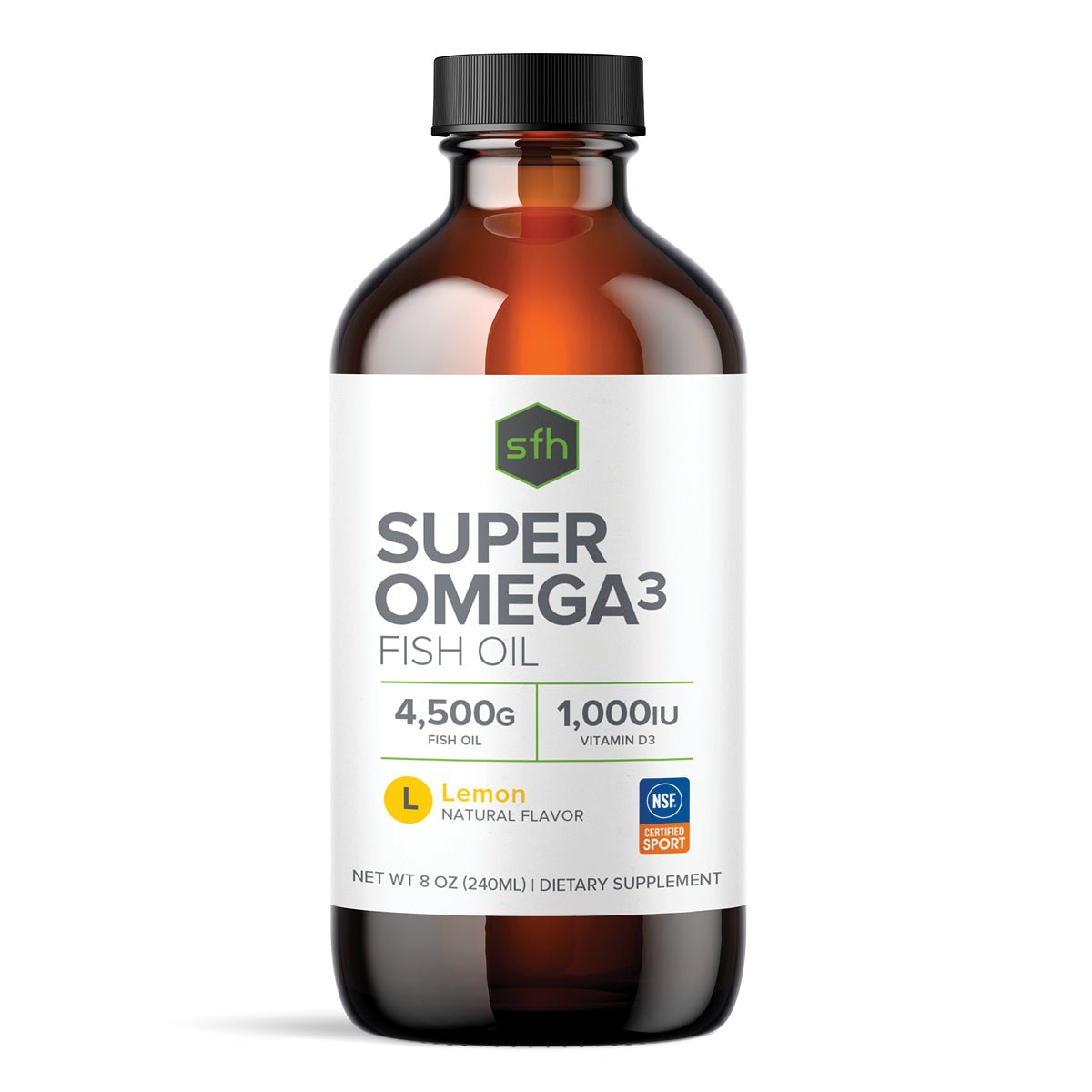
For individuals seeking comprehensive daily support, options such as high-potency fish oil soft gels or formulas that combine omega-3 with Vitamin D3 can provide additional immune and bone health support alongside heart and brain benefits.
How Much Omega-3 Do You Need Daily?
There is no single universal dosage for everyone, but general recommendations suggest:
- At least 250 to 500 milligrams of combined EPA and DHA per day for healthy adults
- Higher amounts may be recommended for specific health concerns under medical supervision
The American Heart Association recommends eating fatty fish at least twice per week, which typically provides this range of EPA and DHA intake.
Because individual needs vary, consulting a healthcare provider is always recommended before starting any supplement regimen.
Why Omega-3 Is Essential for Daily Health
Omega-3 is not just another supplement trend. It is a foundational nutrient that supports multiple systems in the body every single day. From cardiovascular support to cognitive function and inflammation balance, omega-3 contributes to overall wellness in ways that few nutrients can match. Since the body cannot produce it on its own, consistent intake is necessary. Whether through fatty fish or high-quality fish oil supplementation, prioritizing omega 3 intake is a simple yet powerful step toward long-term health.
Frequently Asked Questions
Is fish oil the same as omega-3?
Fish oil is a source of omega-3 fatty acids. It naturally contains EPA and DHA, which are the most beneficial forms of omega-3 for heart and brain health.
Can I get enough omega-3 from plant sources?
Plant sources provide ALA, but the body converts only a small percentage into EPA and DHA. Fatty fish or fish oil supplements are more direct and efficient sources of these active forms.
When is the best time to take fish oil?
Fish oil is typically best absorbed when taken with a meal that contains fat. This helps improve absorption and may reduce digestive discomfort.
Is omega-3 safe for daily use?
For most healthy adults, omega-3 supplementation is considered safe when taken within recommended amounts. Always consult a healthcare professional if you have medical conditions or take prescription medications.
Final Thoughts
Omega-3 plays an essential role in supporting heart health, brain function, joint comfort, eye health, and overall wellness. Because modern diets often fall short in providing adequate EPA and DHA, many individuals benefit from supplementation. Making omega-3 part of your daily health routine is a proactive and science-supported way to care for your body from the inside out. If your goal is consistent, convenient support for long-term wellness, prioritizing high-quality omega-3 intake is one of the smartest nutritional decisions you can make.



Leave a comment
This site is protected by hCaptcha and the hCaptcha Privacy Policy and Terms of Service apply.