
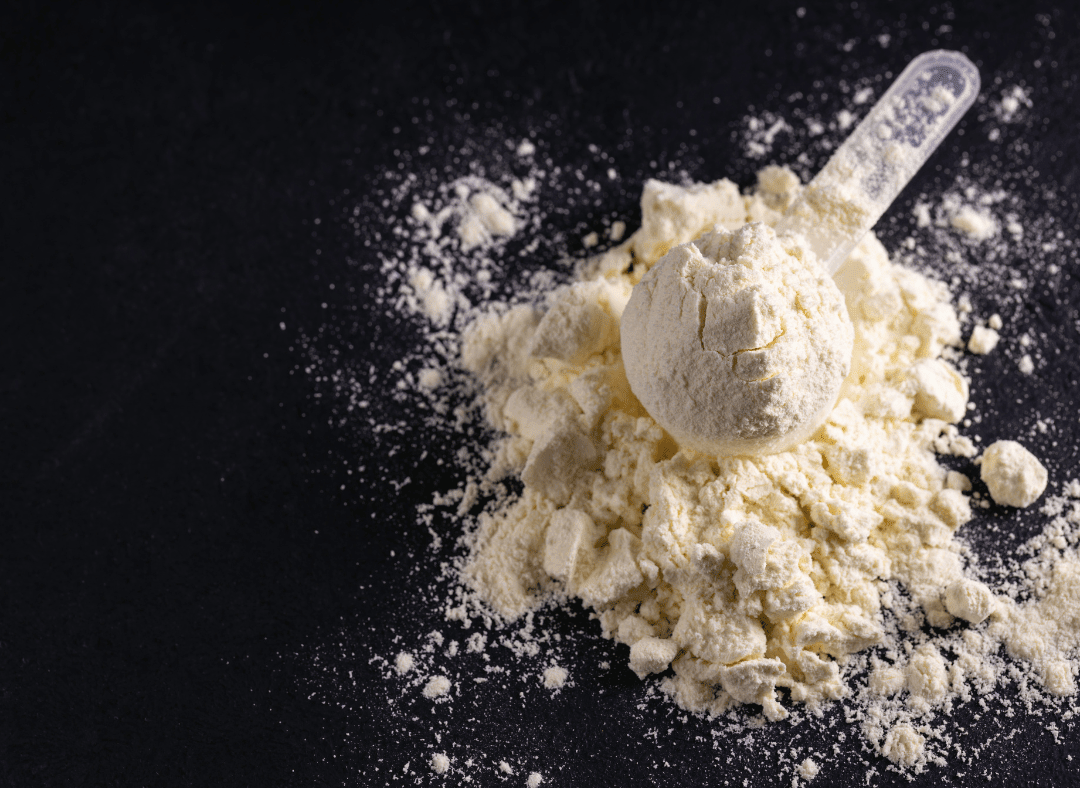
Whey protein is one of the most popular and well-studied protein supplements, and for good reason. It is convenient, mixes easily, and helps people hit daily protein goals for fitness, weight management, and general health. But once you start shopping, you quickly run into a confusing choice: whey concentrate or whey isolate?
They both come from milk. They both provide high-quality protein. Yet they are not identical, and choosing the right one depends on your goals, digestion, budget, and how strict you want your macros to be.
This guide breaks down the real differences in plain English, plus a quick comparison table and simple decision rules so you can pick the best option for you.
What whey concentrate and whey isolate are
Whey is a natural byproduct of cheesemaking. Once the whey liquid is collected, it can be filtered and dried into a powder that is easy to use in shakes and recipes. The main difference between concentrate and isolate is how much additional filtering happens after whey is collected. Whey protein concentrate is less processed, while whey protein isolate goes through extra filtration steps to remove more lactose and fat, leaving a higher percentage of protein. Cleveland Clinic explains that whey concentrate products can vary widely in protein, lactose, and fat, while isolate is more consistently higher in protein with lower lactose.
Neither type is automatically “better.” They simply fit different needs.
How processing changes the nutrition
Think of whey processing like using progressively finer filters. With whey concentrate, filtration removes some non-protein components, but it still keeps more of the naturally occurring lactose and fat. With whey isolate, additional filtration removes more lactose and fat, raising the protein concentration per scoop.
A scientific review published in a medical journal describes whey isolates as typically reaching protein concentrations of 90 percent or higher due to significant removal of fat and lactose during processing.
Practically, this means isolate is often the easiest choice when you want higher protein per calorie, and concentrate often makes sense when you want a slightly “creamier” macro profile.
Whey concentrate vs isolate comparison table
Here is a quick side-by-side view. Exact numbers vary by brand, flavoring, and serving size, but the pattern stays consistent.
|
Feature |
Whey Concentrate |
Whey Isolate |
|
Processing level |
Moderate filtration |
More filtration (higher purity) |
|
Typical protein concentration |
Often around 70 to 80 percent protein |
Often 90 percent protein or higher |
|
Lactose content |
Higher than isolate (varies) |
Lower lactose (often better tolerated) |
|
Fat and carbs |
Usually a bit higher |
Usually lower |
|
Calories per gram of protein |
Slightly higher |
Slightly lower |
|
Taste and texture |
Often creamier |
Often lighter |
|
Price |
Usually lower |
Usually higher |
|
Best fit |
General use, bulking |
Cutting, lactose sensitivity |
The “typical” protein ranges above are commonly referenced in research and clinical explanations, but product labels always win. If you are comparing two tubs, check the nutrition facts and the grams of protein per serving, then compare calories and add
Which one is better for your goal?
For most people, the best whey is the one you will actually use consistently. Both concentrate and isolate can help you reach protein targets. The difference is in efficiency and tolerance.
If your goal is muscle gain: either works. What matters most is total daily protein intake, training, and overall calories. The International Society of Sports Nutrition position stance on protein and exercise emphasizes that meeting overall protein needs is key for exercising individuals (with suggested ranges often higher than the basic RDA, depending on training).
In plain terms, you will not “out-supplement” inconsistent eating. Concentrate can be a smart value choice if it helps you hit protein every day. Isolate can be useful if you want more protein per calorie, especially if you are trying to add lean mass without adding extra calories.
If your goal is fat loss or a leaner diet: isolate often has the edge. It typically offers more protein with fewer calories from fat and carbs. It is not magic, but it makes macro tracking easier.
If your goal is general health and convenience: concentrate is often enough. Many people simply need a reliable way to get more protein at breakfast, after workouts, or in the afternoon so they do not rely on snack foods.
If your goal is performance with sensitive digestion: isolate is frequently better tolerated because it tends to contain less lactose. That does not mean it is lactose free in every case, but it is often lower.
Lactose intolerance, milk allergy, and digestion
This part matters, because people mix up lactose intolerance and milk allergy all the time.
Lactose intolerance is a digestive issue caused by difficulty breaking down lactose, the natural sugar in milk. It can cause uncomfortable symptoms, but it is different from a milk allergy. The National Institute of Diabetes and Digestive and Kidney Diseases (NIDDK) clearly explains that lactose intolerance is different from a milk allergy, which is an immune system reaction.
If you are lactose intolerant, whey isolate is often a better first try because it usually contains less lactose. If you have a true milk allergy, you should avoid whey protein unless your healthcare professional confirms it is appropriate.
Also, some digestive issues come from added ingredients, not the whey type. Sugar alcohols, gums, and very sweet flavors can bother some people. If a protein powder makes you feel off, try a simpler ingredient list or a different flavor, and consider speaking with a clinician if symptoms persist.
How to choose the right whey for you
Here are practical rules that work for a mixed audience:
- Choose whey isolate if you want the cleanest macros. If you care about higher protein per calorie, lower lactose, and a tighter nutrition profile, isolate usually fits best.
- Choose whey concentrate if you want value and flexibility. If you tolerate dairy well and want a cost effective protein you will use daily, concentrate is often the better buy.
- Read the label like a skeptic. Compare protein grams, calories, and ingredients. Also note that protein labeling rules can be complex, and the FDA has guidance around nutrition labeling and daily values.
- Choose based on your routine, not hype. If you prefer creamy shakes, concentrate or blends often feel better. If you want something lighter, isolate often mixes thinner.
- Consider your total protein day, not one scoop. A good product is the one that fits your diet across the week.
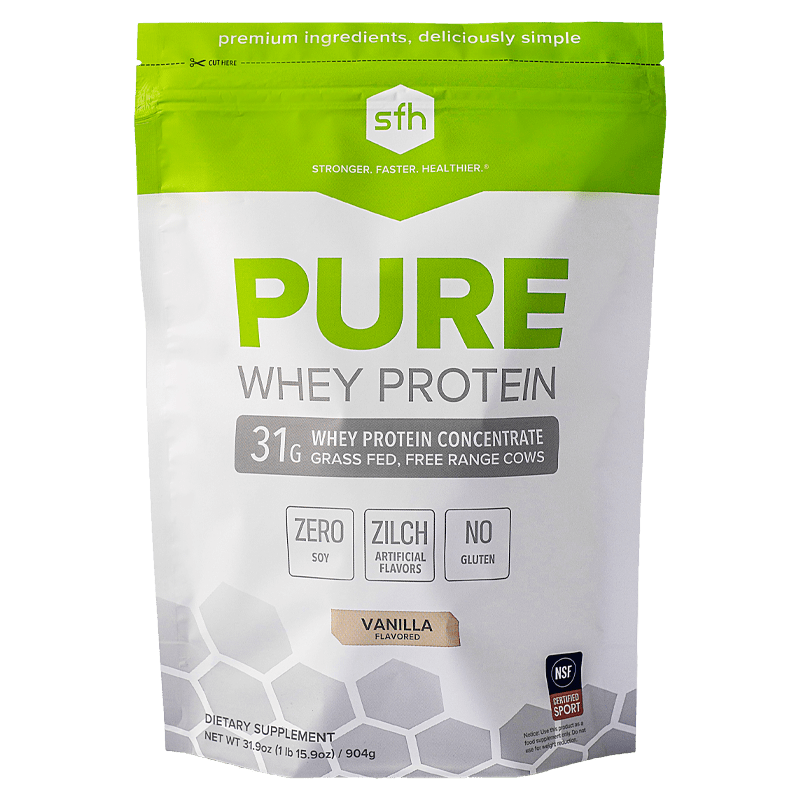
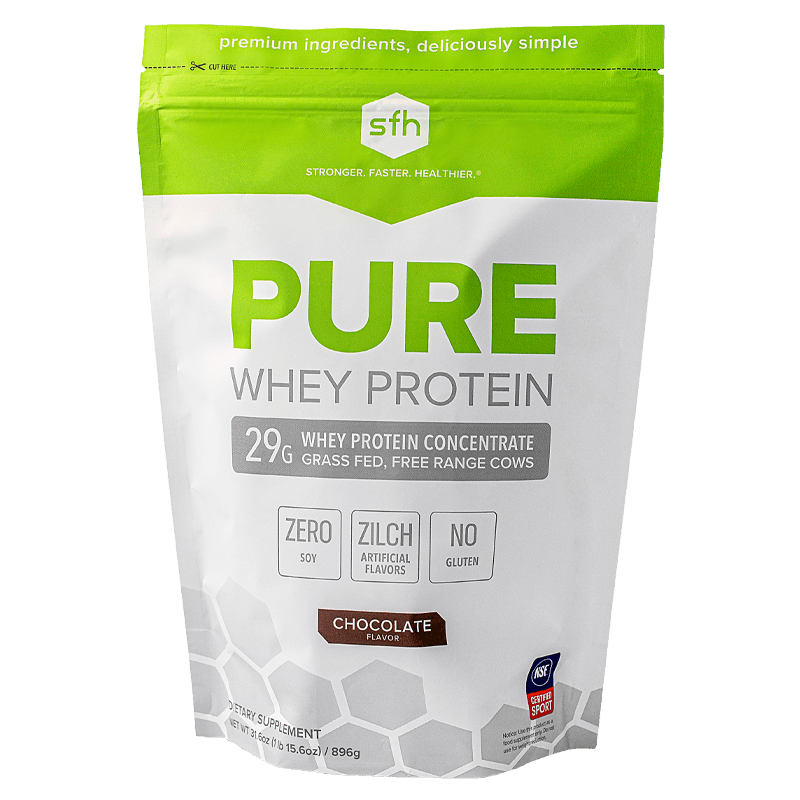
For a supplement store, a smart way to guide customers is to position whey as a category with options for different needs, such as everyday whey for general use, “fuel” style whey for training days, and recovery-focused whey for post-workout routines. The key is helping people pick something they can stick with.
FAQ
What is the main difference between whey concentrate and isolate?
Whey isolate is typically more filtered, so it usually has a higher percentage of protein and lower lactose and fat compared with whey concentrate.
Is whey isolate better for lactose intolerance?
Often yes, because it usually contains less lactose. However, sensitivity varies, and some people still react to small amounts. For clear guidance on lactose intolerance basics and how it differs from allergy, see NIDDK.
Which one is better for weight loss?
Whey isolate can make it easier to keep calories lower while still hitting protein goals, since it typically has fewer calories from fat and carbs.
Is whey isolate worth the extra cost?
If you are cutting calories, tracking macros tightly, or have lactose sensitivity, isolate can be worth it. If you tolerate dairy well and want the best value, concentrate may be the smarter everyday option.
Conclusion
Whey concentrate and whey isolate are both high quality protein options, and both can support fitness and health goals when used consistently. The real differences come down to processing, macro precision, lactose content, and price.
If you want higher protein per calorie and typically lower lactose, whey isolate is often the cleanest choice. If you want a reliable protein that still performs well for most goals, whey concentrate can be a great daily staple.
The best strategy is simple: pick the type you will use consistently, confirm it matches your digestion and nutrition needs, and build your results around total daily protein, training, and a routine you can maintain.



Leave a comment
This site is protected by hCaptcha and the hCaptcha Privacy Policy and Terms of Service apply.