
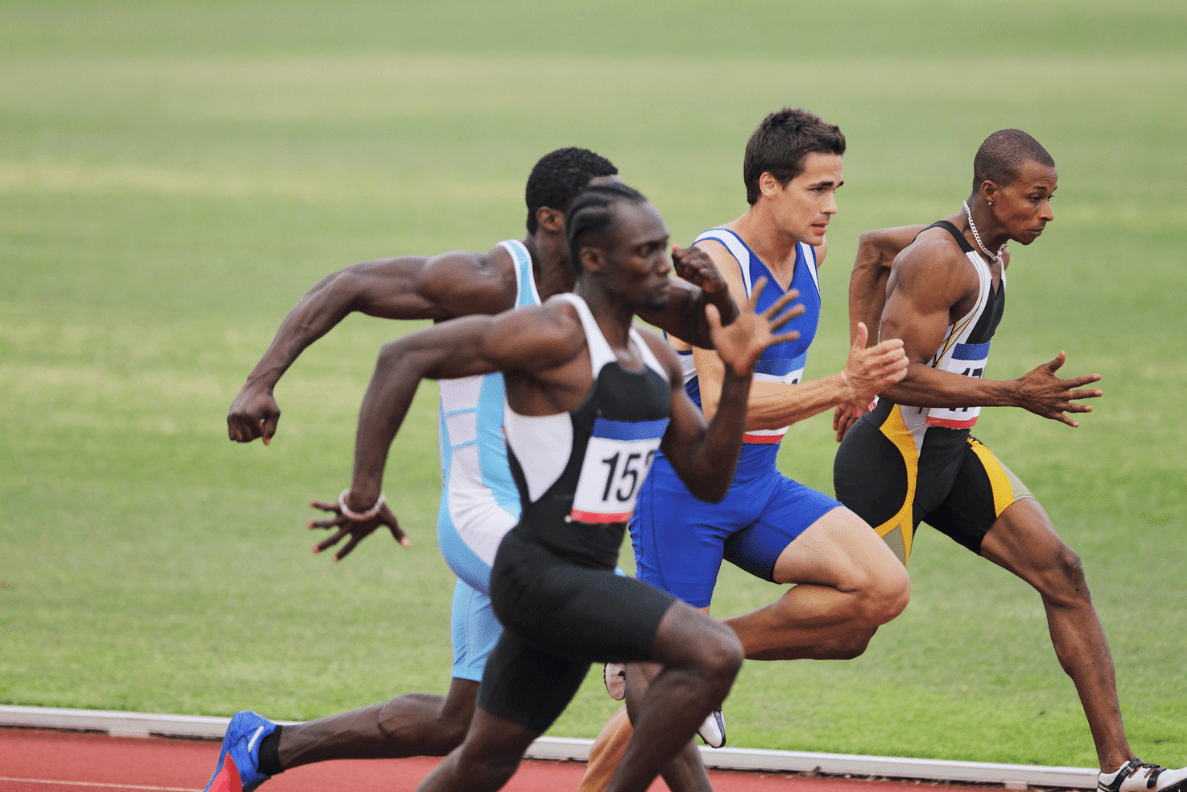
Most people think athletes use creatine for one reason only: to get stronger. That is true, but it is not the whole story. The more interesting reason may be what happens after the workout ends. In real training, the challenge is not just producing one great effort. It is recovering well enough to produce another one without a sharp drop in quality. That is where creatine becomes far more relevant.
Creatine has been around for years, which makes some people assume there is nothing new to say about it. But that misses the real question. Athletes keep coming back to creatine not just for muscle size or gym numbers, but because it may help them maintain power, repeat intense efforts, and return to training with less drop off. That is the part worth understanding.
What Is Creatine?
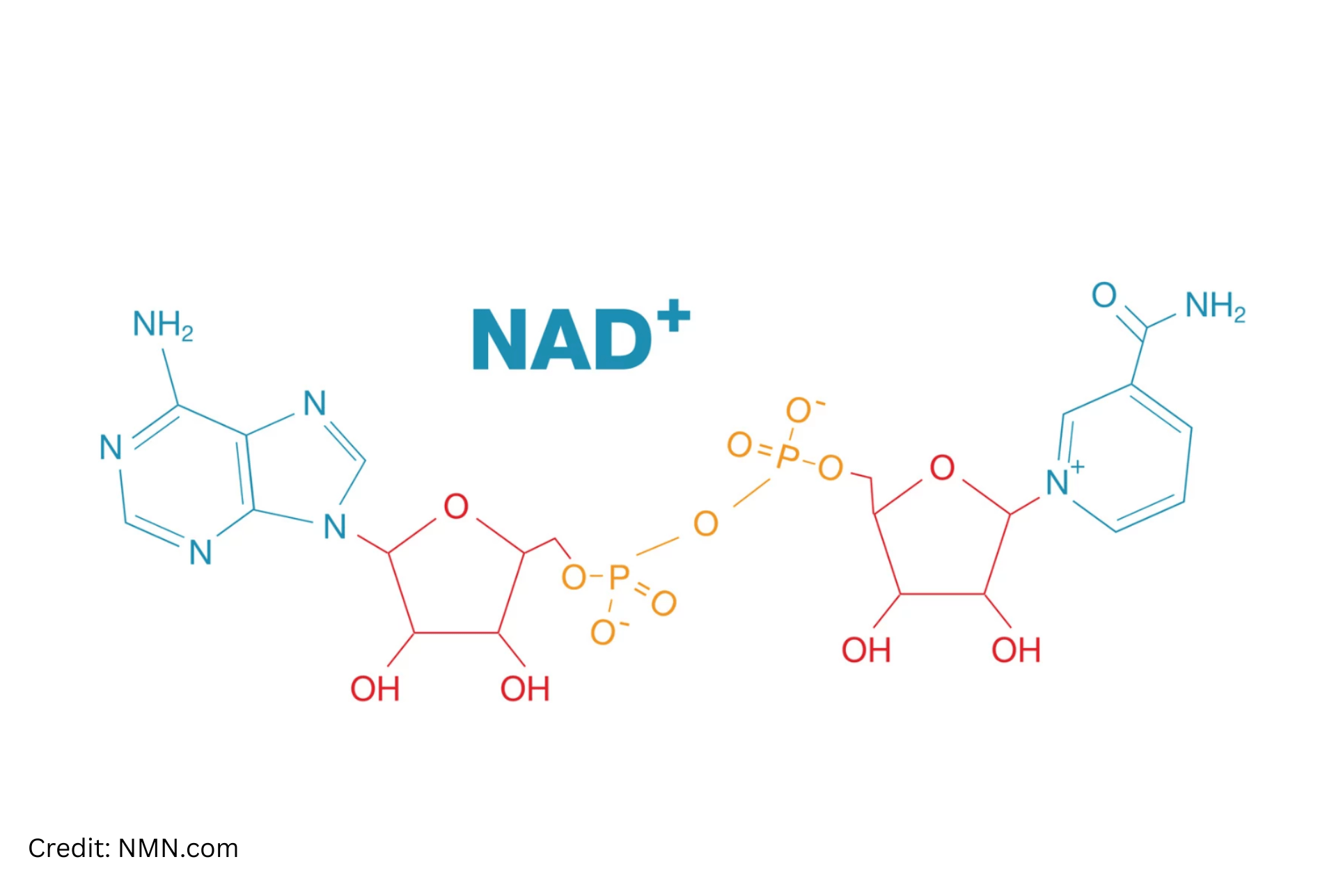
Creatine is a naturally occurring compound stored mostly in skeletal muscle. Its main role is to help regenerate ATP, the quick energy your body uses during short, intense efforts like sprinting, jumping, lifting, and accelerating. When ATP drops, performance usually drops with it. Creatine helps restore that energy faster through the phosphocreatine system, which is why it is closely tied to explosive training and sport performance. The Australian Institute of Sport notes that creatine supplementation improves performance in brief, high intensity exercise, especially when there are repeated bouts.
That matters because recovery is not just about how an athlete feels. It is also about what the athlete can do next. If someone can hit the next set with more force, sprint again with less decline, or handle the next practice with better output, that recovery has real value. Creatine fits into that picture because many sports are not won by one burst of effort.
Does Creatine Help Muscle Recovery?
Creatine may help muscle recovery, but not always in the way people expect. Many gym goers think recovery means one thing only: less soreness the next day. That can matter, but for athletes, recovery is broader. It includes restoring force production, maintaining output between repeated efforts, and staying ready for the next demanding session.
Research suggests creatine may support recovery in several ways. It can help replenish the energy system used during repeated high intensity exercise. It may also influence markers associated with muscle damage and inflammation in some situations. A 2021 review in Nutrients discusses creatine’s role in recovery from exercise, including potential effects on muscle damage, inflammation, glycogen restoration, and repeated performance capacity.
The key point is that feeling less sore is not always the same as being more recovered. An athlete may still feel some soreness and yet perform much better in the next session because the underlying energy systems are better supported. That is one reason creatine remains popular in serious training environments.
How Creatine Works: ATP, Phosphocreatine, and Training Recovery
The science sounds technical, but the basic idea is simple. Muscles rely on ATP for immediate energy. During short, intense activity, ATP gets used quickly. Phosphocreatine helps regenerate ATP so the muscle can keep producing force. Supplementing with creatine increases muscle creatine and phosphocreatine stores, which can improve the body’s ability to repeat high intensity efforts. NIH’s Office of Dietary Supplements says evidence is strongest for short duration, high intensity exercise and activities involving repeated bouts of exercise.
That has a direct link to recovery. In many sports, fatigue shows up as a loss of repeatability. The first sprint looks great. The fourth one does not. The first set moves fast. The later sets slow down. If creatine helps maintain output across repeated efforts, it is supporting recovery inside the session as well as between sessions.
Why Athletes Use Creatine
Athletes use creatine because sport rarely rewards one isolated effort. It rewards repeat effort. A football player accelerates again and again. A sprinter handles multiple hard sessions in a training week. A weightlifter tries to keep bar speed high across sets. A fighter must stay explosive while fatigue builds. In each case, the issue is not just power. It is how well power survives repeated demand.
That is also why creatine has outlasted trendier supplements. The International Society of Sports Nutrition has stated that creatine monohydrate is the most effective ergogenic nutritional supplement currently available for increasing high intensity exercise capacity and lean body mass during training.
There is also a practical side to this. Survey based research summarized by the International Society of Sports Nutrition reported creatine use rates of roughly 15 to 40 percent among athletes and military personnel, depending on the population studied.
Athletes and coaches value tools that are simple and repeatable. Creatine monohydrate is not exciting, but that is part of its charm.
Creatine Monohydrate vs Other Forms
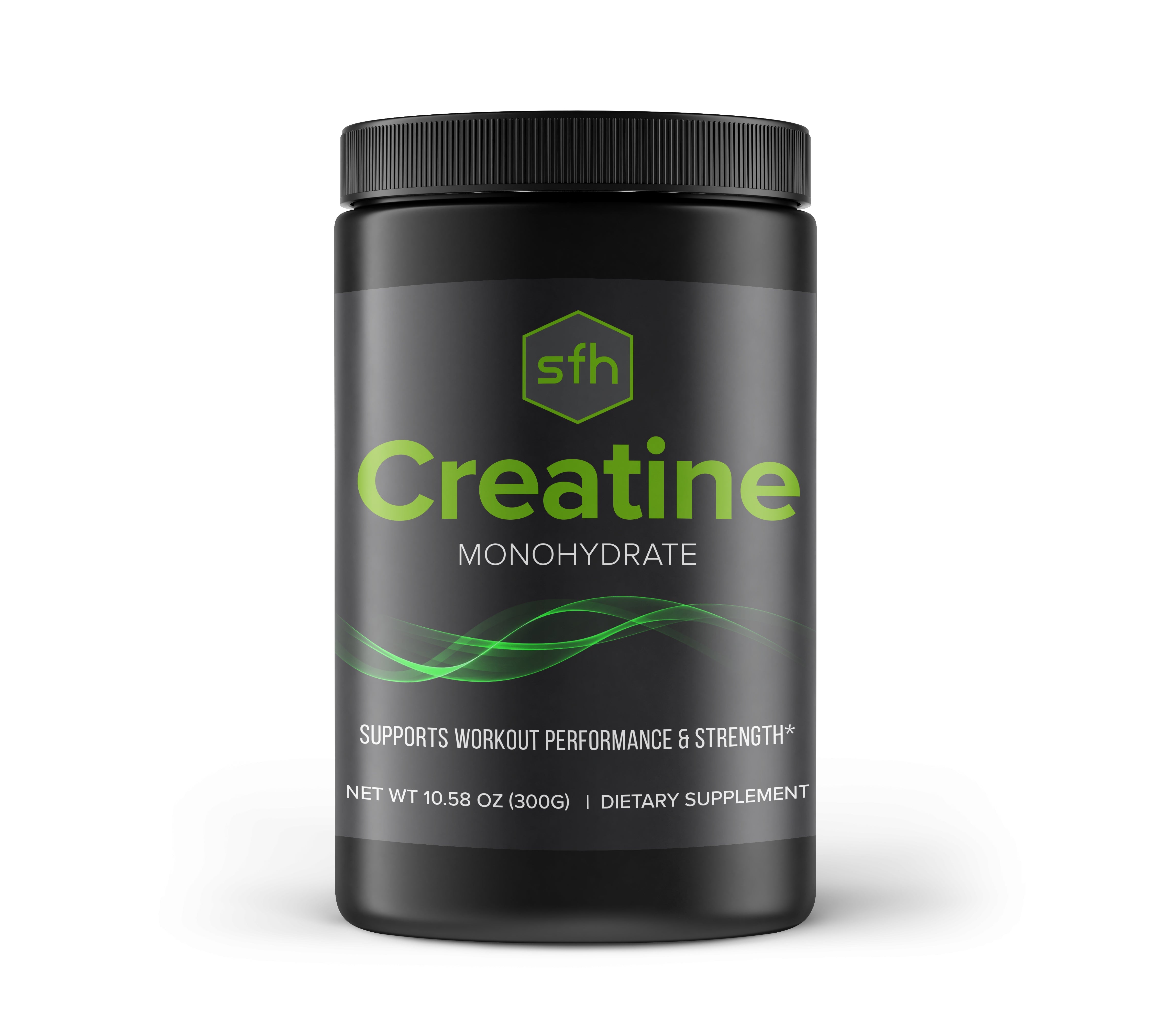
There are many forms of creatine on the market, each packaged as if it has unlocked some secret advantage. The most important thing to know is simple: creatine monohydrate is the form with the strongest evidence behind it.
The Australian Institute of Sport places creatine monohydrate in its Group A supplement category, meaning it has specific evidence based uses in sport.
For most athletes, that makes the choice easy. The goal is not to buy the most futuristic sounding label. The goal is to use the form that has been studied properly and shown to work.
When to Take Creatine for Recovery
Timing gets a lot of attention, but it is usually not the most important variable. What matters most is consistency. Athletes typically benefit from taking creatine daily so muscle stores stay elevated over time.
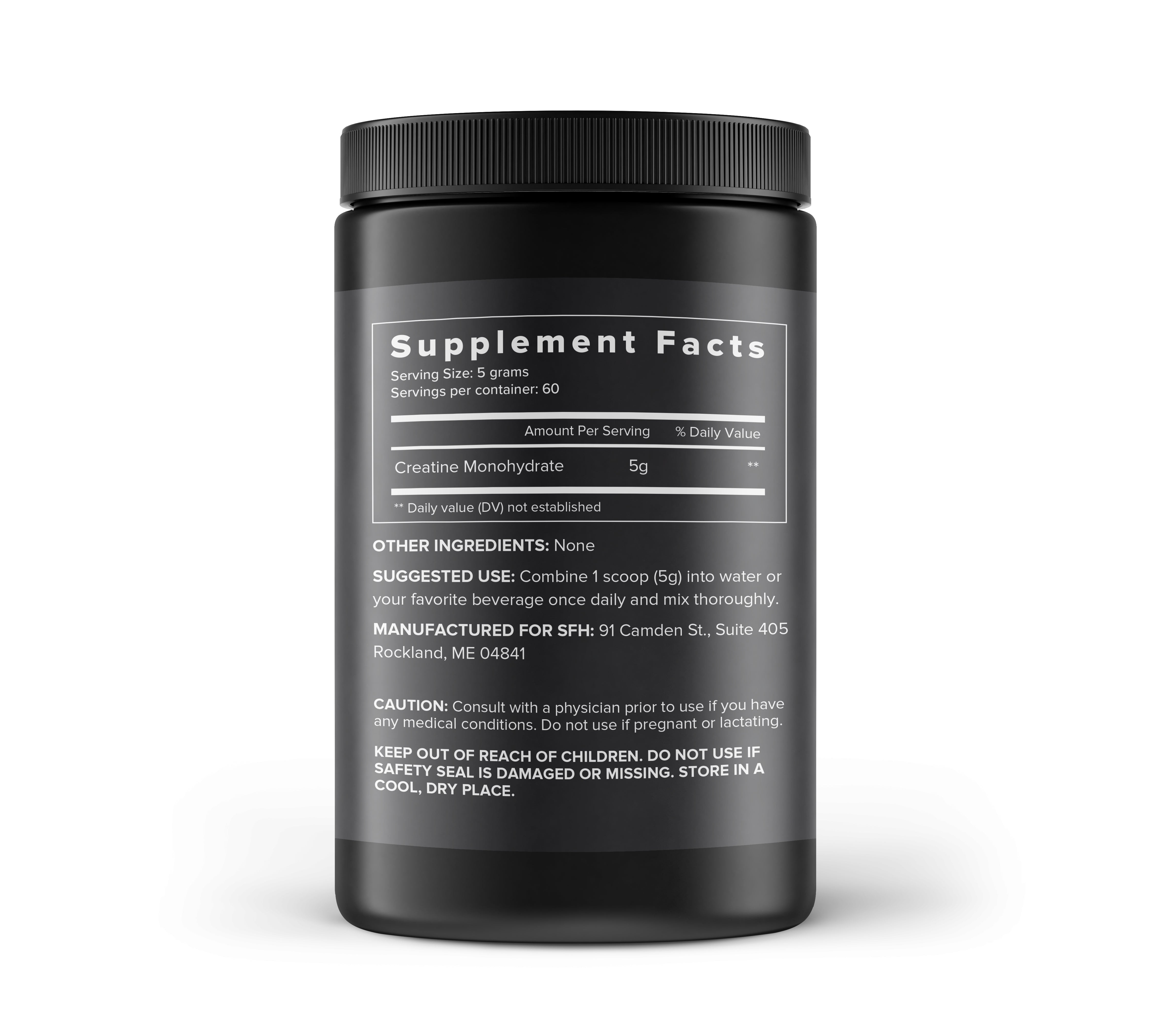
Some athletes use a loading phase followed by a maintenance phase. Others simply take a smaller daily dose consistently. The Australian Institute of Sport describes typical protocols such as about 20 grams per day for 5 to 7 days during a loading phase, followed by about 3 to 5 grams per day for maintenance, though protocols can vary by body size and training context.
The bigger point is that creatine works through saturation. It is not a one time pre workout trick. It is more like filling a tank than flipping a switch.
Is Creatine Safe for Athletes?
For healthy adults, creatine is generally considered one of the most studied sports supplements available. That does not mean every product deserves blind trust, but it does mean the ingredient itself has a stronger research base than many supplements sold as performance essentials. NIH continues to describe creatine as helpful for repeated, high intensity activity.
Athletes in tested sport still need to care about product quality. USADA says creatine is not prohibited in sport, while also warning that dietary supplements can carry risks such as contamination or inaccurate labels.
FAQ
Does creatine help muscle soreness?
It may help with some aspects of recovery, but its strongest case is not simply reducing soreness. The bigger benefit is supporting repeated high intensity performance and helping athletes recover output between hard efforts.
Do athletes need a creatine loading phase?
Not always. A loading phase can raise muscle creatine stores faster, but many athletes also do well with a steady daily intake. The main thing is consistency.
Is creatine banned in sports?
No. USADA says creatine is not prohibited in sport. The bigger concern for tested athletes is product quality and contamination risk.
Who benefits most from creatine?
Athletes in strength, power, sprint, combat, and team sports often benefit the most because their performance depends heavily on repeated bursts of high intensity effort. Endurance athletes may also benefit in events that include surges or finishing kicks.
Final Verdict: Why Athletes Keep Coming Back to Creatine
Creatine is popular for a reason, but the real reason is often explained badly. Yes, it can support strength and power. Yes, it can help improve high-intensity performance. But the more interesting reason athletes keep using it is that it may help them recover in the way that matters most in real sport: by coming back for the next hard effort with less drop off.
That does not mean creatine is magic. It does not erase fatigue, replace sleep, or rescue a poor training plan. What it can do is support the energy system behind repeated explosive effort, which is exactly what many athletes need most. Athletes do not use creatine just to perform hard once. They use it because the next effort matters too over time.



Leave a comment
This site is protected by hCaptcha and the hCaptcha Privacy Policy and Terms of Service apply.